Bakken Rig Count Stabilizes at 26 Amid Moderate Oil Price Gains
North Dakota's active drilling fleet holds steady as crude prices provide marginal incentive for production growth.
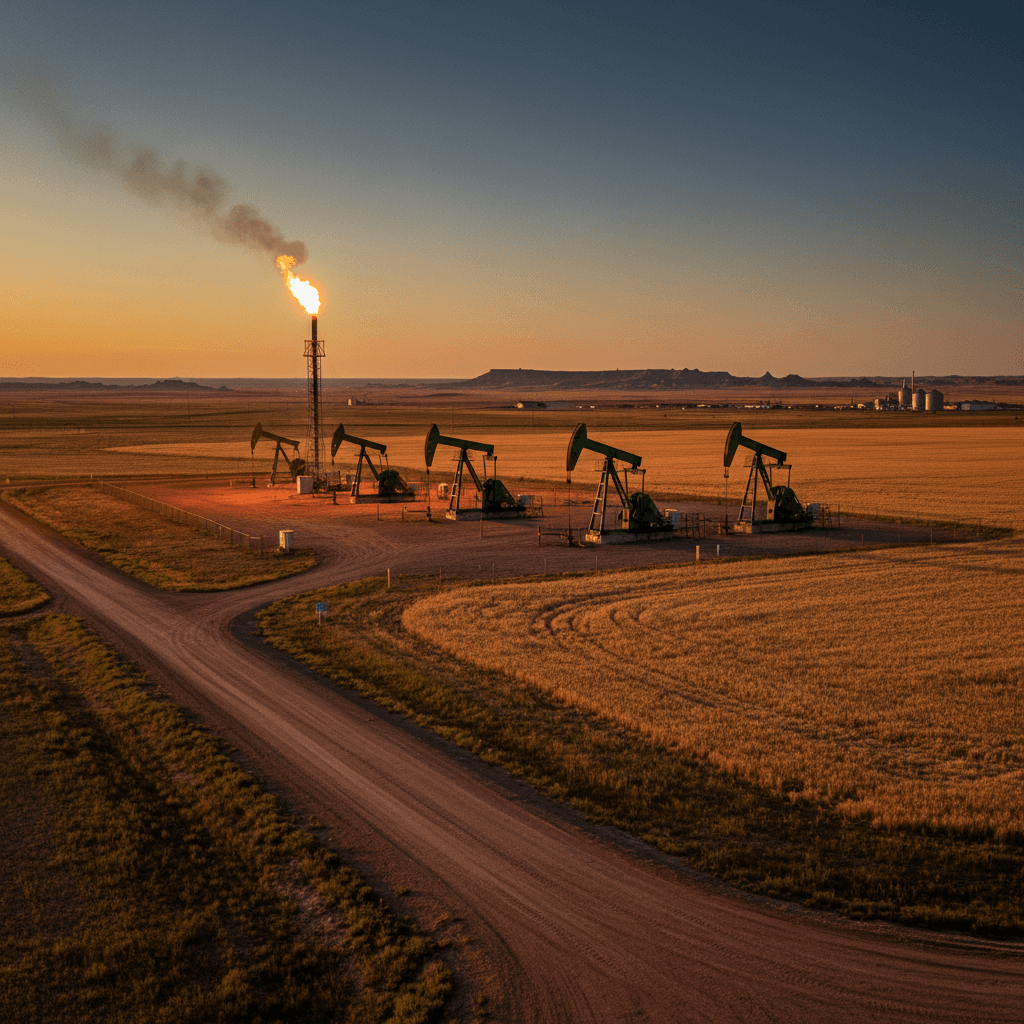
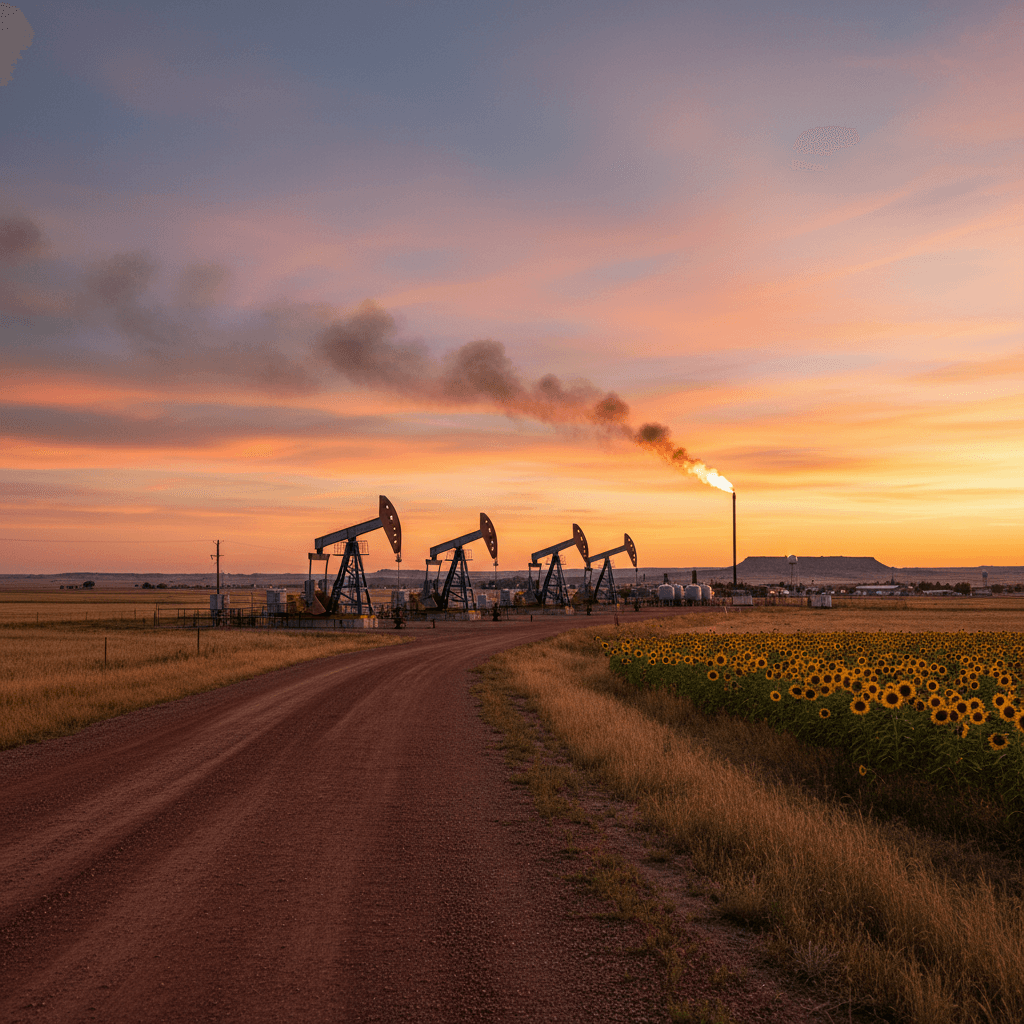
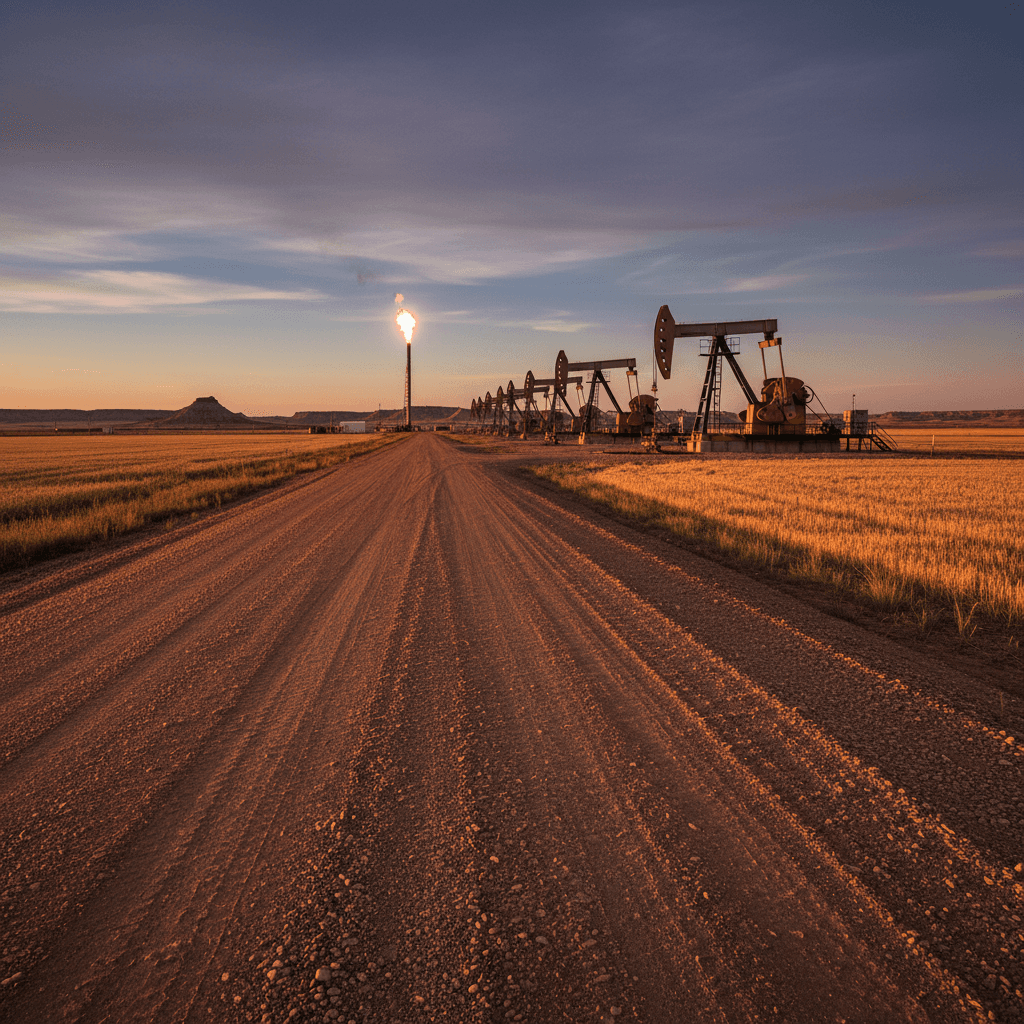
North Dakota's active drilling rig count remained at 26 on Saturday, June 20, 2026, as the state's oil industry operates in a moderate price environment. The current fleet suggests a stabilized level of near-term development activity in the Bakken formation.
West Texas Intermediate (WTI) crude traded at $76.54, posting a gain of $0.69 for the day. The international benchmark Brent crude was at $80.59. The Bakken crude differential, representing the discount for Bakken oil compared to WTI, was -$3.42. Natural gas prices were reported at $3.2 per million British thermal units (MMBtu).
The rig count is a primary indicator of future oil production, as new wells must be drilled to offset the natural decline of existing wells. Historically, a sustained increase in the rig count correlates with rising production months later, while a falling count signals a looming production downturn. The current count of 26 rigs represents a baseline level of activity required to maintain, but not significantly grow, North Dakota's output from the Williston Basin.
The modest daily gains in oil prices, while positive, provide only a marginal economic incentive for operators to accelerate drilling programs. Prices above $80 WTI have historically triggered more aggressive expansion in the Bakken. The current price level, coupled with the persistent Bakken discount, likely supports maintenance of existing development plans rather than a surge in new rig deployments.
For Bakken operators and royalty owners, the stable rig count indicates that production volumes are likely to remain flat in the coming quarters barring a significant change in commodity prices or operational efficiency. The focus for many companies will be on optimizing production from existing wells and carefully selecting new drill sites within current capital budgets.
The broader context for North Dakota is that oil production remains the state's dominant economic driver. The activity level implied by 26 rigs continues to support thousands of direct and indirect jobs across the region, though at a pace slower than during previous boom cycles when rig counts exceeded 100.
Market observers will monitor whether the current price trajectory can support a gradual increase in the rig count, or if external factors such as global demand or pipeline capacity will constrain Bakken growth potential in the near term.
Source
Bakken Wire Live Data, June 20, 2026