Bakken Rig Count Stable at 25 as Oil Prices Rally
High WTI and Brent prices provide favorable backdrop for North Dakota production, but low rig activity suggests focus on efficiency.
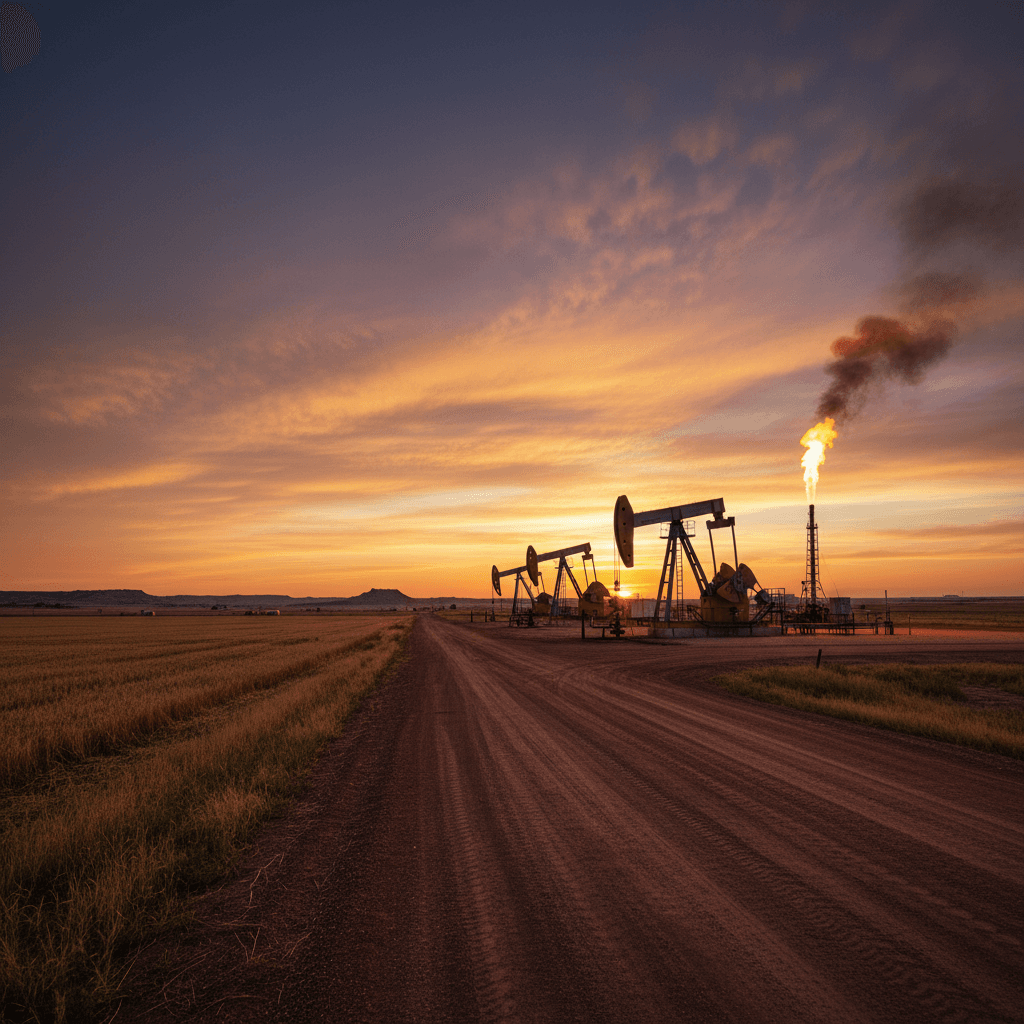
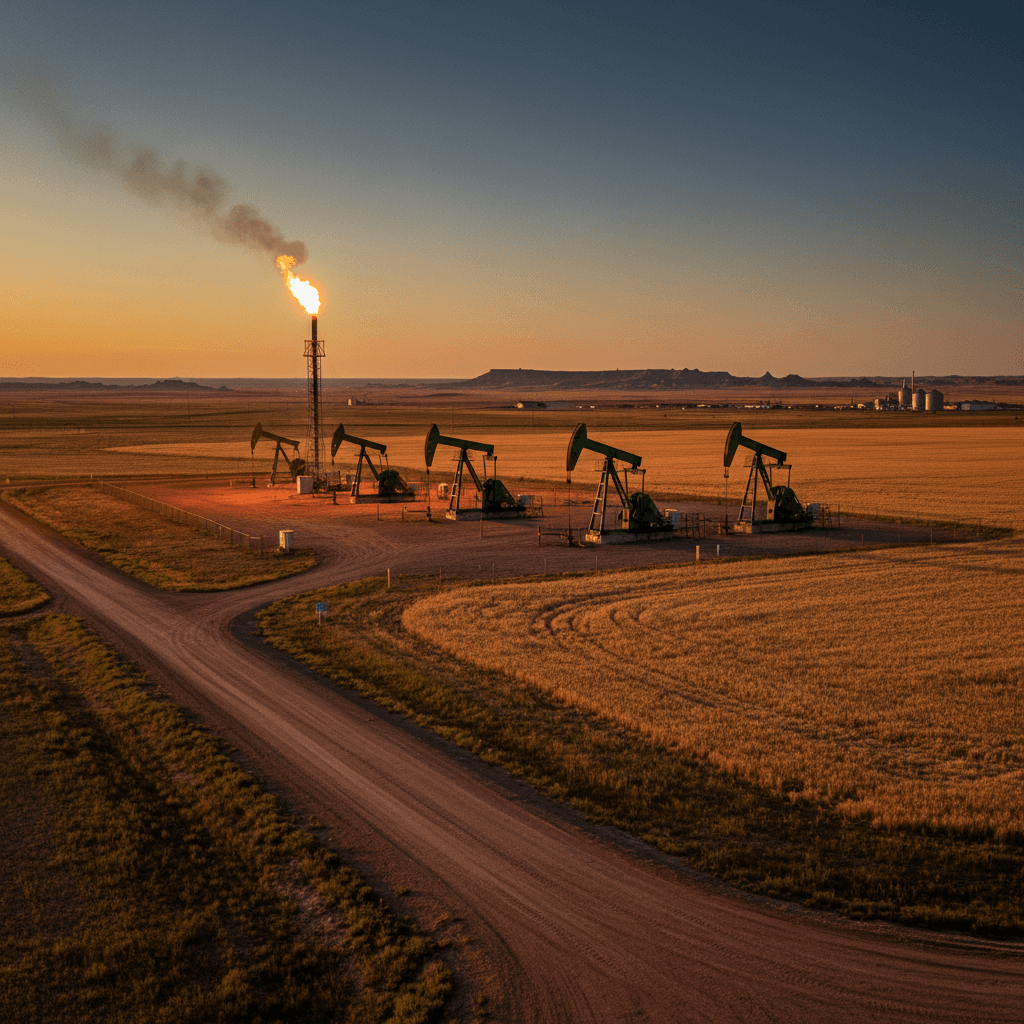
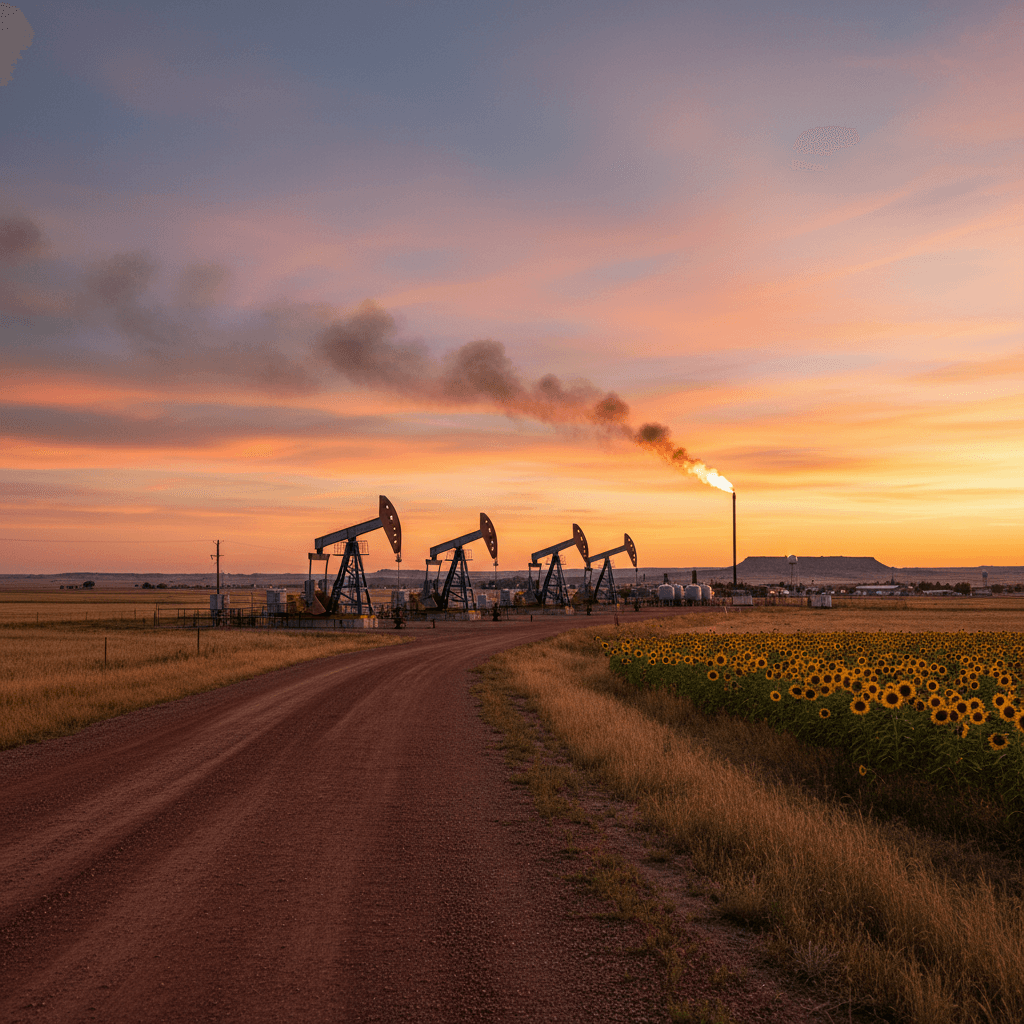
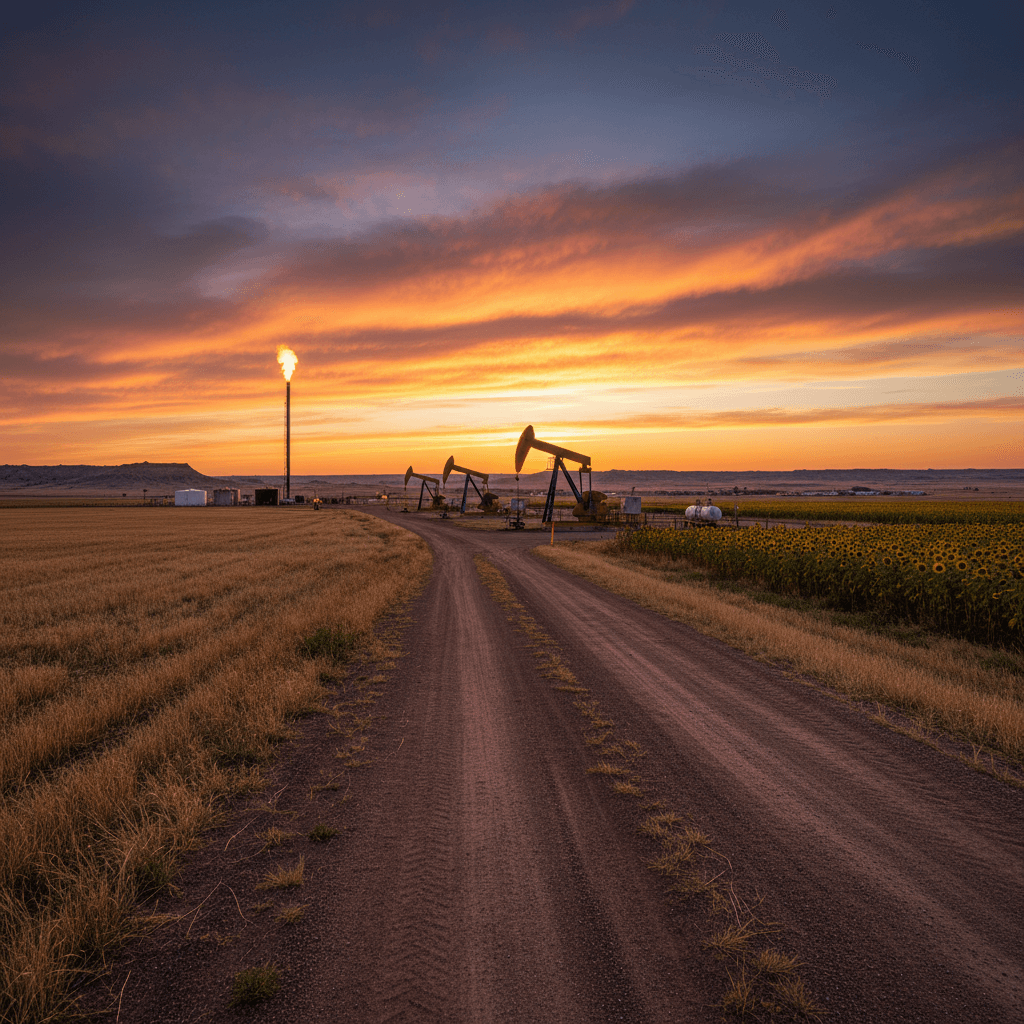
North Dakota's active drilling rig count held steady at 25 on Thursday, May 21, 2026, as benchmark oil prices posted significant gains, according to live Bakken Wire data. West Texas Intermediate (WTI) crude rose $1.87 to settle at $100.13 per barrel, while Brent crude increased $1.50 to $106.52.
The current price environment, with WTI above $100, is historically favorable for Bakken shale economics. However, the rig count of 25 remains near the lower end of its historical range for the state. The Bakken differential—the discount for Bakken crude compared to WTI—was reported at -$3.42.
A stable or low rig count in a high-price environment typically signals that operators are prioritizing capital discipline and efficiency over aggressive drilling expansion. Companies are likely focusing on completing wells from existing drilled but uncompleted (DUC) inventories and maximizing production from their most productive assets.
Historically, the rig count is a leading indicator for future production trends. A sustained increase in active rigs usually forecasts a rise in oil output several months later, as new wells are drilled, completed, and brought online. Conversely, a flat or declining count suggests production growth may plateau or decline unless significant gains in well productivity are achieved.
The current combination of strong prices and a modest number of active rigs points to a near-term outlook for steady, but not rapidly accelerating, Bakken production. Operators have the revenue incentive to maintain output, but are demonstrating restraint in new drilling commitments.
For royalty owners and service companies in the Williston Basin, the high commodity prices directly boost revenue and cash flow. The natural gas price, reported at $3.19, also contributes to well economics. The focus on efficiency, however, may continue to limit the expansion of drilling and well service activity across the region.
The Bakken formation remains North Dakota's primary oil-producing region, and its output is sensitive to both operator strategy and global price signals. The midday data suggests the industry is capitalizing on current price strength while managing capital expenditure levels.
Source
Bakken Wire Live Data, May 21, 2026