Bakken Rig Count Stalls at 30 as Oil Prices Dip
Current pricing and activity levels suggest a cautious outlook for near-term North Dakota production growth.
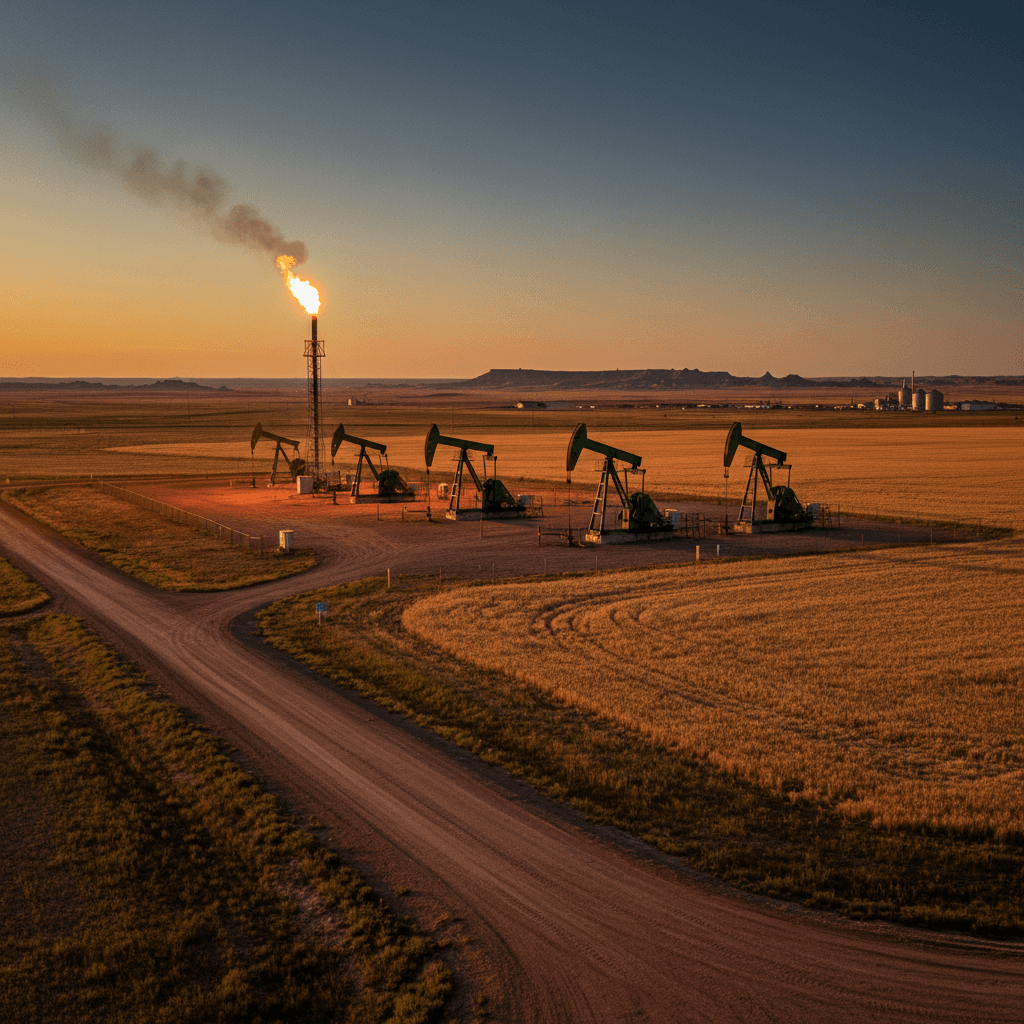
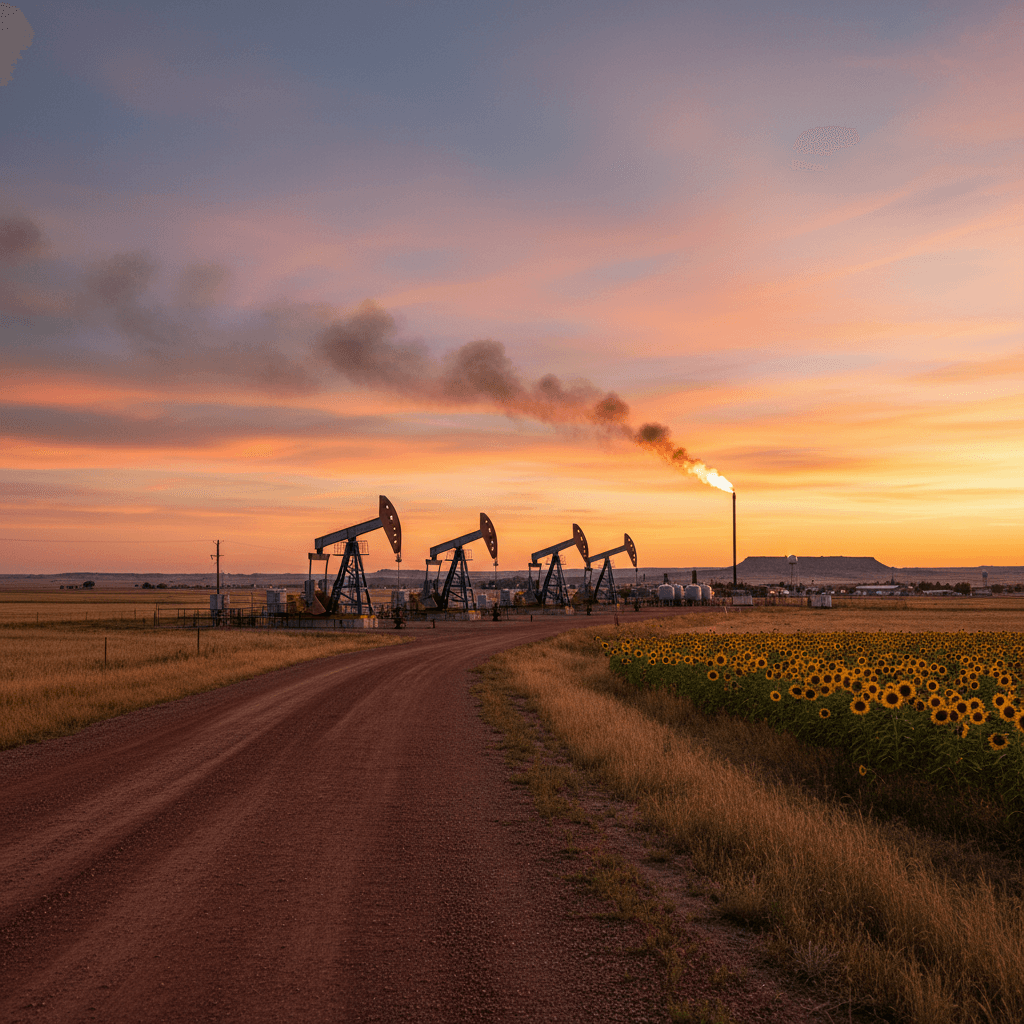
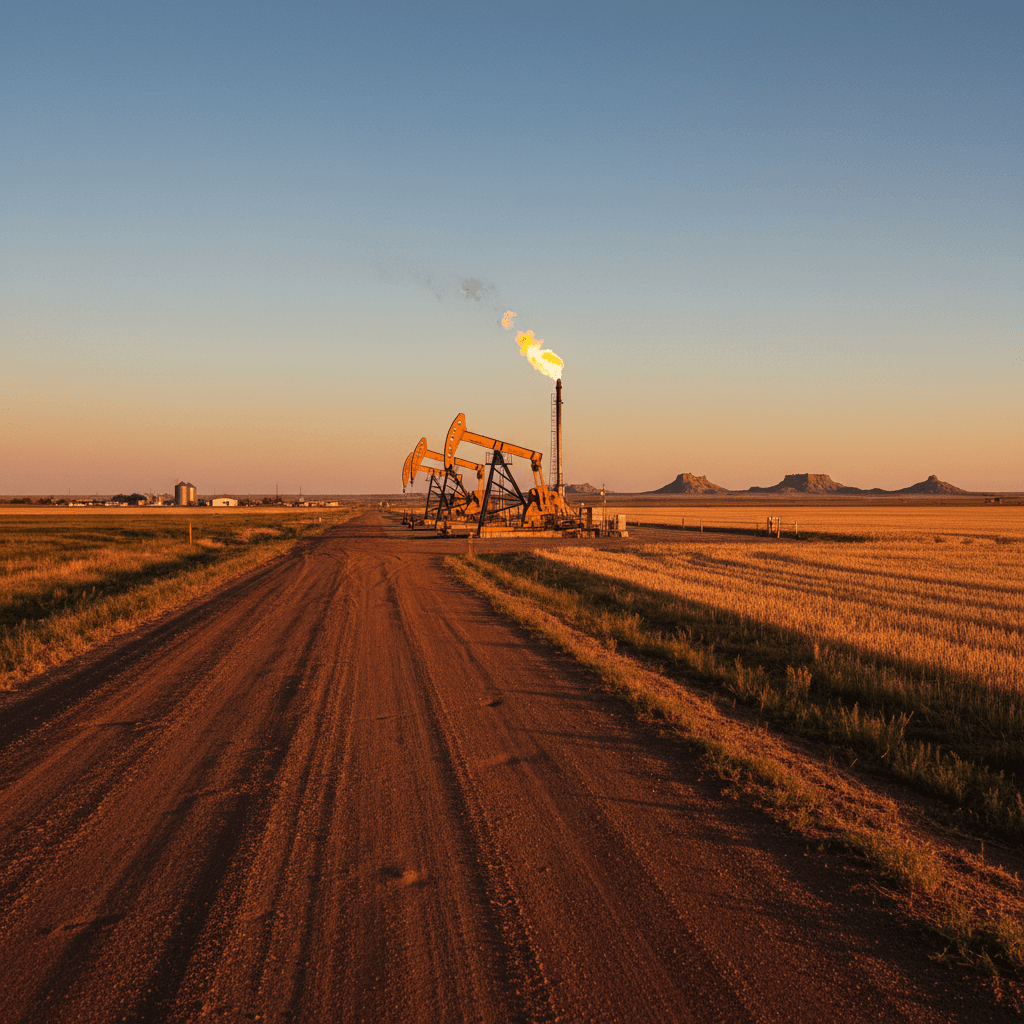
North Dakota's Bakken oil field activity remained static Friday, with the state's active rig count holding at 30, according to Bakken Wire live data. Concurrently, oil prices saw a moderate decline, with West Texas Intermediate (WTI) crude trading at $87.79, a drop of $1.11.
The current rig count represents a key indicator for future production trends. Historically, the number of drilling rigs operating in North Dakota has a direct and lagged correlation with oil output. A sustained higher rig count typically leads to increased production several months later, while a lower or stagnant count suggests plateauing or declining output.
The present level of 30 rigs is significantly lower than peak activity periods seen in previous decades when high prices spurred widespread drilling. The current count reflects a continued industry focus on capital discipline and efficiency, with operators concentrating on core acreage.
Friday's price movement saw Brent crude at $91.63 and the Bakken differential at a discount of $3.42 versus WTI. The natural gas price was reported at $3.28. While current prices remain supportive of operations, the day's dip may reinforce a conservative approach to adding new drilling projects.
For Bakken operators, the economics at current prices and differentials are workable for existing, high-quality wells, but may not justify a significant expansion of drilling programs. The stable rig count suggests companies are maintaining, but not aggressively growing, their development pace.
The outlook for North Dakota oil production in the coming months is therefore likely one of stability rather than sharp increase. Production levels will be sustained by the completion of wells already drilled and the ongoing output from the vast existing well inventory, but new growth will be limited by the current pace of drilling.
Royalty owners can expect steady cash flows from existing production, but significant new income from freshly drilled wells on their acreage may be less forthcoming unless operator activity increases. The industry's trajectory remains sensitive to any sustained shifts in the global oil price, which directly impacts drilling budgets and plans in the Williston Basin.
Source
Bakken Wire live data for Friday, May 29, 2026