Black Sea Export Disruptions Tighten Global Oil Market, Lifting Bakken Outlook
Drone attacks shut key Russian and Kazakh terminals, removing over 1.5 million barrels per day of export capacity and supporting higher global crude prices.
Russia's largest Black Sea oil export terminal has gone offline amid escalating drone attacks, removing a major source of crude from the global market and strengthening the price environment for Bakken producers. According to OilPrice.com, the Sheskharis terminal at Novorossiysk, which exported an average of 650,000 barrels per day in the first half of the year, has not loaded a crude tanker since July 21.
The disruption at Sheskharis follows the shutdown of the nearby Caspian Pipeline Consortium (CPC) terminal, which normally handles over 80% of Kazakhstan's crude exports. The combined outages from the two terminals, which sit only miles apart, are already forcing production cuts upstream. OilPrice.com reported that Kazakhstan cut output this week, with production at Chevron's giant Tengiz field falling by more than half as storage filled.
These Black Sea outages compound existing supply risks in other critical global chokepoints. OilPrice.com noted Brent crude climbed above $100 this week as renewed fighting around the Strait of Hormuz and Houthi attacks in the Red Sea threatened Gulf exports. The market, which entered the summer concerned about oversupply, is now losing key export barrels with limited inventory cushion, as strategic and commercial stocks have been drawn down.
The tightening physical market is altering global trade flows. According to Rigzone, Chinese buyers are moving to secure alternative supplies, snapping up Russia's ESPO crude weeks earlier than usual as Middle East risks mount. This shift in buying patterns underscores the heightened competition for secure barrels.
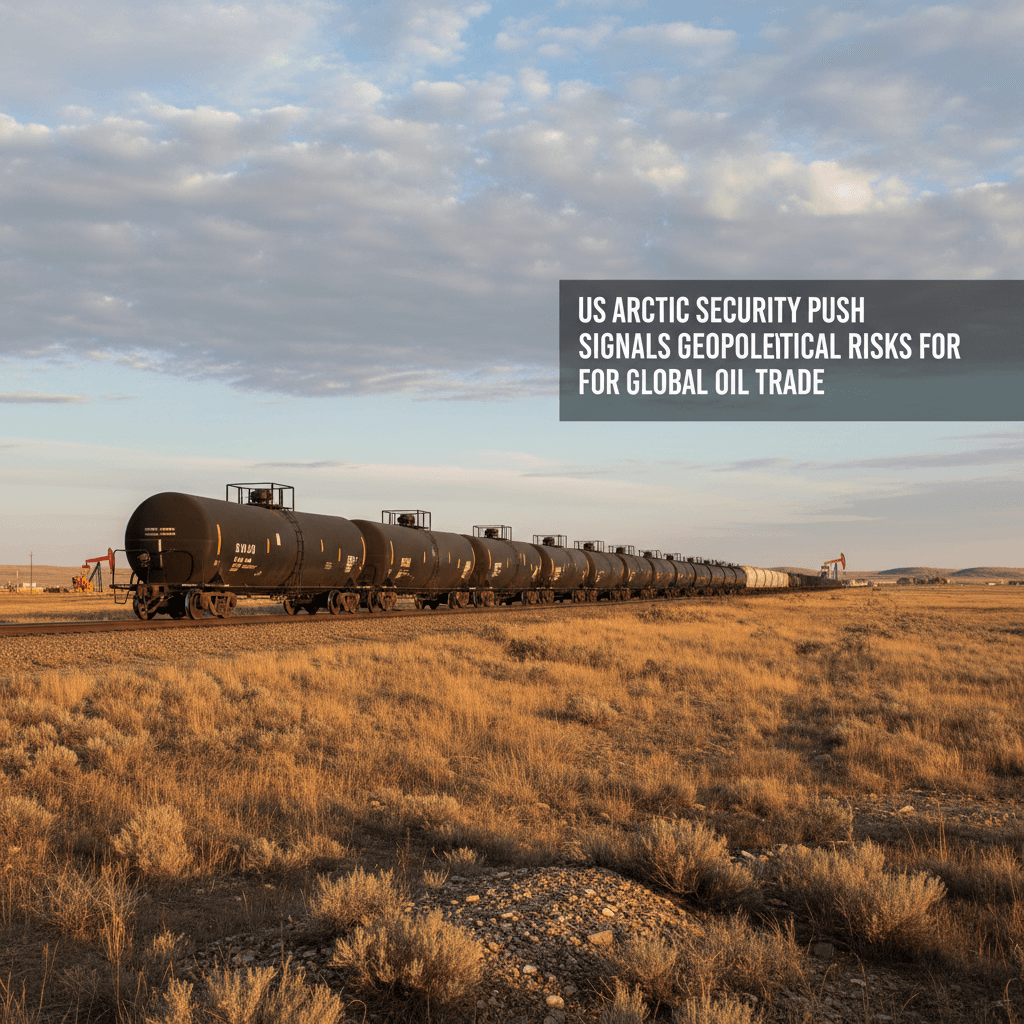
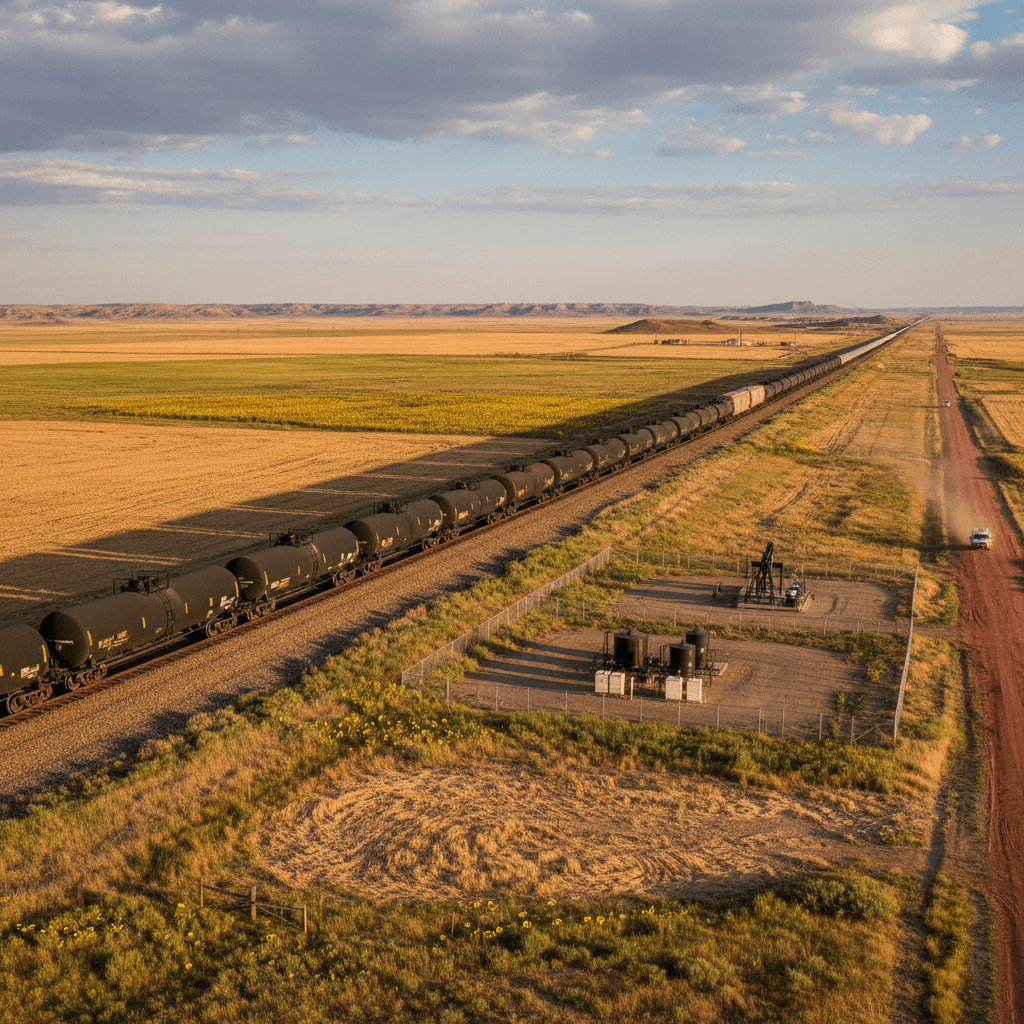
For North Dakota's Bakken operators, the loss of over 1.5 million barrels per day of combined export capacity from the Black Sea terminals represents a significant reduction in near-term global supply. The resulting price support for benchmark crudes like Brent and WTI directly improves the economics for wells across the Williston Basin. Higher global prices strengthen the differentials for Bakken crude shipped to coastal refineries and export hubs.
The ongoing attacks also highlight the increasing fragility of global energy infrastructure, with Ukraine expanding drone strikes to target commercial shipping and export terminals. This geopolitical premium, layered on top of the physical supply loss, is likely to sustain volatility and support prices, providing a more favorable revenue environment for Bakken producers and the state's royalty owners in the third quarter.
Source
OilPrice.com, Rigzone