BP Expands Offshore Namibia Footprint Amid Global Tension, Bakken Context
The supermajor's new exploration deal follows a strategic pivot back to oil and gas, while Middle East threats highlight global market volatility.
UK supermajor BP has agreed to acquire a 60% operating stake in three offshore exploration blocks in Namibia, according to a report from OilPrice.com. The company is buying the majority interest in the PEL97, PEL99, and PEL100 blocks from Canada's Eco Atlantic Oil & Gas, subject to Namibian government approvals.
The move deepens BP's presence in one of the world's most sought-after exploration regions, where Shell, TotalEnergies, and Galp have also made large discoveries. BP's entry as an operator builds on exploration successes through Azule Energy, its 50/50 joint venture with Eni, which announced the Volans-1X and Capricornus-1X discoveries in Namibia's Orange Basin.
This expansion aligns with BP's major strategy reset announced last year to slash renewable investments and focus on its core oil and gas business. New CEO Meg O'Neill, who took over April 1, has pledged consistency and clear direction for the supermajor.
The news arrives amid heightened global tensions that could impact oil markets. According to Rigzone, Iran has threatened to target all ports in and near the Persian Gulf if its shipping hubs are threatened. This geopolitical friction contributes to a volatile backdrop for international oil producers and prices.
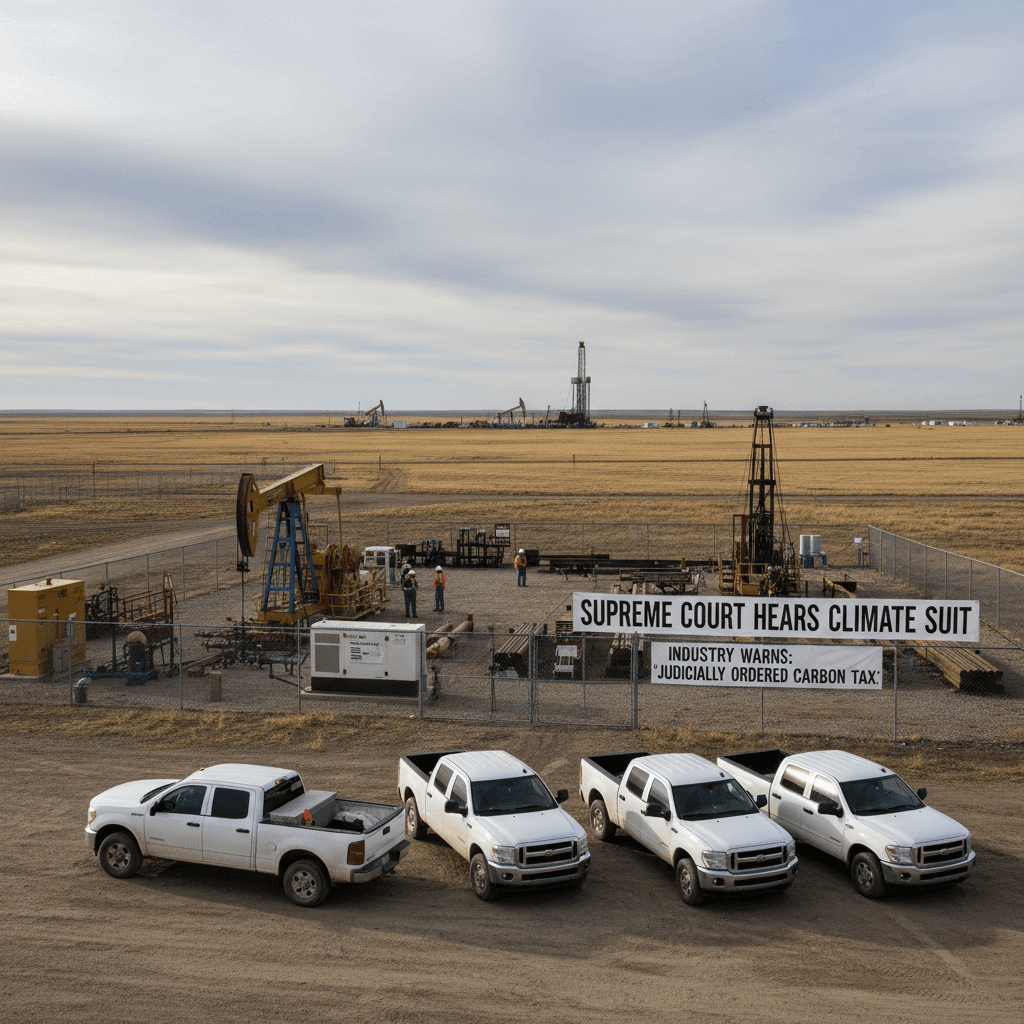
For Bakken operators, BP's continued strategic focus on upstream oil development underscores the enduring value major companies place on hydrocarbon portfolios. North Dakota's oil production originates from the Williston Basin, which extends into Canada, South Dakota, and Montana, as noted by Bing News.
While the Bakken formation is a mature onshore play, the aggressive international exploration by supermajors like BP highlights the ongoing global competition for resource-rich basins. Namibia, however, lacks infrastructure to fast-track development, making projects more expensive—a contrast to the established takeaway and processing network in the Bakken.
The combination of corporate strategy shifts and geopolitical risks underscores the interconnected nature of the global oil market. Developments in frontier offshore basins and strategic chokepoints like the Persian Gulf ultimately influence the investment climate and price expectations for all producing regions, including North Dakota.
Source
OilPrice.com, Bing News, Rigzone