China Halts Fuel Exports, Tightening Global Market
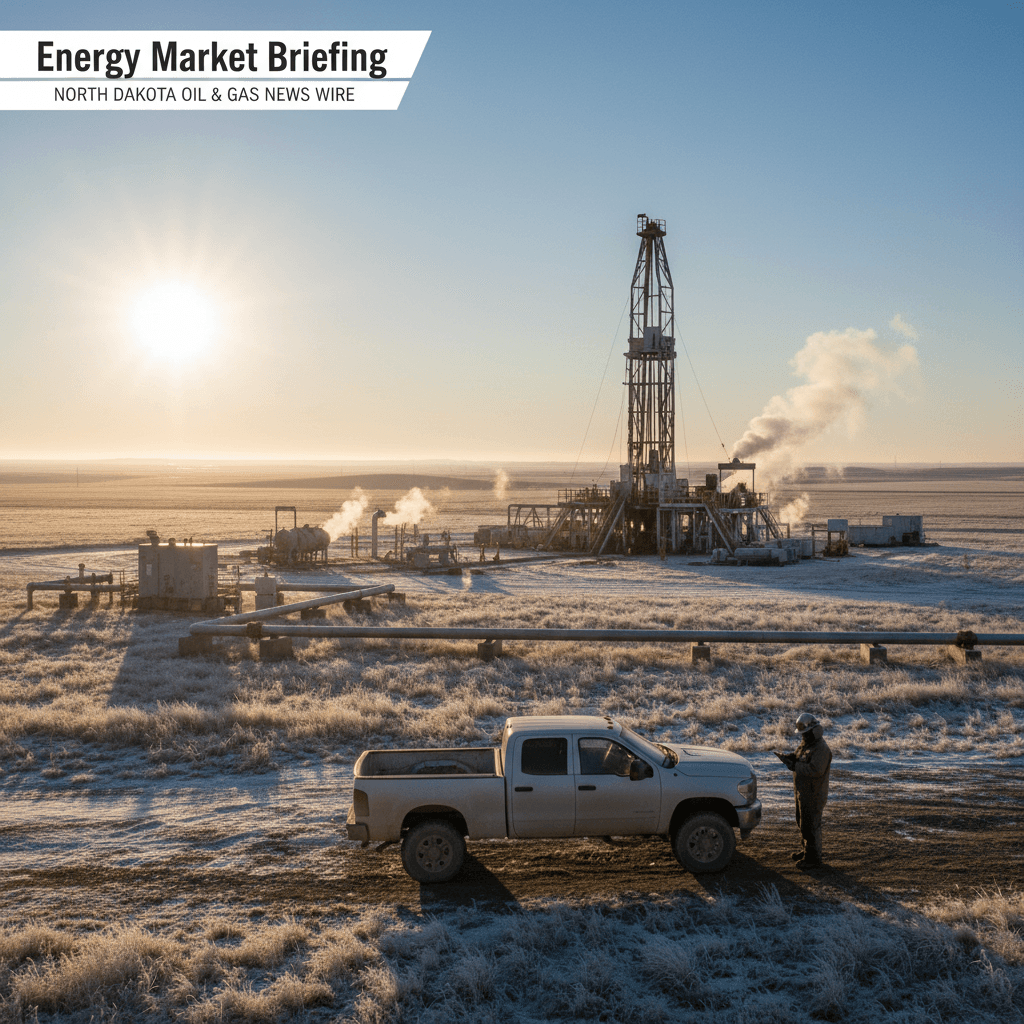
The move could support refined product prices, indirectly benefiting Bakken crude oil differentials and regional refinery margins.
China's refiners have halted fuel exports until further notice, a move that analysts say could further tighten the global fuel market. According to a report from OilPrice.com, multiple sources briefed on the matter confirmed the halt on Thursday, October 1, 2026.
The state major PetroChina has canceled some gasoline and jet fuel cargoes that were expected to be shipped in October. This follows a pattern from earlier in the year when China suspended exports to protect domestic supply, only to remove most restrictions in mid-July. Fuel exports then recovered, with refiners exporting 6.01 million tons of petroleum products in August, a 12.7% year-on-year increase.
However, new restrictions appear to be in place for October. Chinese authorities did not authorize fuel exports beyond Hong Kong and Macau ahead of the Golden Week public holiday starting October 1. It is unclear if exports will resume after the holiday ends on October 7.
The policy shift is driven by domestic inventory levels. Analysts from GL Consulting noted last week that China's gasoline and diesel inventories have slumped to multi-year lows, with domestic supply constrained and internal demand strengthening. “Refiners are likely to prioritise the domestic market,” the consultancy said.
Rigzone separately reported that Chinese fuel exporters have canceled some oil-product cargoes slated for October, as Asia's top consumer prioritizes domestic supply during global energy market upheaval.
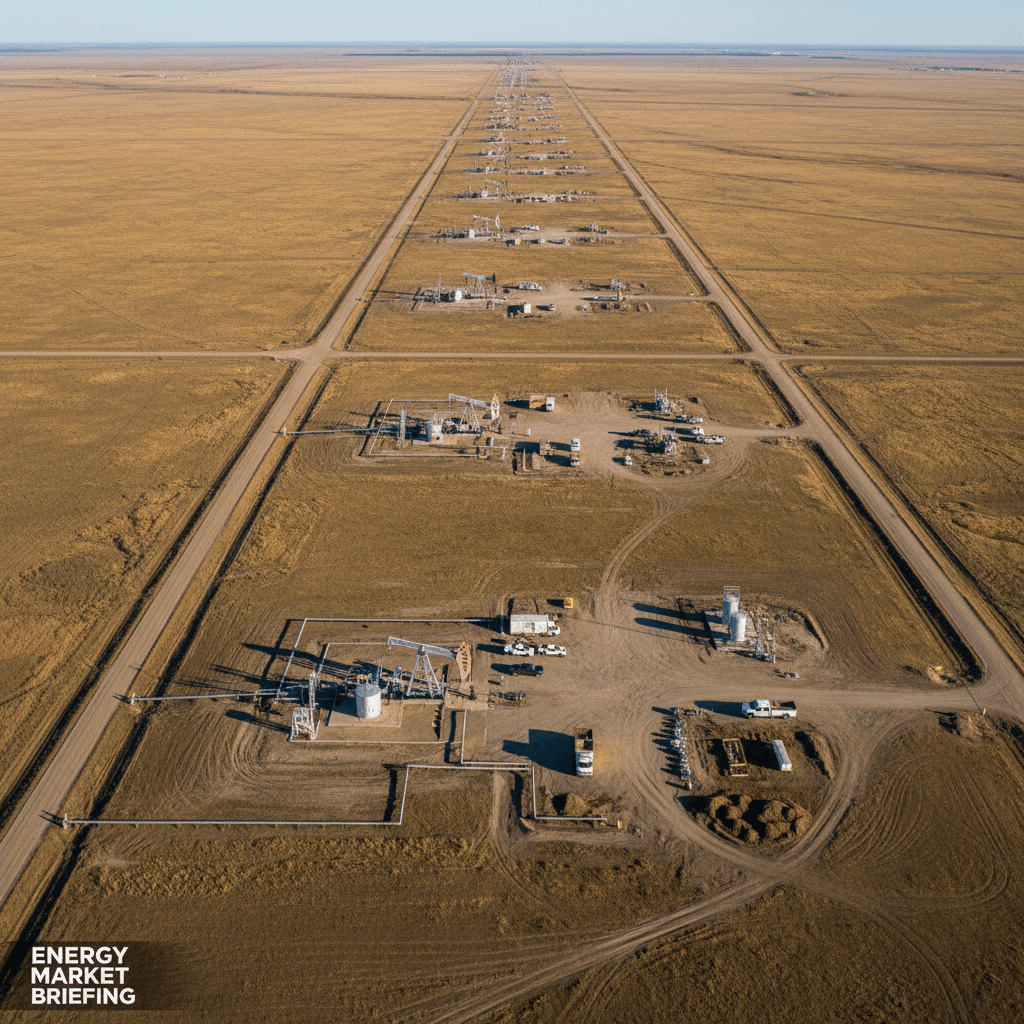
For Bakken operators and North Dakota, a tighter global refined product market typically supports higher prices for gasoline and diesel. This can improve margins for domestic refiners, including those that process Bakken crude, and can help strengthen the price differentials for Bakken crude oil versus the U.S. benchmark. Any sustained reduction in Asian fuel supply increases the call on fuel from other regions, potentially benefiting U.S. Gulf Coast and West Coast exports.
In a separate, longer-term development for global energy flows, Rigzone reported that Cheniere Energy secured a 22-year liquefied natural gas supply contract with Brazil's Petrobras. This follows a similar 20-year agreement by Sempra to supply the Brazilian state-owned company. While directly focused on LNG, such deals underscore the ongoing structural shifts in global energy trade that can influence overall commodity price volatility and investment.
The immediate focus for the Bakken will be the impact of China's export halt on the refined product complex. A prolonged restriction could provide a supportive price backdrop for North American energy producers as the fourth quarter begins.
Source
OilPrice.com, Rigzone