China's Oil Stockpiling Caps Prices as Bakken Watches Demand
Surging imports amid economic slowdown create a global supply cushion, while refinery attacks and power demand add market pressure.
China's crude oil imports surged 22% month-over-month in July to 8.45 million barrels per day, according to customs data reported by Oilprice.com. This rebound from a decade-low in June comes despite disappointing economic data from the world's largest oil importer, raising questions about the durability of its demand. For Bakken producers, this creates a mixed price outlook: strong immediate imports provide a market, but the underlying economic weakness suggests future demand could soften.
The Chinese economy grew by only 4.3% in the second quarter, its slowest pace since 2022, with retail sales and industrial output in July missing analyst expectations, Oilprice.com reported. Analysts note that China is using periods of lower oil prices to build strategic reserves, creating a substantial supply cushion. This stockpiling has been "instrumental in keeping a cap on global oil prices," the report stated, allowing China to potentially pause imports if prices spike. For North Dakota drillers, this means a key buyer has significant stored inventory, which could dampen the upside for global benchmark prices that Bakken crude follows.
Global supply disruptions elsewhere could counterbalance that price cap. Several regions of Russia are facing fuel shortages after Ukraine resumed almost daily attacks on oil refineries in the country, Rigzone reported on August 14. Continued attacks on refining capacity could tighten global fuel supplies, providing underlying support for crude oil prices, which would benefit Bakken producers.
On the demand side, a growing call for reliable power generation could bolster natural gas, a key associated product in the Bakken. Net Power, according to a Rigzone summary published August 17, is recalibrating its commercial strategy around what power customers prioritize: "speed-to-power, reliability and scale," focusing on gas to meet data center demand. While not a direct oil market driver, increased focus on gas-fired power generation underscores the long-term role for natural gas, supporting the economics of Bakken wells that produce both commodities.
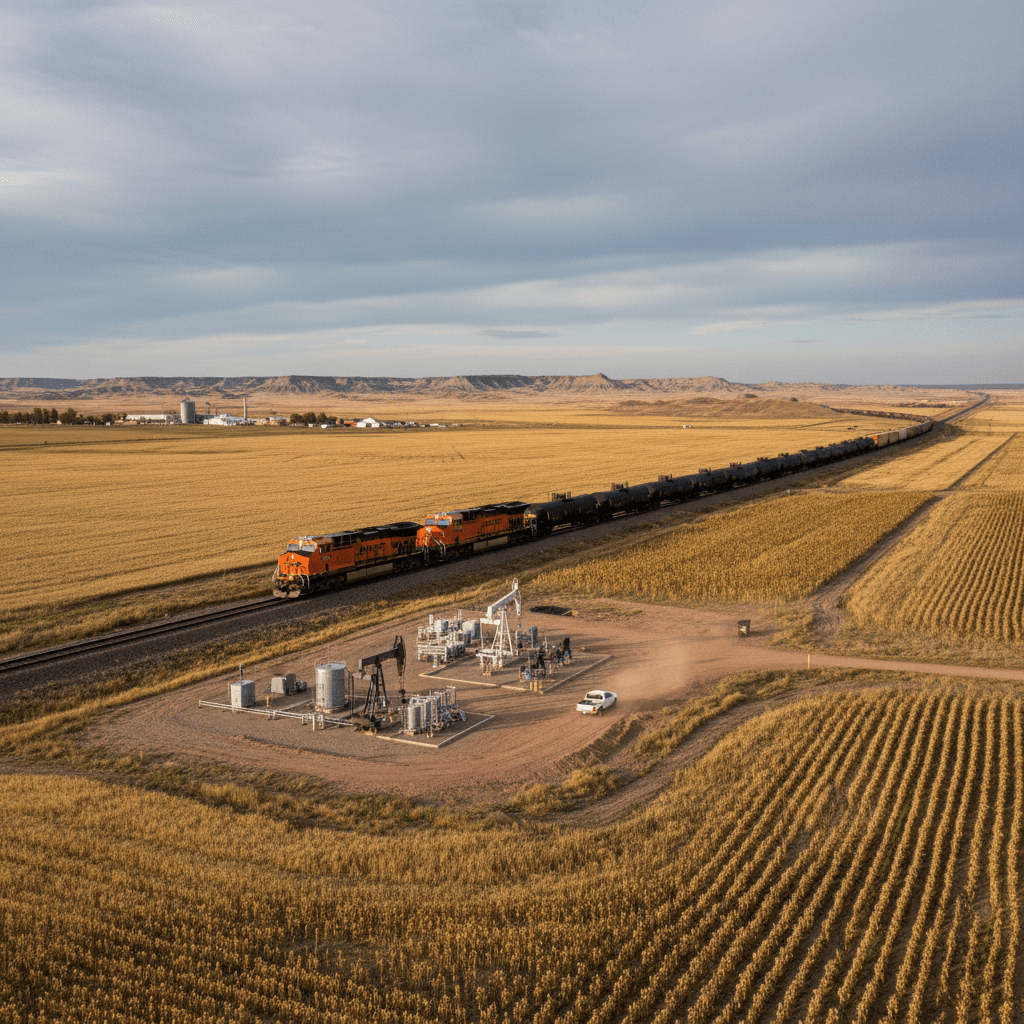
The net effect for the Williston Basin is a market in tension. Strong immediate Chinese buying is positive, but its strategic reserves and cooling economy introduce future demand uncertainty. Geopolitical risks like the Russia-Ukraine conflict provide price support, while the parallel demand for reliable natural gas offers a complementary revenue stream. Bakken operators must navigate a landscape where the world's biggest buyer is building a buffer, potentially muting price rallies despite persistent global supply risks.
Source
Oilprice.com, Rigzone