ConocoPhillips Enters Major Iraq Deal, Bakken Focus Unclear
The Bakken's second-largest producer partners with BP on a $25 billion Iraqi field redevelopment, raising questions about capital allocation.
ConocoPhillips, the second-largest oil producer in North Dakota's Bakken formation, has agreed to acquire a 42% stake in BP's operations in Iraq's giant Kirkuk oilfield, according to a report from OilPrice.com. The partnership aims to rehabilitate and optimize production at an estimated cost of $25 billion, targeting an initial phase to extract more than 3 billion barrels of oil equivalent.
The deal marks ConocoPhillips' return to Iraq after more than a decade and aligns with the Iraqi government's goal to expand U.S. energy investment to counter Chinese dominance. Under the Development and Production Contract, the joint venture will function as an equity affiliate, requiring no significant upfront capital from the companies, with returns linked to incremental production, OilPrice.com reported.
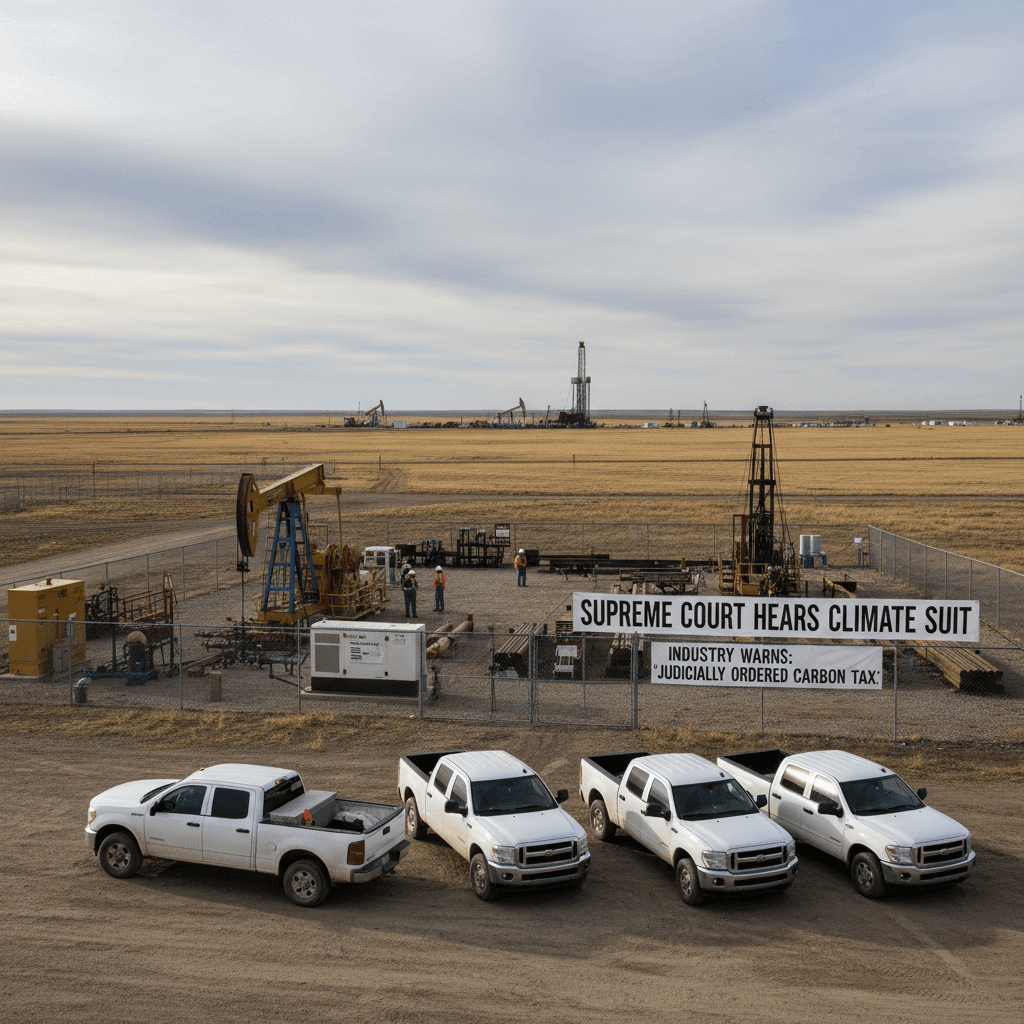
For Bakken watchers, the move immediately raises questions about capital discipline and strategic focus. ConocoPhillips is a major player in the Williston Basin, operating 11 rigs in North Dakota as of the latest state data. Any significant international investment, even in a project structured with limited upfront capital, could potentially compete for managerial attention and long-term investment dollars against its core U.S. shale assets, including the Bakken.
The Kirkuk field, discovered in 1927, has seen production decline from historical peaks of 1 million barrels per day to between 285,000 and 330,000 barrels per day currently. The redevelopment project follows the restart of crude exports from the region in March 2026, with 250,000 barrels per day flowing via the Kirkuk-Ceyhan pipeline to Turkey after a nearly three-year suspension, according to the source.
The geopolitical and infrastructure context of the deal is significant. Iraq is actively seeking diversified export routes to bypass maritime chokepoints like the Strait of Hormuz, including initiatives to reconstruct a pipeline through Syria to the Mediterranean. A successful redevelopment that significantly boosts Iraqi exports could influence global oil prices and market dynamics, indirectly affecting the economic backdrop for all Bakken producers.
The report notes that Iraqi Prime Minister Ali Al-Zaidi recently pitched major energy deals to Western majors like ConocoPhillips and Chevron. For ConocoPhillips, the deal represents a strategic foothold in a major, albeit complex, conventional oil basin. Bakken operators and royalty owners will be watching to see if this signals a broader shift in strategy for one of the basin's leading companies or remains an isolated, financially structured partnership.
Source
OilPrice.com