ConocoPhillips Invests $1B Annually to Sustain Alaska Legacy Assets
The major Bakken operator's ongoing commitment to its Alaska projects highlights a strategy of maintaining core, long-life assets amid broader portfolio management.
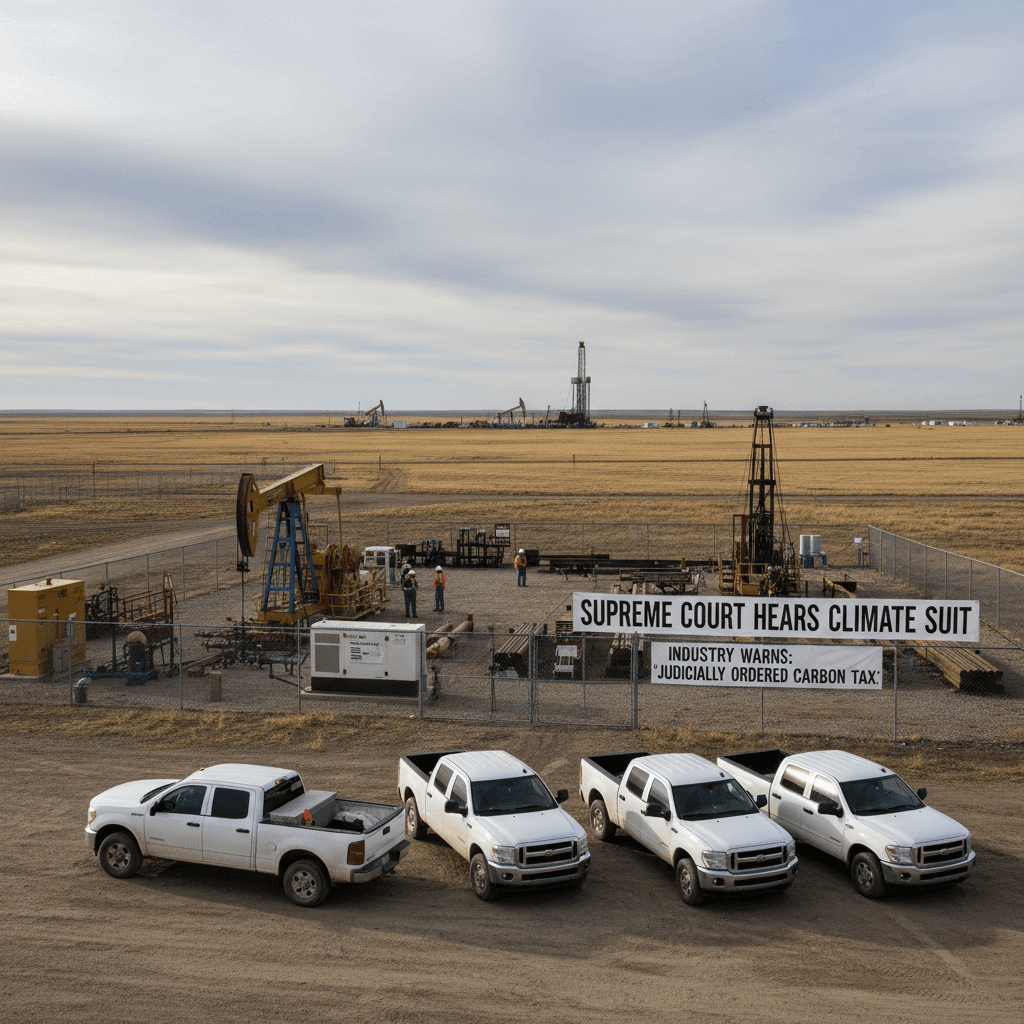
ConocoPhillips, a major operator in North Dakota's Bakken formation, invests approximately $1 billion each year to sustain and grow its Alaska legacy assets, according to a summary from Rigzone. The report, published August 14, cited projects like the Coyote development as examples of this ongoing investment.
This sustained capital allocation to Alaska underscores a corporate strategy focused on maintaining and optimizing long-life, legacy oil-producing regions. For Bakken stakeholders, it demonstrates ConocoPhillips's approach to managing a diverse global portfolio that includes both Lower 48 shale basins and major international projects.
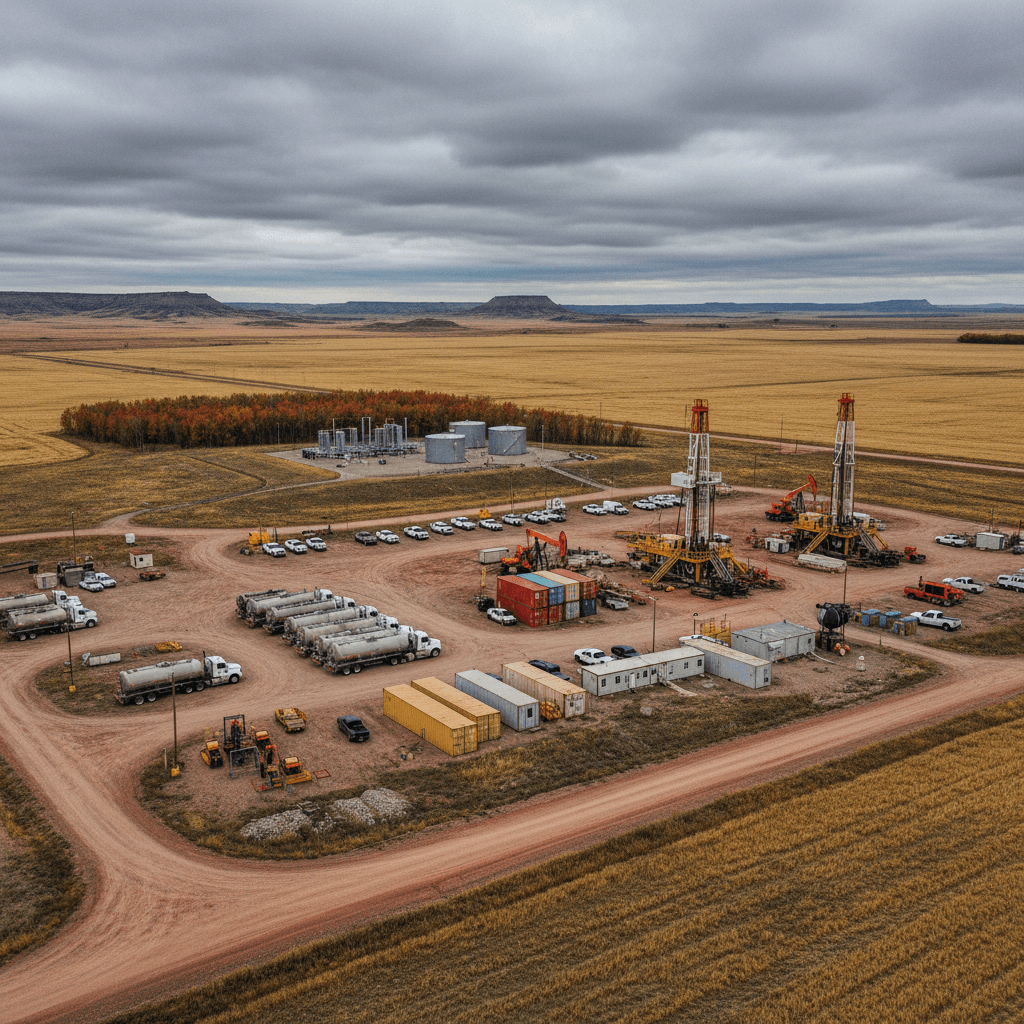
The Bakken formation remains a cornerstone of ConocoPhillips's U.S. onshore production. The company's consistent operational presence in the Williston Basin is part of a broader capital framework where investments across different assets are balanced. News of steady funding for Alaska operations does not inherently detract from the Bakken, but rather reflects the company's scale and its commitment to core areas that generate steady cash flow.
For other Bakken operators and service companies, the activity level of large, diversified producers like ConocoPhillips can influence regional dynamics. Decisions on capital expenditure are made globally, with each basin competing for its share based on projected returns. The reported annual investment in Alaska highlights the type of large-scale, long-term project development that contrasts with the faster-cycle shale development typical of the Bakken.
The general industry context is one of disciplined capital allocation. Operators are prioritizing investments that promise the strongest returns and operational efficiency, whether in shale plays or conventional fields. ConocoPhillips's strategy, as indicated by this report, involves funding legacy projects that support baseline production while also deploying capital in its shale assets.
Source
Rigzone