Copper Policy, Refining Margins in Focus as Metals Unwind War Premium
Washington's pending copper tariff decision and strong refinery profits emerge as key market drivers for Bakken operators amid shifting global trade flows.
The trajectory of copper prices, a key industrial metal, now depends more on a pending U.S. tariff decision than on Middle Eastern conflict, according to an analysis from OilPrice.com. This shift comes as base metals unwind the price premiums built during the first half of 2026 following Operation Epic Fury and the volatile closure of the Strait of Hormuz.
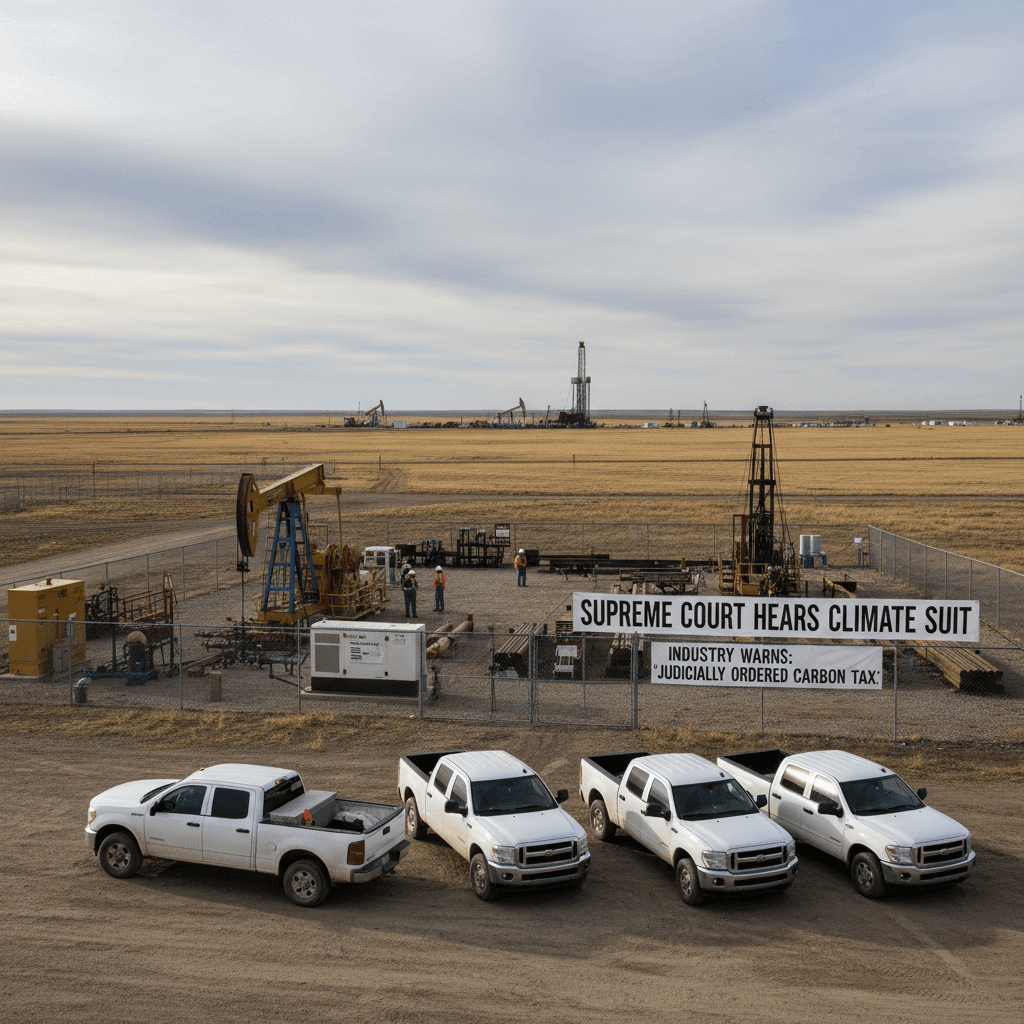
Commerce Secretary Howard Lutnick's review of the domestic refined copper market, due by June 30, was to inform a potential tariff starting at 15% in January 2027. As of July 3, the decision had not been announced. According to the report, opponents are "still actively and significantly lobbying to not have a tariff," indicating the outcome remains contested. Copper prices had topped $14,000 a ton in June, nearing January's record high.
Meanwhile, the metals complex is normalizing after Gulf disruptions. Missile strikes on smelters in the UAE and Bahrain earlier this year knocked out roughly 2 million tons of annualized output, sending aluminum to a four-year high above $3,780 a ton in early June. Most of that war premium has since unwound as markets price in a gradual return to normality, even as full recovery of Gulf oil flows through the Strait of Hormuz is expected to take years.
Other metals followed distinct paths. Zinc, largely insulated from the conflict, was a surprise performer in the first half, rising 14% by June on a global deficit outside China. Tin rose 27% on a structural supply squeeze, while lead fell 7% due to a surplus. Nickel prices were driven more by Indonesian mining quotas than by events in the Gulf.
In related energy sector news, U.S. crude refiners are currently enjoying some of the best profit margins in years, according to a summary from Rigzone. The strong refining environment is a positive indicator for domestic crude demand, which supports prices for Bakken producers.
Rigzone also highlighted the recent release of the Energy Institute's latest statistical review of world energy, which details global oil consumption patterns. For Bakken operators, understanding the world's largest oil consumers is critical for gauging long-term export demand for North Dakota crude.
The overall market narrative, as summarized by Vandana Hari of Vanda Insights, is that the Strait of Hormuz "continues to reopen but it's patchy, unpredictable, and not fully transparent." Once the remaining geopolitical risk premium fades, commodity prices will trade more directly on their own supply and demand fundamentals—and, in copper's case, on the forthcoming policy decision from Washington.
Source
Analysis from OilPrice.com, news summaries from Rigzone