Crude Prices Drop Sharply, Equipment Demand Surges
A diplomatic shift pressures oil, while strong LNG and power generation demand boosts Baker Hughes.
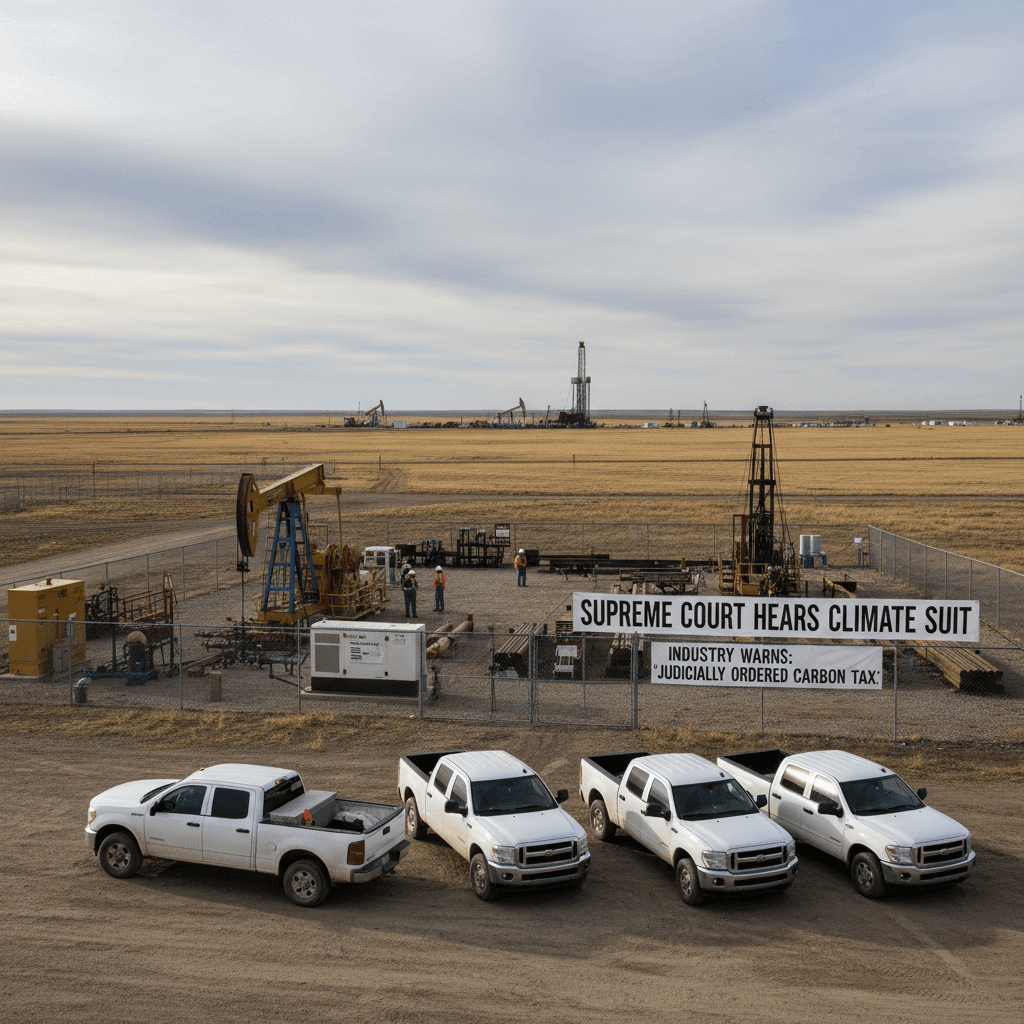
Crude oil futures posted their biggest three-day decline since 2020 on Tuesday, pressured by renewed optimism for diplomatic talks with Iran, according to Rigzone. The sharp price drop introduces immediate headwinds for Bakken operators' revenue and wellhead economics.
In a contrasting signal for the services sector, equipment provider Baker Hughes reported a nearly 50 percent year-over-year increase in orders, Rigzone reported. The company cited robust demand across its Power Systems and LNG businesses, with particularly strong momentum in power generation. This suggests continued capital investment in energy infrastructure, though the focus appears outside of onshore shale plays like the Bakken.
Separately, the Barossa project shipped its first condensate cargo, roughly 300,000 barrels, to a refinery in Incheon, South Korea, Rigzone reported. This highlights the ongoing global demand for light hydrocarbons, though Bakken crude typically competes in different market segments.
For North Dakota's Bakken formation, the day's news presents a mixed picture. The rapid decline in crude prices directly impacts the cash flow of producers and the value of royalties for mineral owners. Price volatility remains a persistent challenge for planning future drilling activity in the basin.
The strength in Baker Hughes' orders, particularly for LNG and power generation, underscores where industrial energy investment is currently flowing. While this may not translate directly to increased frac spread or drilling rig activity in the Williston Basin, it indicates healthy underlying demand in the broader energy complex, which can support overall service company stability.
Source
Rigzone (Oil Tumbles on Diplomatic Optimism, July 28, 2026; Baker Hughes Posts Nearly 50 Percent YoY Increase in Orders, July 28, 2026; Barossa Ships First Condensate Cargo to South Korea, July 28, 2026)