Diversified Eyes $1.7B Birch Buy as AI, Electric Flight Shape Long-Term Demand
A major acquisition in the U.S. oil patch proceeds as analysts debate AI's massive power demand and electric aviation's potential market encroachment.
Diversified Energy Company PLC is in advanced talks to acquire Birch Resources, an oil and gas company backed by Elliott Investment Management, for more than $1.7 billion in cash, according to people familiar with the matter reported by Rigzone. While the specific assets involved were not detailed, a deal of this size signals continued consolidation and investment in U.S. hydrocarbon resources.
This potential transaction emerges against a backdrop of evolving long-term energy demand narratives, particularly regarding electricity-intensive technologies. A major investment gap is opening in the artificial intelligence sector, according to an analysis from OilPrice.com. While AI adoption is growing—with the share of UK small and medium-sized enterprises paying for AI services quadrupling from 3.2% in Q2 2024 to 12.8% in Q2 2026—current spending remains relatively small. The median quarterly spend per small business was just £75.60 ($98) in Q2 2026.
However, infrastructure investment is vast by comparison. The Economist estimates America’s biggest technology companies will spend about $900 billion in 2026 and $1.4 trillion in 2027 on AI infrastructure, OilPrice.com reported. This creates a "trillion-dollar problem" where monetization of AI services must grow by "orders of magnitude" to justify the infrastructure bets, which are largely debt-funded. For energy producers, this underscores the potential for sustained, massive demand for reliable power, a significant portion of which is currently met by natural gas.
Simultaneously, the aviation sector—long considered a safe, growing market for liquid hydrocarbons—is seeing incremental technological competition. Electric aircraft are moving beyond prototypes, according to a separate OilPrice.com report. While they pose no immediate threat to long-haul jet fuel demand, which supports an expected 104 billion gallons of consumption in 2026, they are advancing in niche markets.
The Pipistrel Velis Electro, a two-seat trainer, was certified by EASA in 2020. Progress is scaling up, with Safran's ENGINeUS 100 electric motor platform certified in 2025 for applications up to 19 seats, and Heart Aerospace targeting 2031 certification for its 30-seat ES-30 model. Archer Aviation recently conducted a piloted flight with its Midnight eVTOL (electric vertical takeoff and landing) aircraft. These technologies are suited for short routes, training, and regional services where their operational efficiencies and lower noise could prove economically attractive over time.
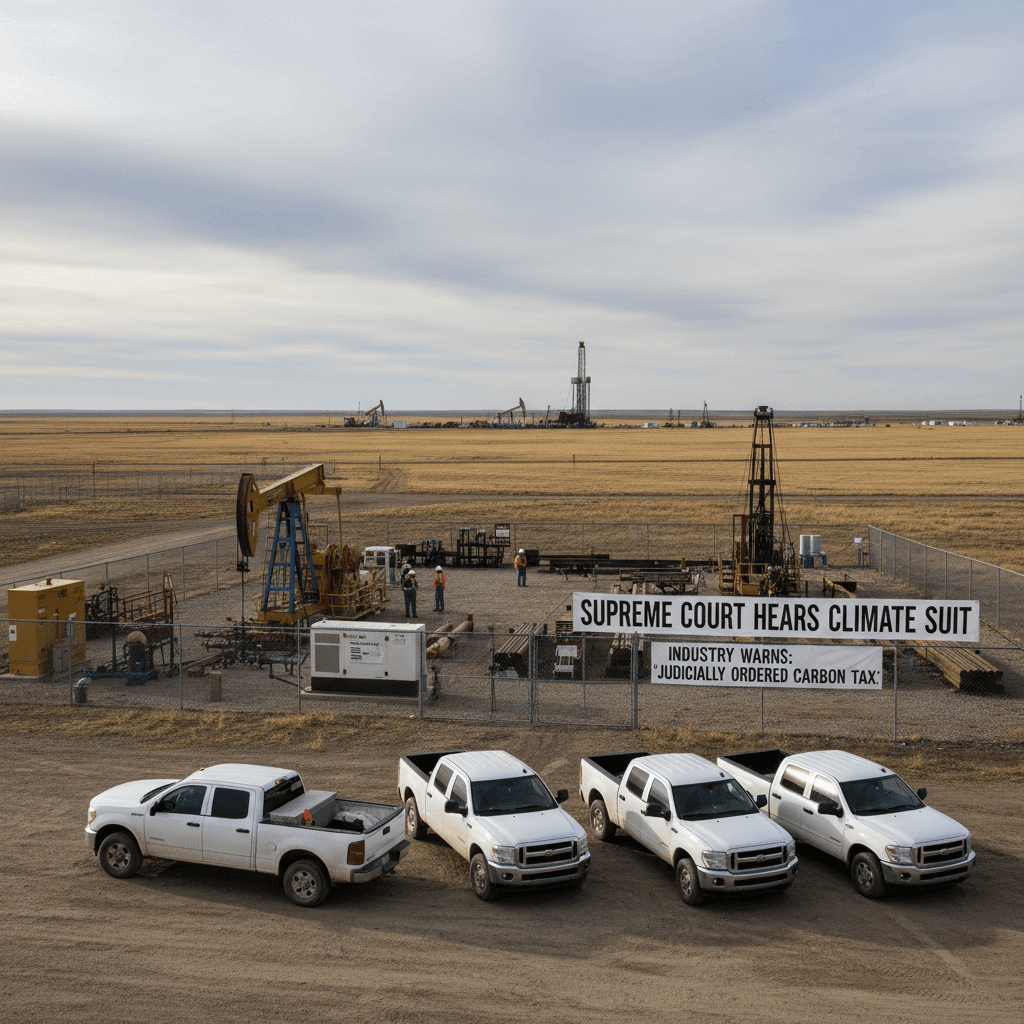
For Bakken operators, the immediate news is of continued financial interest in oil and gas assets, as seen in the Diversified-Birch talks. The longer-term context suggests two parallel demand drivers: the explosive, power-hungry growth of data infrastructure for AI, which bolsters the case for natural gas, and the slow, niche emergence of electric alternatives in transportation sectors like aviation.
Source
OilPrice.com (The Trillion-Dollar Problem at the Heart of the AI Boom, published Aug 16, 2026; Electric Aviation Won't Kill Jet Fuel - But It Could Take the Best Routes First, published Aug 15, 2026), Rigzone (Diversified Said to Close In on Birch Deal, published Aug 16, 2026)