EU Downplays Jet Fuel Shortage, Cites U.S. Imports as Key Buffer
European confidence in supply, despite Middle East war, underscores rising importance of U.S. exports including potential Bakken-sourced fuels.
The European Union's transport commissioner says the bloc will avoid a jet fuel shortage this summer, a situation being mitigated in part by increased fuel imports from the United States, according to an interview published Friday. This demand supports the broader U.S. refining and export complex, which processes crude from basins like the Bakken.
EU Sustainable Transport and Tourism Commissioner Apostolos Tzitzikostas told Reuters, “There is currently no jet fuel shortage in Europe. We have no signs that we will have a shortage in the coming period,” according to a report from OilPrice.com. This statement downplays earlier warnings from analysts, including the International Energy Agency's Fatih Birol, who suggested Europe was weeks away from feeling kerosene shortages.
The supply crisis stems from the war in Iran that began on February 28, which cut most of Europe's imports of jet fuel from the Middle East. European airlines have been struggling with a spike in jet fuel prices since then, with carriers like Lufthansa and Air France-KLM expecting their respective fuel bills to jump by over $2 billion each this year.
However, airlines and officials are growing more confident about physical supply. The OilPrice.com report states that buyers are diversifying imports "to offset supply losses from the Middle East with increased shipments from the U.S. and Nigeria." This shift is a direct demand signal for U.S. refiners, many of which process light sweet crude similar to that produced in the Bakken formation.
International Airlines Group, the owner of British Airways, said last month, “based on what we know today we are confident of jet fuel supply in our main markets throughout the summer. Today the situation is more about the price of fuel than availability,” according to the source.
Commissioner Tzitzikostas credited an EU plan from April to accelerate coordination among member states to ensure the availability of jet fuel and diesel for helping navigate the disruption. The report notes that European local refinery output has been falling for decades due to refinery closures or conversions to biofuel production, making imported fuel from partners like the U.S. increasingly critical.
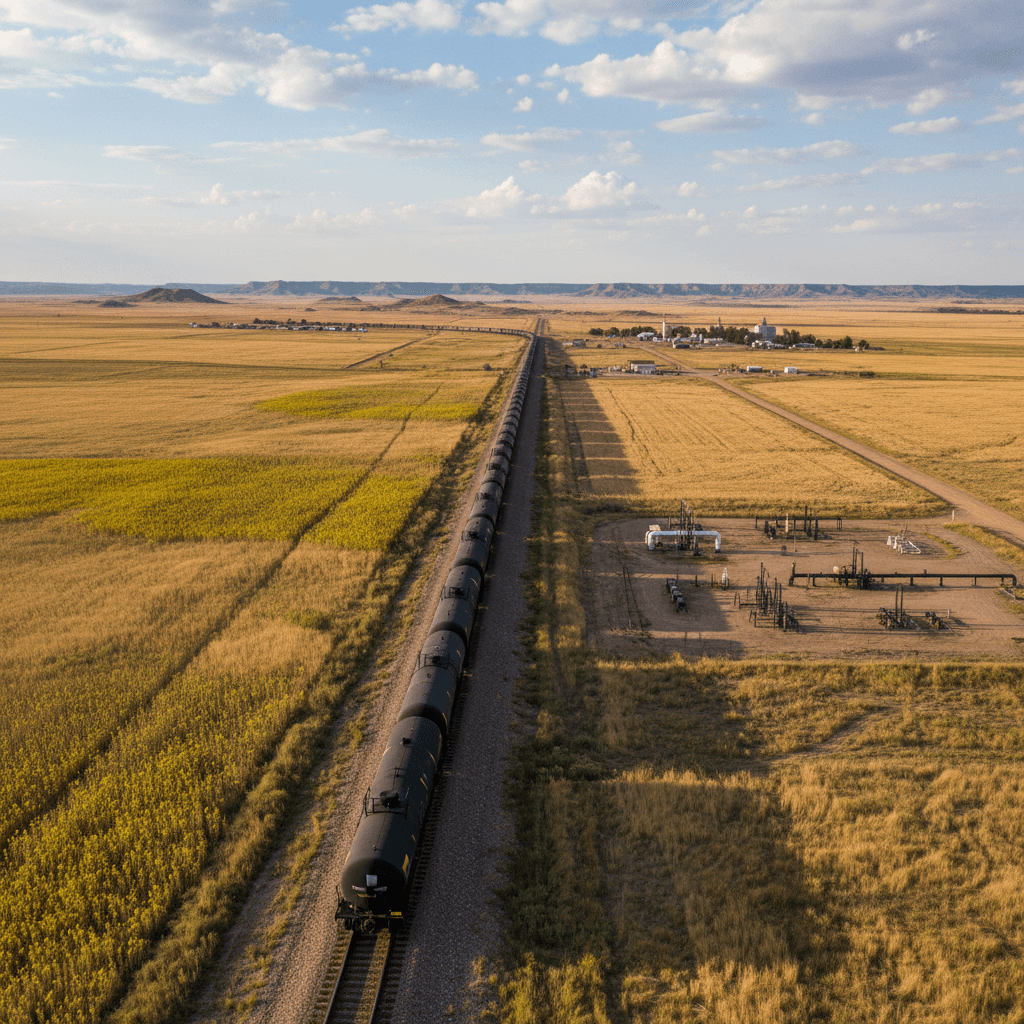
For Bakken operators, the sustained need for U.S. refined product exports provides underlying support for the crude oil feedstock required to make those fuels. While the article does not cite Bakken-specific exports, the overall increase in U.S. shipments to fill the European supply gap contributes to a tighter global refined products market, supporting crack spreads and refinery demand for domestic crude.
Source
OilPrice.com

