Geopolitical Tensions Boost Oil Prices; Grid Corridor Plans Scrapped
Rising Middle East risks provide price support for Bakken crude as federal energy infrastructure initiatives face rollbacks.
Crude oil futures advanced on Monday as persistent geopolitical tensions in the Middle East elevated global supply risks, according to Rigzone. The price support comes amid reports that prospects for peace in the region have suffered a fresh setback.
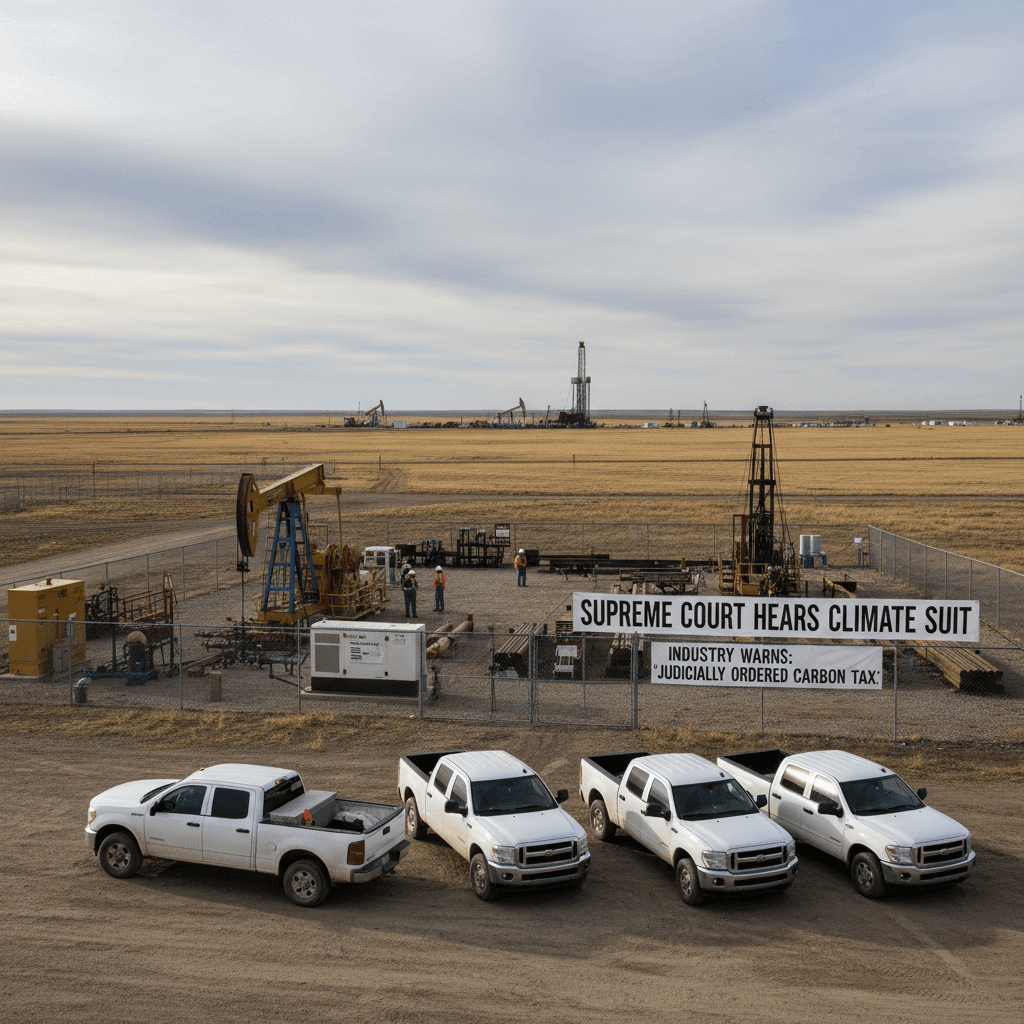
For Bakken operators, higher global benchmark prices can improve the economics of production in North Dakota's shale play. The region's light sweet crude often trades at a differential to benchmarks like West Texas Intermediate, but broader market gains typically translate into stronger wellhead revenue.
In separate federal energy policy news, the Trump administration has withdrawn three proposed major electricity transmission corridors. According to Rigzone, the cancelled projects are the Lake Erie-Canada Corridor, the Southwestern Grid Connector Corridor, and the Tribal Energy Access Corridor.
While not directly targeting oil and gas infrastructure, the withdrawal of these grid corridor proposals signals a potential shift in federal priorities for large-scale energy transmission projects. For the Bakken, which has seen growing interest in pairing oil production with associated gas capture and potential on-site power generation, the development of robust electrical grid capacity is a long-term consideration for field operations and potential downstream energy sales.
The dual developments highlight the external factors influencing the Bakken's business environment: volatile geopolitics that dictate the price of its core commodity, and evolving federal energy infrastructure policies that shape the landscape for future projects and operational costs.
Source
Rigzone (August 17, 2026)