Geopolitical Tensions Over Hormuz Could Support Bakken Oil Prices
President Trump signals sustained economic pressure on Iran, a factor that could underpin global crude markets.
President Donald Trump signaled on Monday that his administration is prepared to let economic pressure on Iran build rather than launch immediate new military strikes to force a reopening of the Strait of Hormuz, according to a report from Rigzone. The strategic waterway is a critical chokepoint for global seaborne oil trade.
While the report did not specify new sanctions or policy details, the stance suggests a continuation of geopolitical tensions that have periodically roiled oil markets. Any sustained threat to the free flow of oil through the Strait of Hormuz typically places a risk premium on global crude benchmarks, including the West Texas Intermediate (WTI) price that Bakken crude is closely tied to.
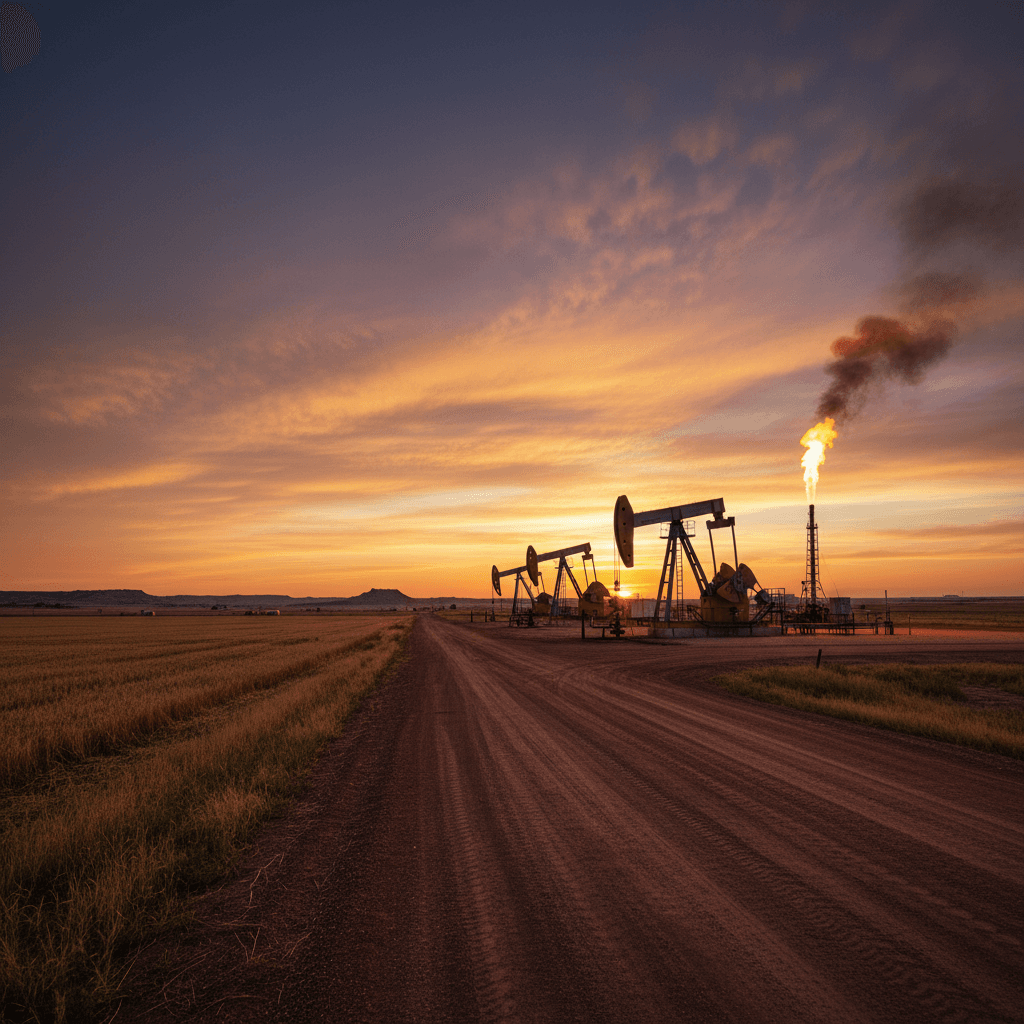
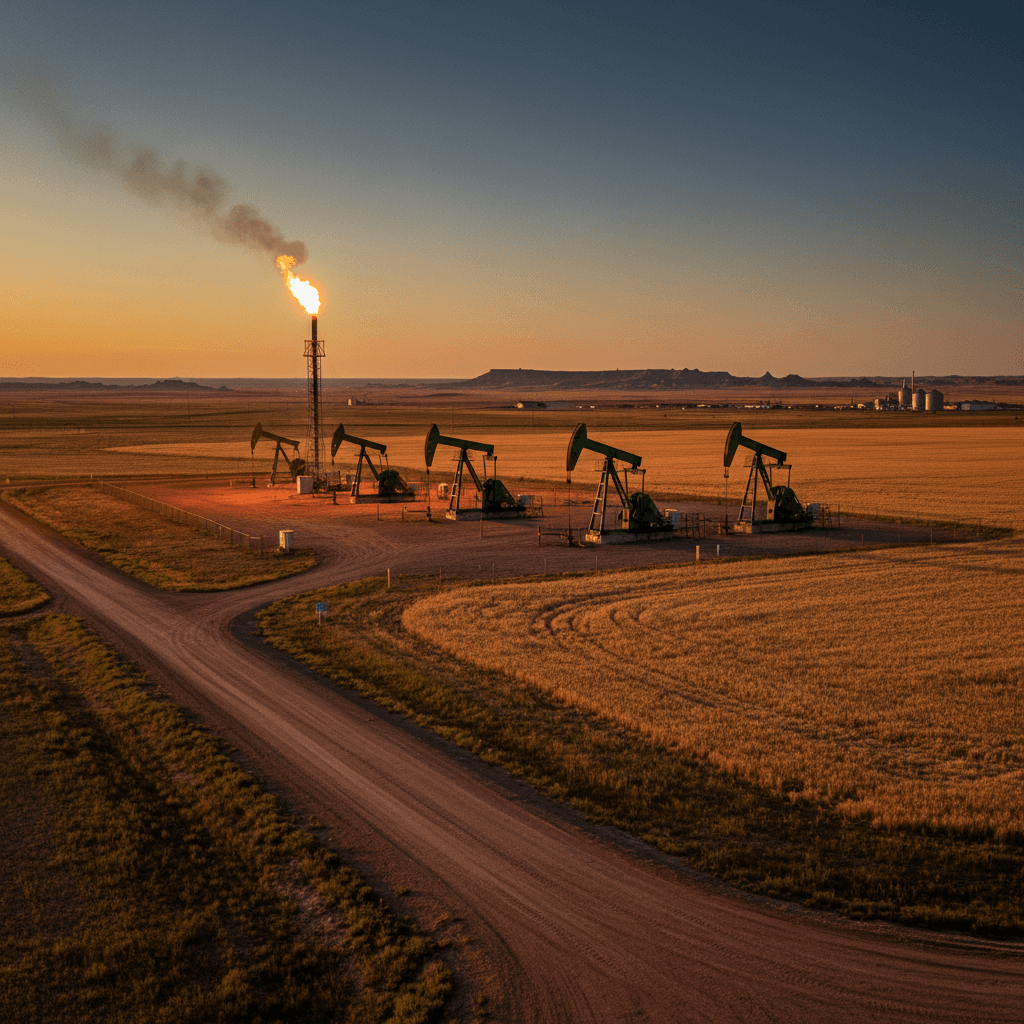
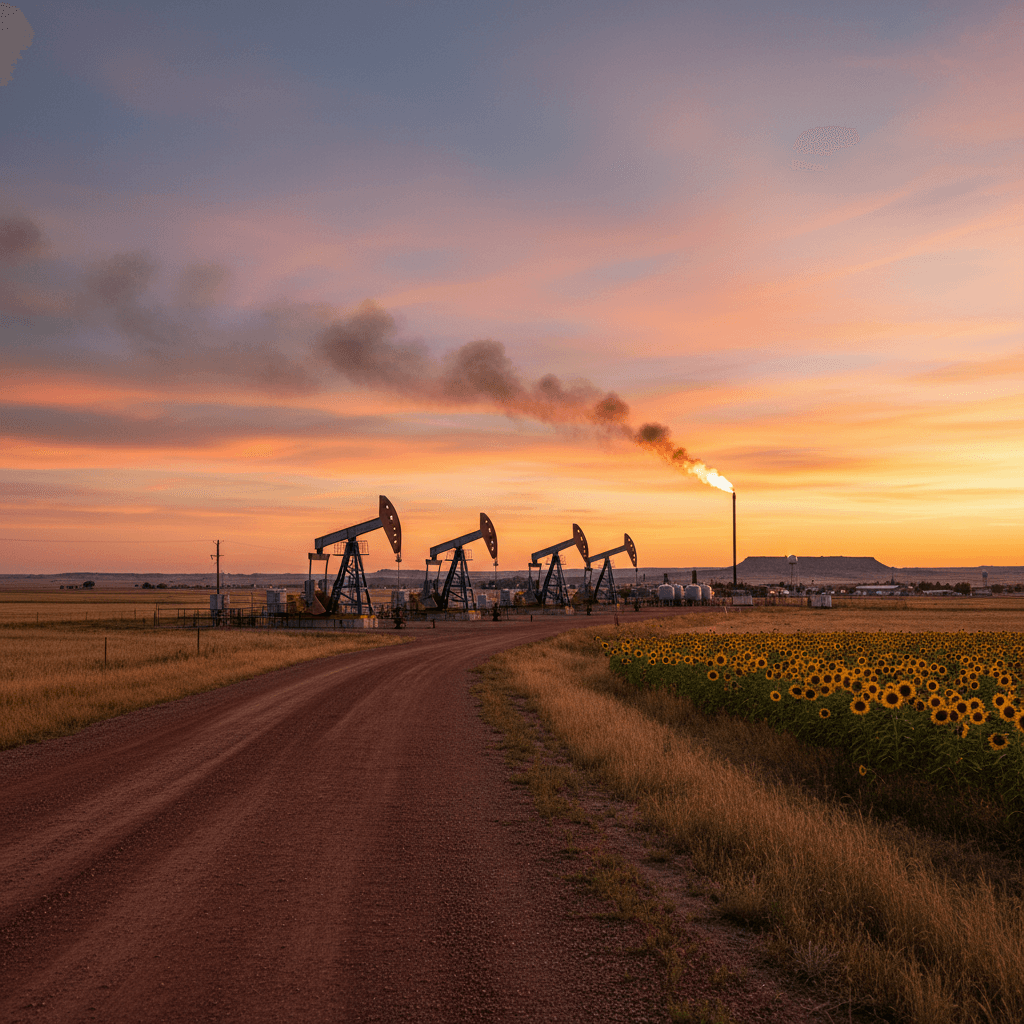
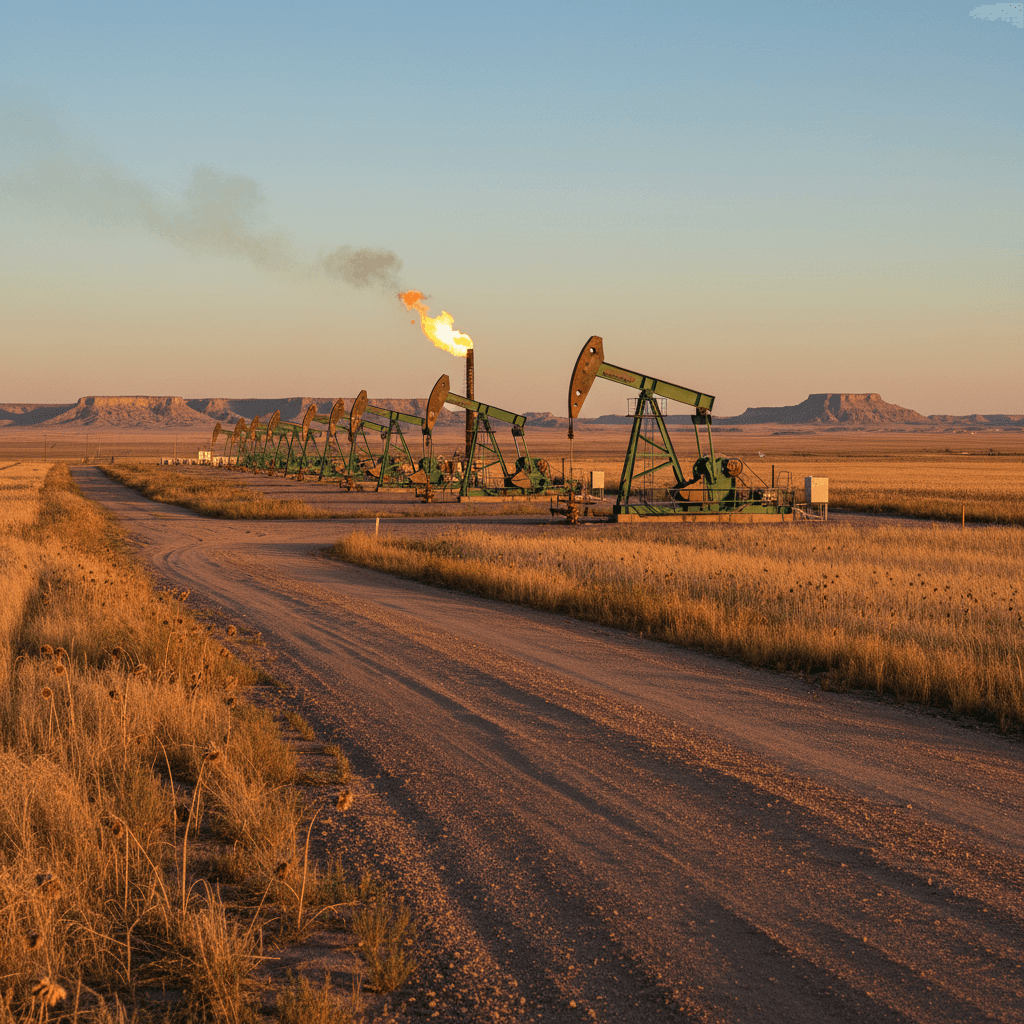
For Bakken operators in North Dakota, a stable or rising WTI price environment is crucial for maintaining drilling economics and production levels. The Bakken formation is a major contributor to U.S. domestic supply, and its output is sensitive to price signals. Geopolitical events that support prices can help offset local operational cost pressures.
The reported strategy of sustained economic pressure, as opposed to immediate military escalation, may contribute to market volatility but could prevent the kind of sharp price spikes that complicate long-term planning for producers. The focus remains on how these global developments translate into the differentials Bakken crude commands at the wellhead.
Market watchers will monitor the situation for any concrete policy announcements that could affect global supply balances. For now, the Bakken industry continues to operate against a backdrop of familiar geopolitical uncertainties that underscore the interconnected nature of the global oil market.
Source
According to Rigzone