
WTI Crude--
Brent Crude--
Natural Gas--
ND Rig Count--
WTI Crude--
Brent Crude--
Natural Gas--
ND Rig Count--
Geopolitical Tensions Threaten $150 Oil; SLB, Japan Adapt - Bakken Wire
Global Markets

Geopolitical Tensions Threaten $150 Oil; SLB, Japan Adapt

Rystad warns of price spike if U.S.-Iran ceasefire fails, while industry players and importers seek new strategies.

Bakken Wire Staff·☀️Morning Wire·

Oil prices could spike to $150 per barrel if the fragile U.S.-Iran ceasefire collapses, according to intelligence firm Rystad Energy. The Norway-based firm said renewed hostilities would deepen supply shut-ins in the Middle East, with war risk and a near-closed Strait of Hormuz pressuring upstream production, OilPrice.com reported.

Early on Thursday, oil prices spiked in Asian trade as the U.S. carried out strikes in Iran, and Tehran declared the Strait of Hormuz closed again. The escalation, seen as the most serious test of a ceasefire in place since early April, began Tuesday with the downing of a U.S. Apache helicopter near the Strait. U.S. Central Command disabled a tanker in the Gulf of Oman that tried to break the U.S. blockade.

Traffic through the critical chokepoint has plummeted, with current estimates at about 2 million barrels per day (bpd), just one-tenth of pre-war volumes. Vessels are increasingly switching off transponders, complicating market tracking of actual supply flows.

ExxonMobil Senior Vice President Neil Chapman warned at a late-May conference that global inventories are nearing "really, really low levels," and models suggest dated Brent crude could shoot up to $150-$160 per barrel once that point is reached, OilPrice.com reported.

In other global developments, oilfield services giant SLB signed a long-term contract with Venezuela’s PDVSA to reverse production declines and modernize the country's industry with a focus on artificial intelligence. SLB CEO Olivier Le Peuch said realizing Venezuela's resource potential would require technology and digital integration. The deal follows a U.S. takeover of Venezuela's oil sector and a surge in the country's exports, which hit a seven-year high of 1.25 million bpd in May, with the U.S. as the top buyer.

Meanwhile, Japan has secured July oil import volumes equal to last year's by tapping strategic reserves and diversifying suppliers away from the Hormuz-dependent Middle East. Japan, which previously relied on the Middle East for 95% of its oil, imported a record-low volume from the region in April. It is now boosting imports from the United States, Azerbaijan, South Sudan, and Russia's Sakhalin. As part of an International Energy Agency-coordinated release, Japan is drawing down 80 million barrels from its national reserves to help domestic refiners.

These global shifts highlight a tightening physical market and strategic pivots that could influence demand for Bakken crude. North Dakota producers face a landscape where geopolitical risk threatens extreme price volatility, while competitors like Venezuela are seeking to ramp up production with international help.

Source

OilPrice.com (articles titled "Oil Could Hit $150 If U.S.-Iran Ceasefire Collapses," "SLB Lands Major Deal to Help Rebuild Venezuela’s Oil Industry," and "Japan Taps Reserves and New Suppliers to Beat the Oil Blockade," all published June 11, 2026)
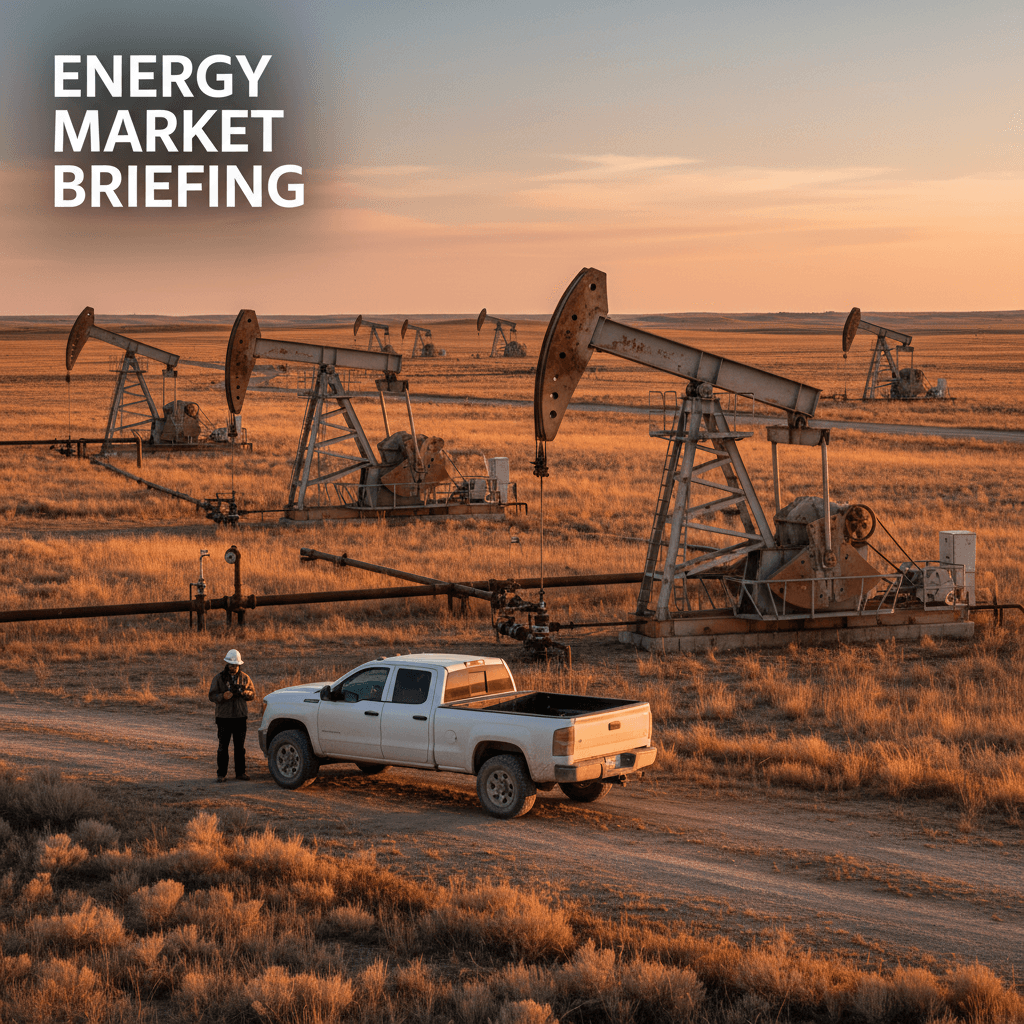
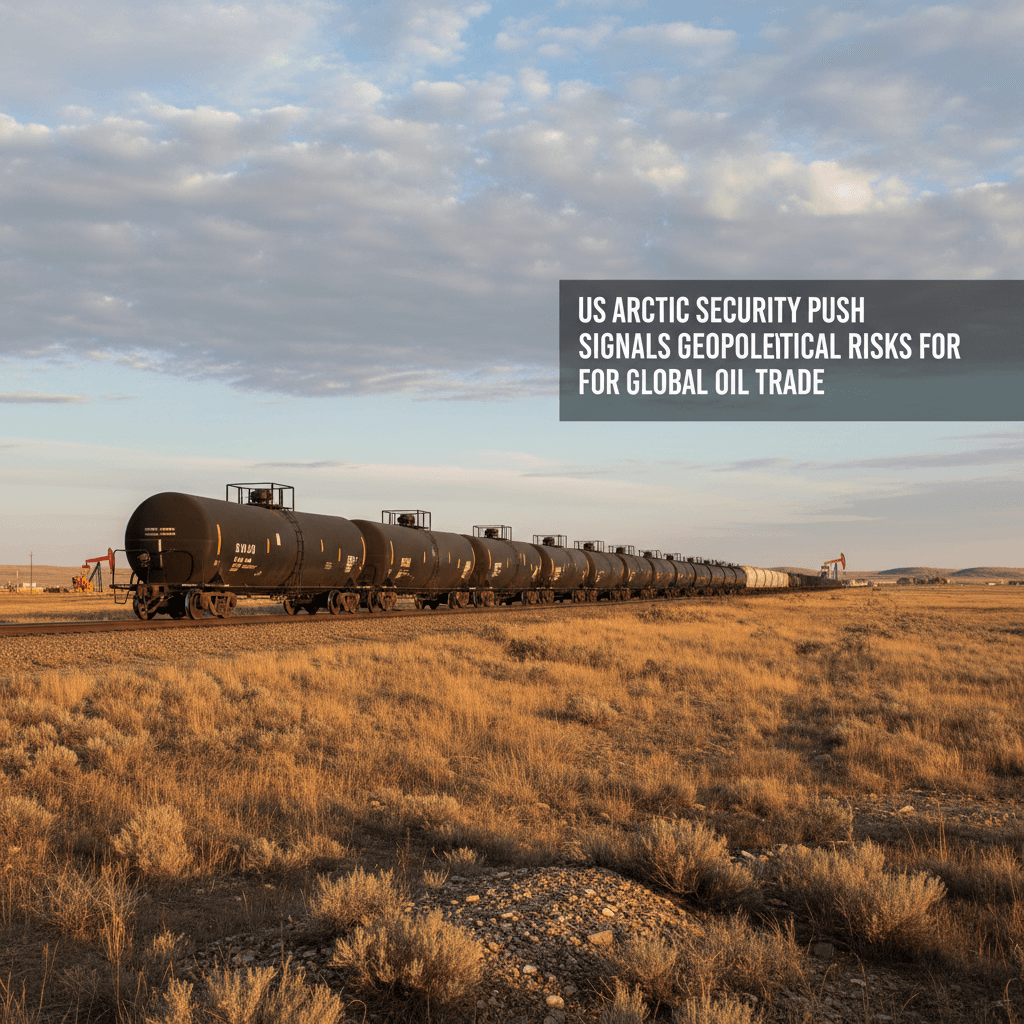
geopoliticsoil pricesstrait of hormuzvenezuelaslbjapansupply disruption

Share this article

Related Articles

The Afternoon Take - Energy Market Briefing
Global Markets

Energy Market Briefing

Afternoon Energy Market Briefing | Sunday, August 23, 2026 1. Headlines Oil prices are flat in Sunday trading, with WTI at $87.06 and Brent at $94.39. The Bakken differential to WTI is holding steady at -$3.42. Natural gas is at $2.81. Rig activity in the monitoring area is unchanged, with 34 active rigs. The main reported developments are geopolitical and operational. According to Rigzone, crude prices have been rallying as Asian demand strengthens and the conflict with Iran continues to constrain global supplies. In a related development, the semi-official Iranian Students' News Agency reports that Iran's President Masoud Pezeshkian has urged an end to the war while refusing to call defeat. Elsewhere, ExxonMobil is warning of a looming production decline at Kazakhstan's top oilfield, Tengiz, and is seeking to invest billions to cushion the slide at the nearby Kashagan development. U.S. refiners are also reportedly facing a looming supply drop...

🌅Afternoon Wire·Aug 23
The Midday Take - Energy Market Briefing
Global Markets

Energy Market Briefing

Daily Energy Market Briefing Sunday, August 23, 2026 1. Headlines Oil prices are ticking higher today, with Brent Crude up 0.65% to $94.39 and WTI gaining 0.26% to $87.06. The Bakken differential stands at -$3.42 versus WTI. Headlines are focused on geopolitical tensions and supply constraints. According to Rigzone, crude has extended its rally as Asian demand strengthens while the conflict with Iran continues to constrain global supplies. A separate Rigzone article notes that U.S. refiners are facing a looming supply drop from their biggest foreign crude supplier at a critical time. Other significant reports include a major equipment shortage. OilPrice.com details that lead times for heavy-duty gas turbines from major manufacturers like GE Vernova now stretch to 2031, creating a severe bottleneck for new power generation projects, particularly for the booming data center industry. 2. What's Really Happening The market is holding steady at elevated levels, but today's price...

🔆Midday Wire·Aug 23
The Morning Take - Energy Market Briefing
Global Markets

Energy Market Briefing

Energy Market Briefing for Bakken Wire Sunday, August 23, 2026 1. Headlines Oil prices are higher this morning, with Brent crude leading gains. WTI is up 0.26% to $87.06, while Brent rose 0.65% to $94.39. The price strength is being attributed by financial press to ongoing tensions from the U.S. war with Iran, which are seen as constraining global supplies, and to strengthening Asian demand (Rigzone). The Bakken differential to WTI stands at -$3.42. The North Dakota oil sector shows clear positive momentum from higher prices. According to data released this past Thursday, August 20, the state's oil production averaged 1.153 million barrels per day in June, a 2.5% increase from May and slightly above the state's revenue forecast (Bing News). The active rig count has jumped from 26 in mid-July to 33 as of this past week, with five new operators entering the basin. State officials note the June...

☀️Morning Wire·Aug 23