WTI Crude--
Brent Crude--
Natural Gas--
ND Rig Count--
WTI Crude--
Brent Crude--
Natural Gas--
ND Rig Count--
German Utility SEFE Signs Preliminary LNG Deal with Canadian Ksi Lisims Project - Bakken Wire
Global Markets

German Utility SEFE Signs Preliminary LNG Deal with Canadian Ksi Lisims Project

The 20-year supply agreement highlights global LNG demand but may signal competitive pressure for U.S. gas exports, including from the Bakken.

Bakken Wire Staff·🌅Afternoon Wire·

German state-owned utility SEFE has signed a preliminary agreement to source liquefied natural gas from Canada's Ksi Lisims LNG project, according to a report from Rigzone. The deal would supply SEFE with 1 million metric tons per annum of LNG for up to 20 years.

The agreement represents the first LNG supply booking for SEFE from Canada, Rigzone reported. The Ksi Lisims project is a proposed LNG export facility on Canada's west coast.

For Bakken operators, the development underscores the robust global demand for natural gas, particularly from European buyers seeking long-term, secure supply. However, it also highlights the increasing competition in the LNG export market. Canada is emerging as a direct competitor to U.S. Gulf Coast and potentially future U.S. West Coast LNG terminals for supplying European and Asian markets.

Gas produced in the Bakken formation is primarily consumed within North America or exported via pipeline. While the region does not currently have direct access to LNG export facilities, the economics of the broader North American gas market are influenced by international LNG trade. Increased Canadian LNG export capacity could alter continental gas flow patterns and pricing dynamics.

Any shift in demand or supply routes can indirectly impact the wellhead price for Bakken natural gas, which is a significant revenue stream for operators and royalty owners in North Dakota. The long-term nature of the SEFE agreement signals a commitment by European buyers to diversify supply sources beyond traditional suppliers, potentially affecting future market share for U.S.-origin LNG.

The news follows a period of heightened European demand for non-Russian energy sources. For Bakken producers, the focus remains on domestic pipeline markets and the value of associated gas produced alongside the region's prolific oil output.

Source

Rigzone
lngnatural gasexport marketscanadaglobal demandsefe

Share this article

Related Articles

The Afternoon Take - Energy Market Briefing
Global Markets

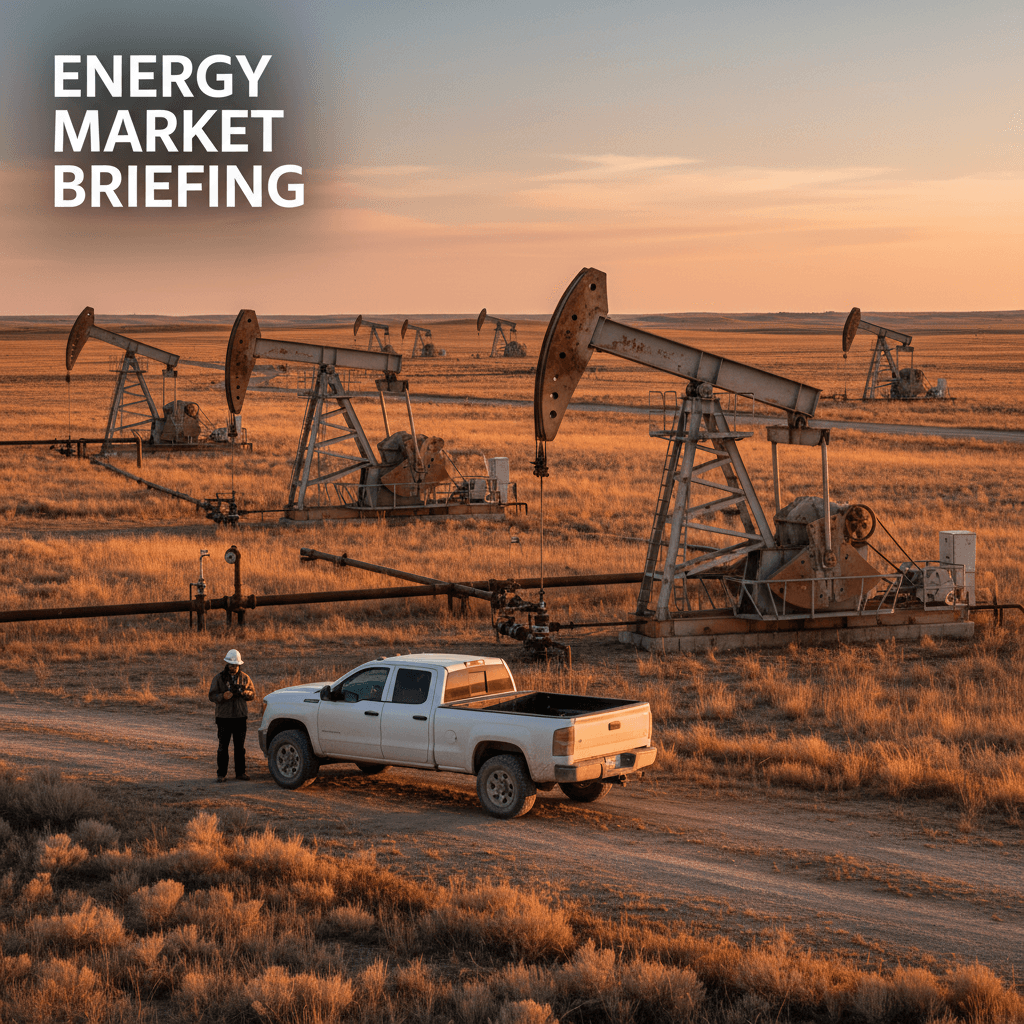
Energy Market Briefing

Date: Wednesday, October 7, 2026 1. Headlines Oil prices are mixed today, with WTI crude dipping 0.53% to $88.97 while Brent gained 0.4% to $100.98, according to price data. Natural gas rose to $3.21. Rigzone reports the dip in WTI is attributed to recovering Middle East oil exports, even as threats to shipping in the Strait of Hormuz persist. Brent remains anchored near $100 as traders weigh these competing factors. In corporate news, Cenovus Energy announced a definitive agreement to acquire Athabasca Oil Corporation in a deal worth $4 billion, as reported by Rigzone. Meanwhile, the financialization of the market continues, with Kalshi Inc. filing a proposal with the CFTC for an oil-linked futures contract that never expires. Shell expects strong Q3 trading results due to record refining margins, a sign of the ongoing global fuel crunch. Geopolitical and weather risks are prominent. Iraq devalued its currency by 13% as...

🌅Afternoon Wire·Oct 7
Global Markets

Global Diesel Crisis Spurs Export Talk, Impacts Bakken Economics

A global diesel supply crunch is fueling a new wave of energy nationalism, creating a complex price environment for Bakken crude oil producers. According to OilPrice.com, governments worldwide are prioritizing domestic fuel supply, with China imposing a fuel export ban this month and Russia maintaining a diesel export ban. The United States recently threatened Europe with a similar diesel export ban to pressure the release of fuel from strategic reserves. The crisis, analysts warn, stems from the ongoing war involving the United States, Israel, and Iran, which has hurt fuel supplies more than crude oil. Diesel crack spreads—the profit margin for refining crude into diesel—hit an all-time high exceeding $100 per barrel in September. While the U.S. eventually dropped the idea of a ban after securing a commitment from the EU to release 100 million barrels of crude and fuel, diesel prices remain elevated. The U.S. national average was $6.3151...

🌅Afternoon Wire·Oct 7
US Arctic Security Push Signals Geopolitical Risks for Global Oil Trade - Bakken Wire
Global Markets

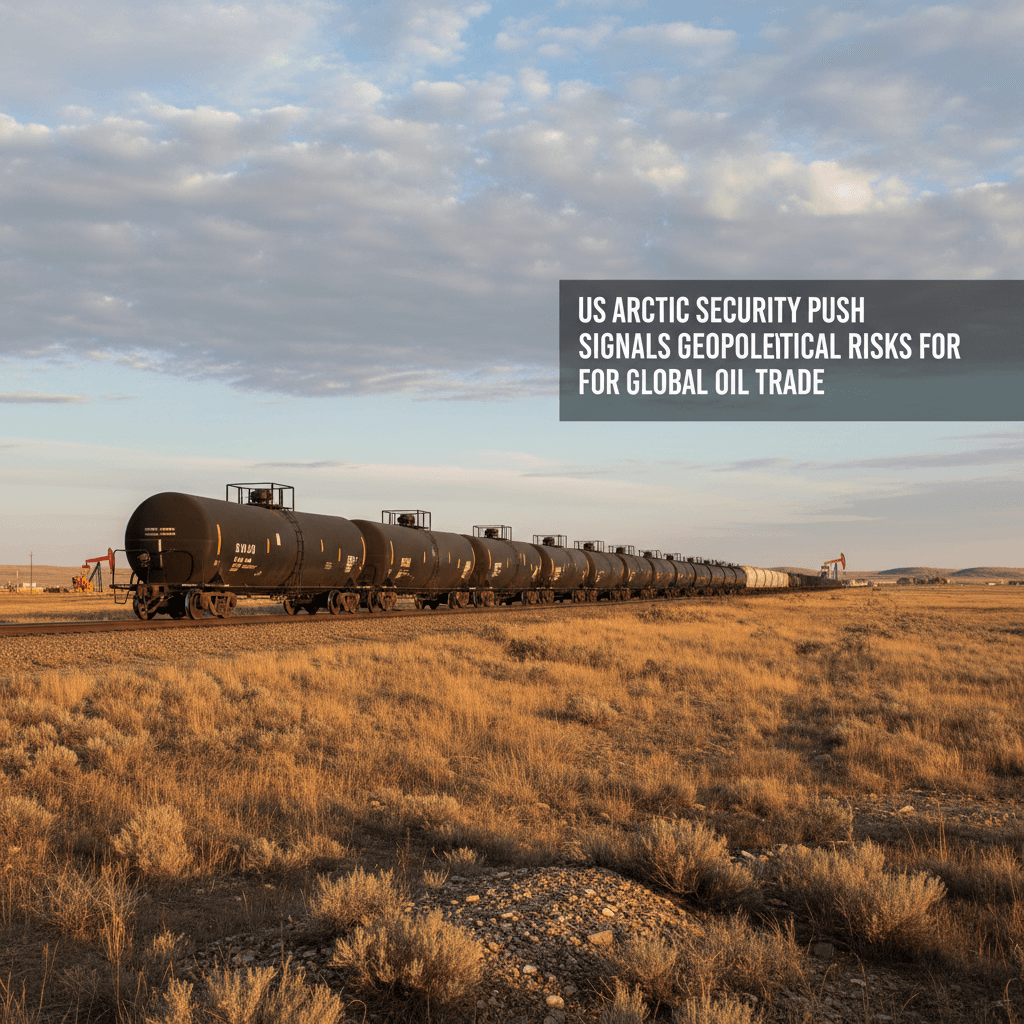
US Arctic Security Push Signals Geopolitical Risks for Global Oil Trade

U.S. Secretary of State Marco Rubio warned that American adversaries are accelerating their activities in the Arctic, signaling a renewed U.S. focus on a region of growing strategic importance for global energy security and trade. According to OilPrice.com, Rubio made the comments during a visit to Iceland, the first stop on a three-nation tour of NATO allies. Standing alongside Iceland's foreign minister, Thorgerour Katrin Gunnarsdottir, Rubio cast Iceland as a critical link in the defense of North America and Europe. “Iceland sits at the center of many of the questions surrounding the security and defense of our shared region,” Rubio said. “Those threats are growing, which is why this focus on the Arctic in general and Iceland, in particular, is so critical.” The trip comes as Russia's military and covert capabilities and China's expanding Arctic ambitions drive greater attention to the north, OilPrice.com reported. For Bakken operators and North Dakota's...

🔆Midday Wire·Oct 7