Global Biofuel Revival, Gas Deals Signal Shifting Energy Landscape for Bakken
Rising oil price volatility and long-term supply contracts abroad highlight competing pressures on North Dakota's crude market.
Interest in biofuels is reviving globally in 2026, driven by significant fossil fuel price volatility following the closure of the Strait of Hormuz, according to an OilPrice.com report. This renewed focus on alternatives like sustainable aviation fuel (SAF) comes as major oil firms, including several active in the Bakken, had previously committed to biofuel production.
The International Energy Agency (IEA) had projected biofuel use needed to increase significantly to meet net-zero targets, with demand reaching 4.3 exajoules in 2022. However, growth expectations have moderated. The OECD anticipated in late 2025 that global biofuel use would increase by just 0.9% per year over the coming decade, a slowdown from previous years attributed to electric vehicle adoption and weaker policy support in high-income countries.
For Bakken operators, the fluctuating but persistent investment in biofuels represents a long-term competitive pressure on traditional crude demand, particularly in hard-to-decarbonize sectors like aviation that biofuels aim to serve. The recent price spike due to Middle East disruptions underscores the market instability that makes alternative fuels more attractive.
Meanwhile, a separate long-term supply deal underscores a global pivot toward securing energy resources. Australian firm Santos secured a 10-year agreement to supply gas to South Australia, a deal the government said will support energy security and industrial future, according to Rigzone. This follows a pattern of nations seeking stable, contracted energy supplies.
In another move affecting global oil flows, Russia's subsidy payouts to oil refiners that supply domestic markets jumped more than six-fold in June from a year earlier, Rigzone reported. Such subsidies can incentivize Russian crude to be processed domestically rather than exported, potentially tightening global refined product supplies and supporting international benchmark prices that Bakken crude prices follow.
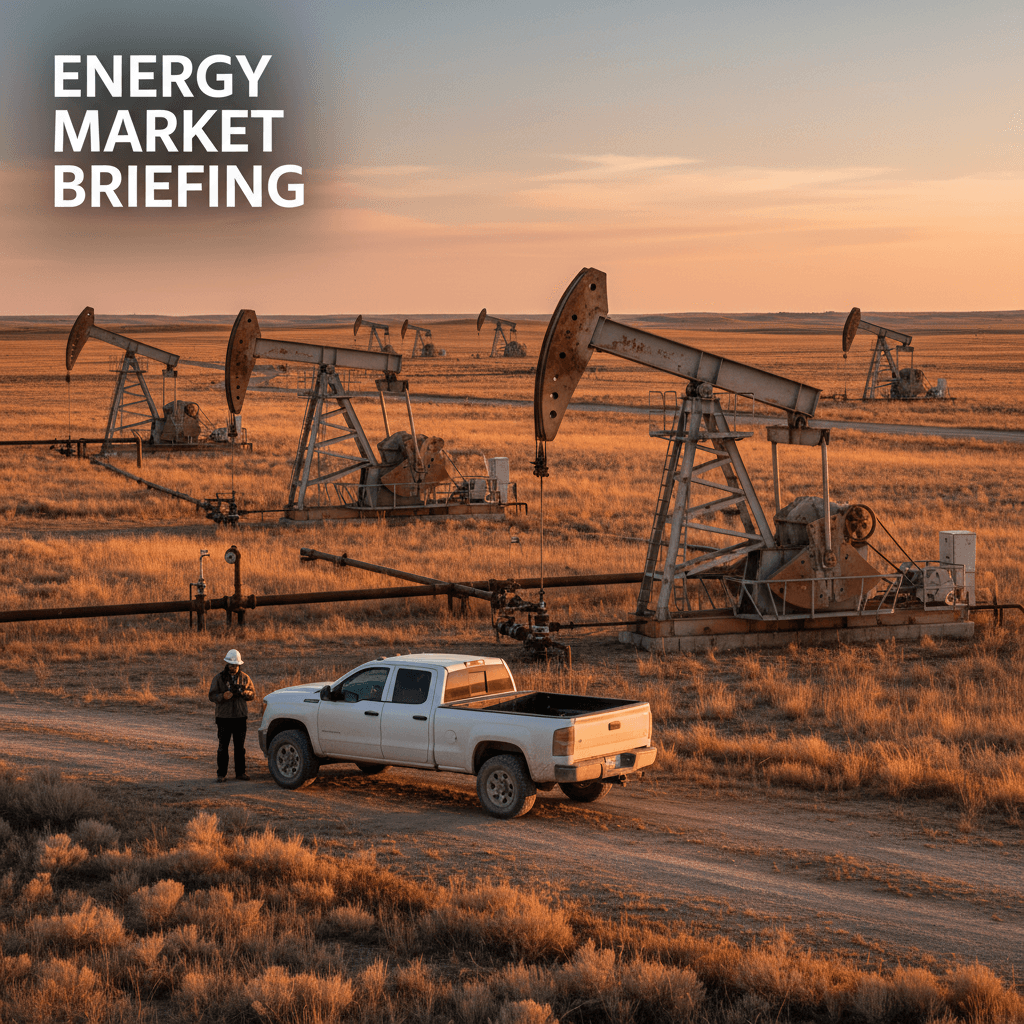
For North Dakota's oil industry, these global developments present a mixed picture. The immediate price support from geopolitical disruptions and refinery policies is tempered by the structural, long-term shift signaled by revived biofuel investment and strategic gas contracts. Bakken production, which is heavily linked to global crude prices, benefits from near-term volatility but must navigate an evolving energy landscape where alternatives gain ground during periods of high oil prices.
Source
OilPrice.com, Rigzone