Global Conflict Fuels Oil Price Surge; Bakken Crude Sees Rare Pricing Premium
Houthi attacks in the Red Sea and broader Middle East tensions drive Brent toward $100, while a recent pricing anomaly boosted North Dakota tax revenue.
Global oil prices are rocketing towards $100 per barrel, adding more than $14 in just a week, according to Rigzone. The surge comes amid a significant escalation of conflict in key Middle Eastern shipping lanes, directly impacting global crude flows and market volatility.
Two China-owned and operated tankers loaded with Saudi crude continued to travel in the Red Sea toward the Bab el-Mandeb Strait on Thursday despite overnight Houthi attacks on Saudi vessels, OilPrice.com reported, citing ship-tracking data. The Houthi group claimed responsibility for attacks on two Saudi tankers, with maritime security reports indicating the Saudi-flagged tanker Encelia had been struck. The Iran-backed group announced an expanded campaign targeting Saudi oil shipments through the Bab el-Mandeb, a critical chokepoint for crude rerouted from the Strait of Hormuz.
The Middle East conflict intensified after the U.S. military launched its 12th consecutive wave of strikes against Iranian military targets, OilPrice.com reported. Early on Thursday, at least two tankers turned away from the Bab el-Mandeb Strait following the attacks and the Houthi declaration of a naval blockade. According to reports, one tanker was loaded with Saudi crude for India and another was carrying oil to China.
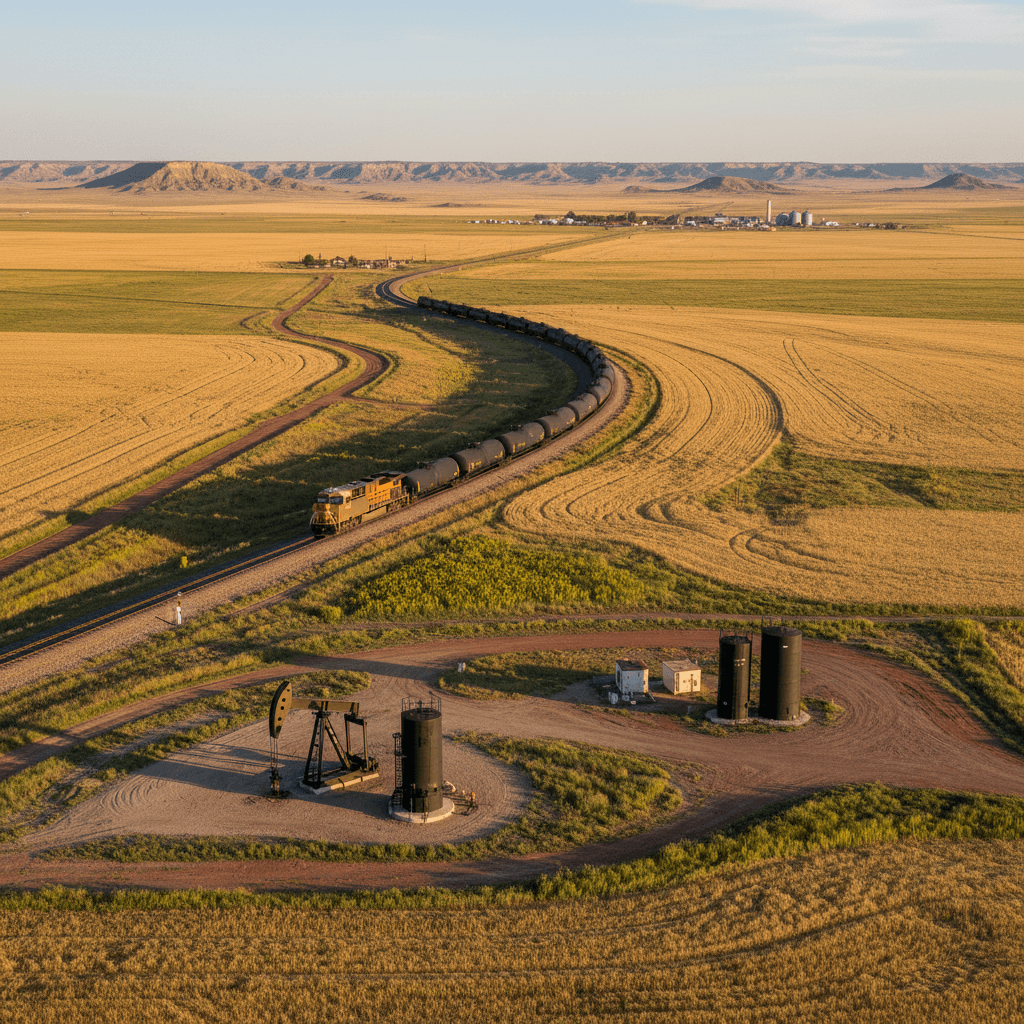
This geopolitical instability is translating directly into higher benchmark prices, which benefit Bakken producers. The price surge follows a rare pricing event for North Dakota crude in May. According to Bing News, North Dakota oil fetched a high premium for the first time in 40 years that month. The state collected an estimated $29 million more in oil tax revenue in May as a result of the pricing anomaly, the source reported.
For Bakken operators, the combination of spiking global benchmarks and the potential for strengthened regional price differentials creates a favorable revenue environment. The disruption of Saudi crude shipments via the Red Sea could increase global reliance on other supply sources, including U.S. shale. The recent premium for North Dakota crude, while anomalous, highlights how constrained transportation or sudden market shifts can directly benefit the basin's wellhead economics.
The situation remains fluid. The Houthis claim to have forced at least nine ships to turn back from the Bab el-Mandeb Strait, according to Iranian state media. As long as the threat to navigation persists in this vital corridor for Middle East crude, market volatility and elevated price risk premiums are likely to continue.
Source
OilPrice.com, Bing News, Rigzone