Global Conflicts Disrupt Oil Trade, Bolstering Bakken's Strategic Position
Attacks on Russian export terminals and Middle East facilities underscore the reliability of North Dakota's secure, land-based production.
A drone attack sparked a fire at Russia's key Baltic Sea oil export terminal in Ust-Luga early Friday, according to OilPrice.com, marking the latest strike on Russian energy infrastructure by Ukraine. Alexander Drozdenko, governor of Russia’s Leningrad region, confirmed the attack and subsequent fire on Telegram, stating that all consequences had been eliminated with no victims.
This incident intensifies a campaign that has significantly curtailed Russian fuel exports. OilPrice.com reported that Russia’s diesel and gasoil exports crashed to just 80,000 barrels per day in the first week of August, the lowest in years. The persistent attacks have forced Russia to curb fuel exports and even begin importing gasoline, with a 42,000-ton cargo arriving from India this month.
Concurrently, geopolitical instability is spreading across the Middle East, further pressuring global supply chains. Yemen’s Houthis claimed a drone attack on Saudi Aramco’s Jazan refinery on Thursday, according to OilPrice.com. Separately, Iran attacked two vessels linked to the UAE's ADNOC in the Strait of Hormuz on Thursday.
These events highlight the mounting vulnerabilities in global maritime oil routes and export hubs. For Bakken producers, the disruption to Russian refined product exports and ongoing Middle East tensions reinforce the value of stable, North American production. Landlocked North Dakota's output is insulated from the maritime blockades and port attacks currently plaguing other regions.
In a related development, Syria's oil sector is reviving, weakening Russian influence there, OilPrice.com reported. Damascus has recovered key oil fields including Omar and Tanak, with crude now flowing to the Baniyas refinery. This shift could further dilute Russia's energy market leverage over the long term.
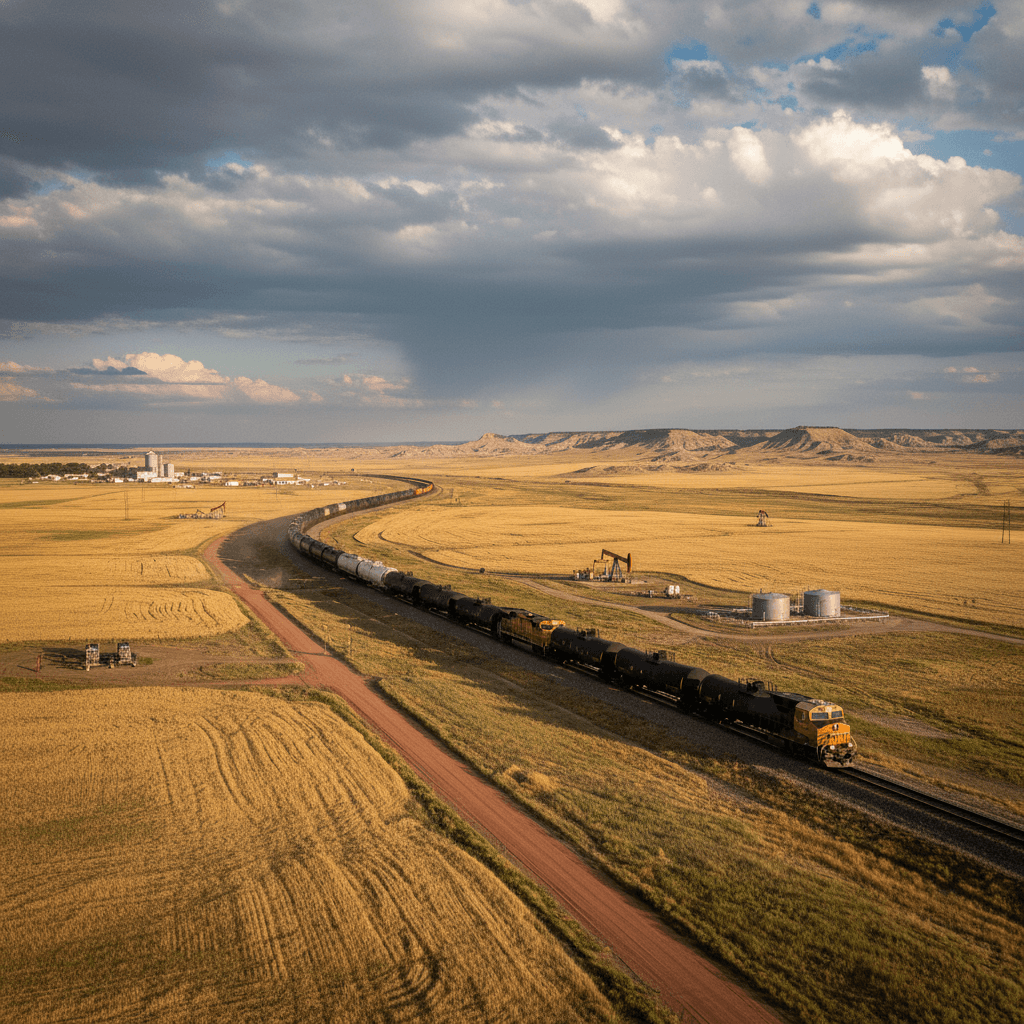
For the Williston Basin, the immediate impact is a global market structure where secure supplies command a premium. While the Bakken primarily exports crude, the collapse in Russian diesel exports underscores global refining capacity constraints, supporting margins for complex refiners that process Bakken crude. The ongoing conflicts validate the strategic importance of the basin's extensive pipeline network and domestic rail logistics, which are less susceptible to the geopolitical crossfire currently engulfing sea lanes and foreign export terminals.
Source
OilPrice.com