Global Disruptions Threaten Oil Prices, Inflation Amid Bakken Stability
Red Sea bottlenecks, a super El Niño, and Central Asia's gold boom create a volatile macroeconomic backdrop for North Dakota producers.
A sustained Houthi blockade at the Bab El Mandab Strait is exposing a critical weakness in Saudi Arabia's energy security strategy, creating a new global oil bottleneck with implications for market volatility. According to an OilPrice.com report, Saudi Arabia's primary export workaround—the East-West Pipeline to the Red Sea port of Yanbu—is undermined because tankers leaving Yanbu still must navigate the now-inaccessible Bab El Mandab. For Asian-bound cargoes, the only alternative is a massively elongated route north through the Suez Canal and around the Cape of Good Hope, increasing transit times and costs for global energy markets.
This logistical crisis coincides with a warning from JPMorgan that a potential "super" El Niño weather pattern, combined with ongoing oil supply shocks, could reignite global inflation. The bank puts the odds of a strong El Niño persisting into 2027 at 97%. Such an event typically disrupts global food production, and when layered with oil prices above $100 per barrel, could increase global food inflation by 1.3 to 1.5 percentage points. Brent crude surpassed $100 this week due to fighting around the Strait of Hormuz and the Red Sea attacks, compounded by supply cuts from Kazakhstan after drone attacks on a key Black Sea terminal.
The resulting pressure on diesel prices is particularly acute, with Middle Eastern and Russian refining capacity constrained and global refining margins near record highs. JPMorgan notes emerging markets like India and Brazil are most exposed, but advanced economies will also face higher costs through fuel, fertilizer, and transportation. For Bakken operators, this environment underscores the premium on stable, domestic production from a geopolitically secure region, even as it raises the cost of inputs and potentially cools global economic demand.
In a related global commodity shift, soaring gold prices near $4,000 an ounce are transforming economies in Central Asia, a separate OilPrice.com report states. Uzbekistan's exports hit a record $33 billion in 2025, with gold comprising $9.9 billion of that total. In Kyrgyzstan, gold makes up about 75% of state reserves, while in Kazakhstan, gold is the second most valuable export after crude oil. This boom has increased government spending and borrowing capacity, though economists warn of renewed dependence on a single commodity.
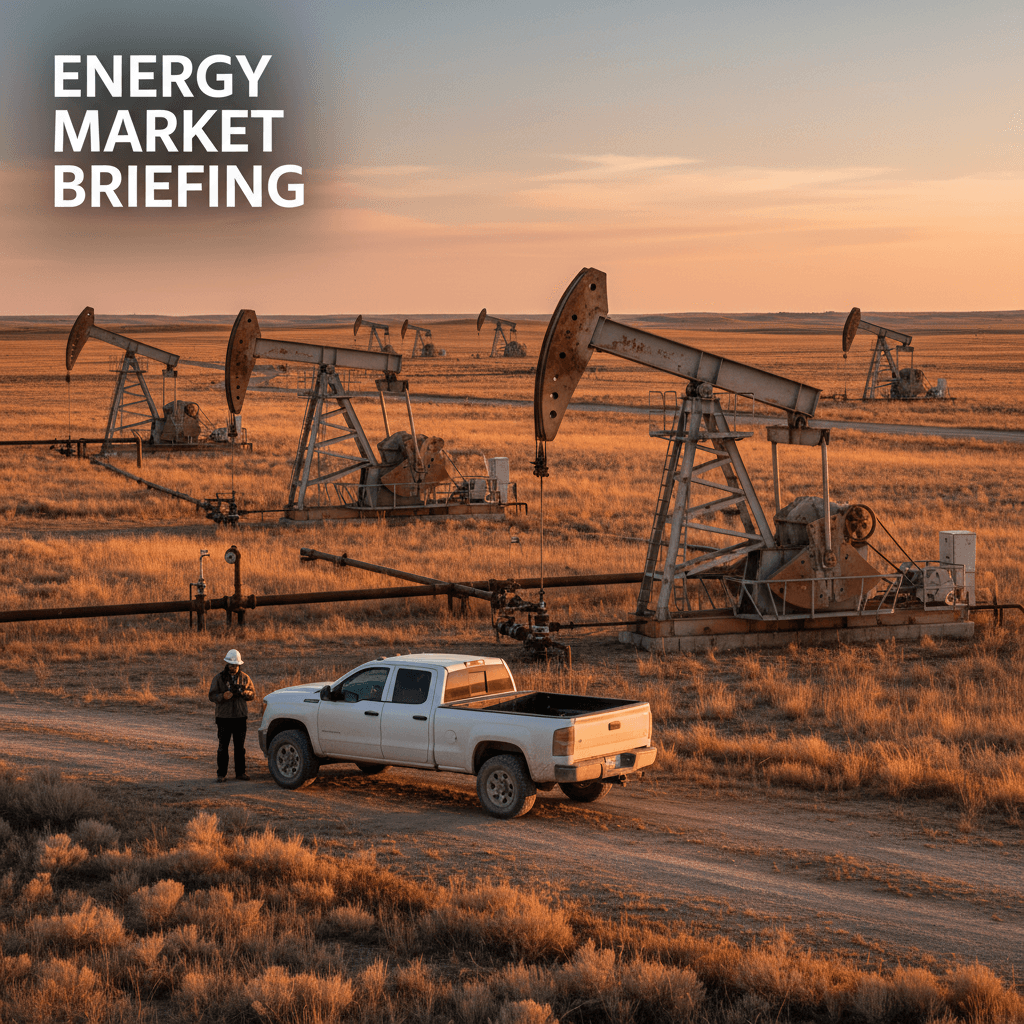
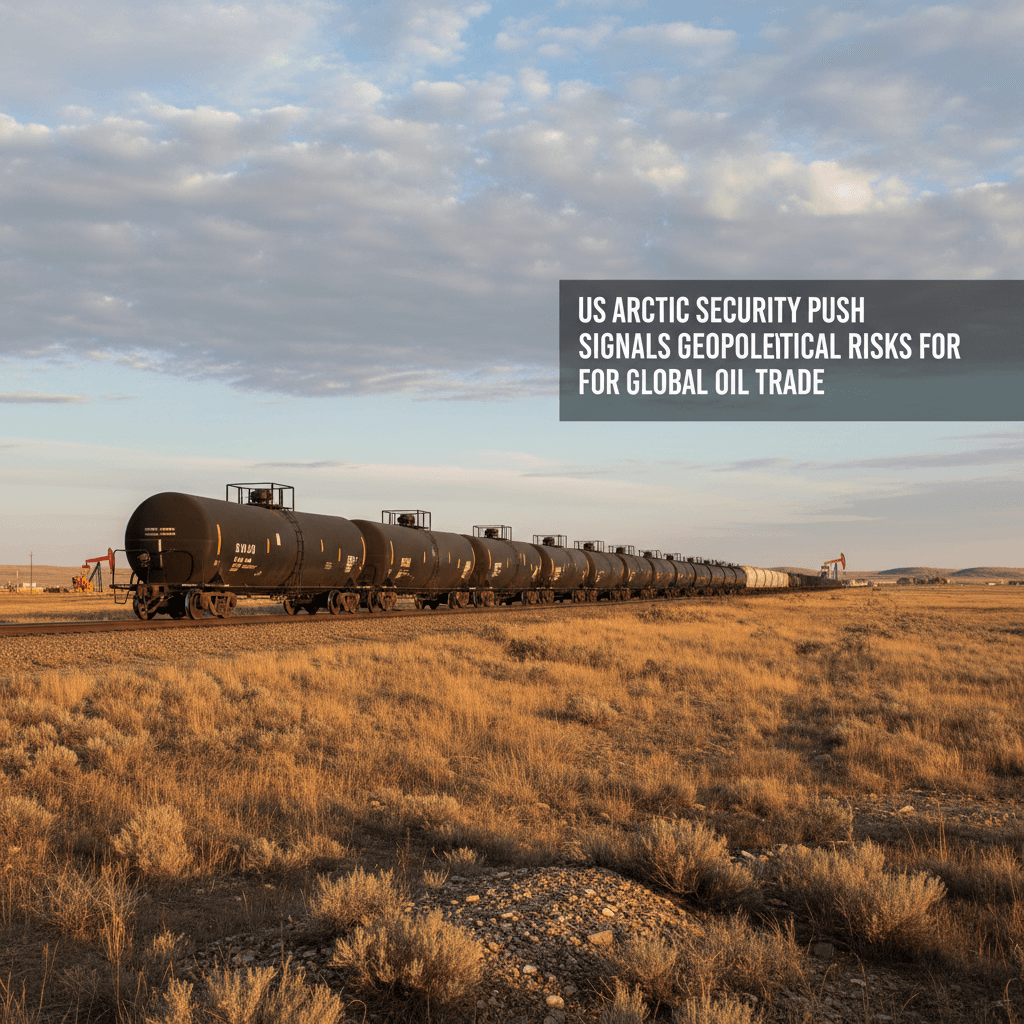
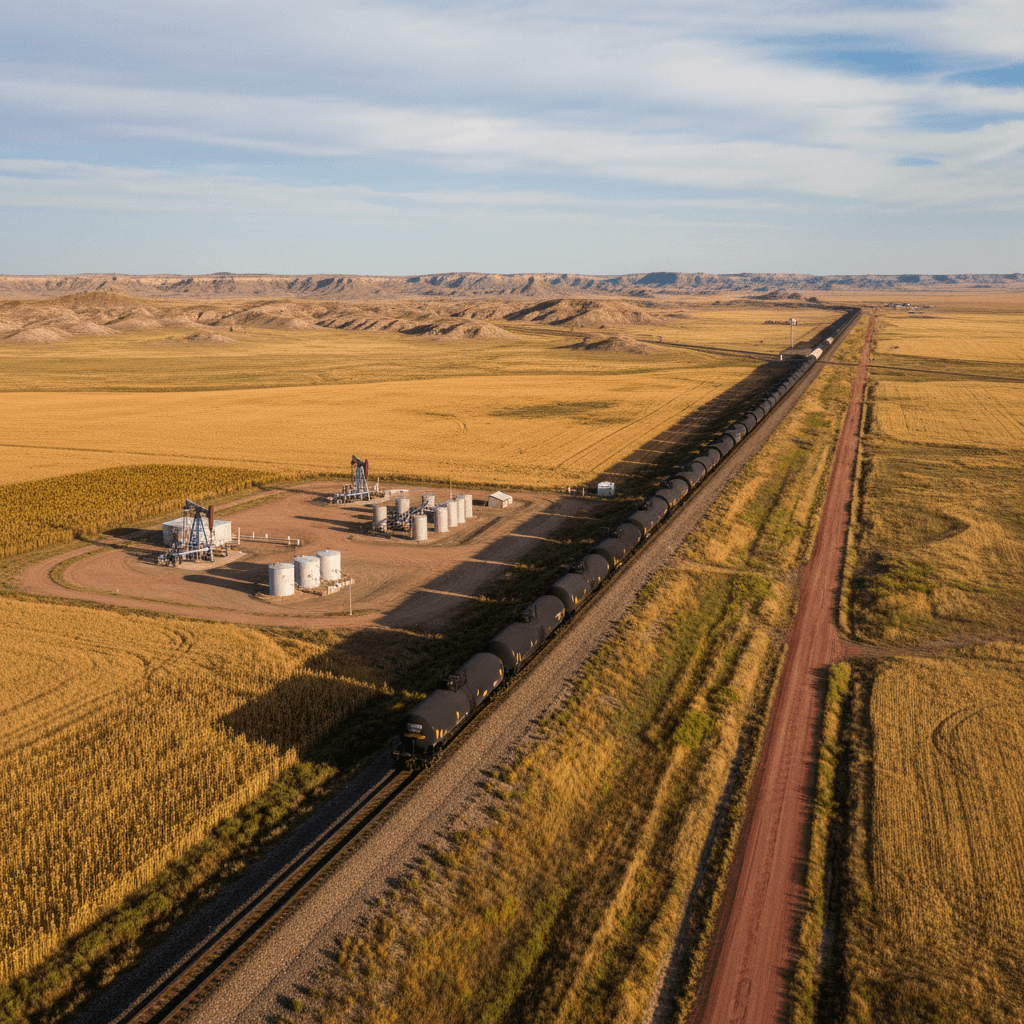
For the Bakken, the interconnected stories highlight an external market defined by transportation vulnerabilities and inflationary pressures. While North Dakota's crude flows via pipeline and rail, avoiding maritime chokepoints, the global price spikes and supply constraints reinforce the strategic value of inland production. However, the potential for an inflation-driven economic slowdown presents a demand-side risk that operators will continue to monitor.
Source
According to reports from OilPrice.com published July 24, 2026.