Global Energy Crises Lift Demand for Secure Supply as Wind Sector Struggles
Strains on Middle East oil and European gas highlight value of stable production, while GE Vernova's results show wind weakness.
Geopolitical tensions threatening the Strait of Hormuz are forcing a strategic realignment in Asia and tightening global energy supplies, according to an analysis from OilPrice.com. The strait, through which roughly a fifth of the world's oil passes, is facing disruptions due to military operations between the United States and Iran, with shipping companies remaining reluctant to transit the route. This is having immediate consequences for energy-dependent regions like Southeast Asia, where countries like the Philippines import over 90% of their oil from the Middle East. Analysts note that even close U.S. allies are seeking to diversify supply, with the Marcos administration expanding discussions for long-term energy cooperation with Russia.
Simultaneously, Europe is heading into winter with its weakest natural gas supply buffer in 15 years, according to a separate OilPrice.com report. European gas storage is only about 54% full, the second-lowest level for this time of year in 15 years. Equinor CEO Anders Opedal said Europe is unlikely to refill storage to even 80% before winter. The continent is facing intense competition for LNG cargoes from Asian buyers, who are absorbing an increasing share of spot shipments as the U.S.-Iran war disrupts flows through the Hormuz Strait. Kpler estimates Asian LNG imports will hit a six-month high in July, while Europe's imports are projected to fall to their lowest since September 2024.
These intersecting crises underscore the premium on secure, reliable energy production from stable regions like North America. While global oil and gas demand is pressured by supply disruptions, the renewable energy sector—specifically wind—is facing significant economic headwinds. GE Vernova raised its full-year revenue forecast on Wednesday, but its wind business posted deeper losses, according to OilPrice.com. The company's wind segment revenue fell 10% year-over-year to $2.03 billion in Q2, with adjusted EBITDA losses widening to roughly $275 million. GE Vernova now expects its wind business to lose roughly $400 million this year.
The wind industry continues to struggle with weak project economics, inflation, and supply chain issues. Offshore wind has been hit particularly hard by project cancellations, permitting delays, and policy uncertainty, including halted leasing and frozen Defense Department reviews affecting over 100 proposed U.S. wind farms under the current administration. Although some policies have been overturned in court, regulatory uncertainty continues to delay projects.
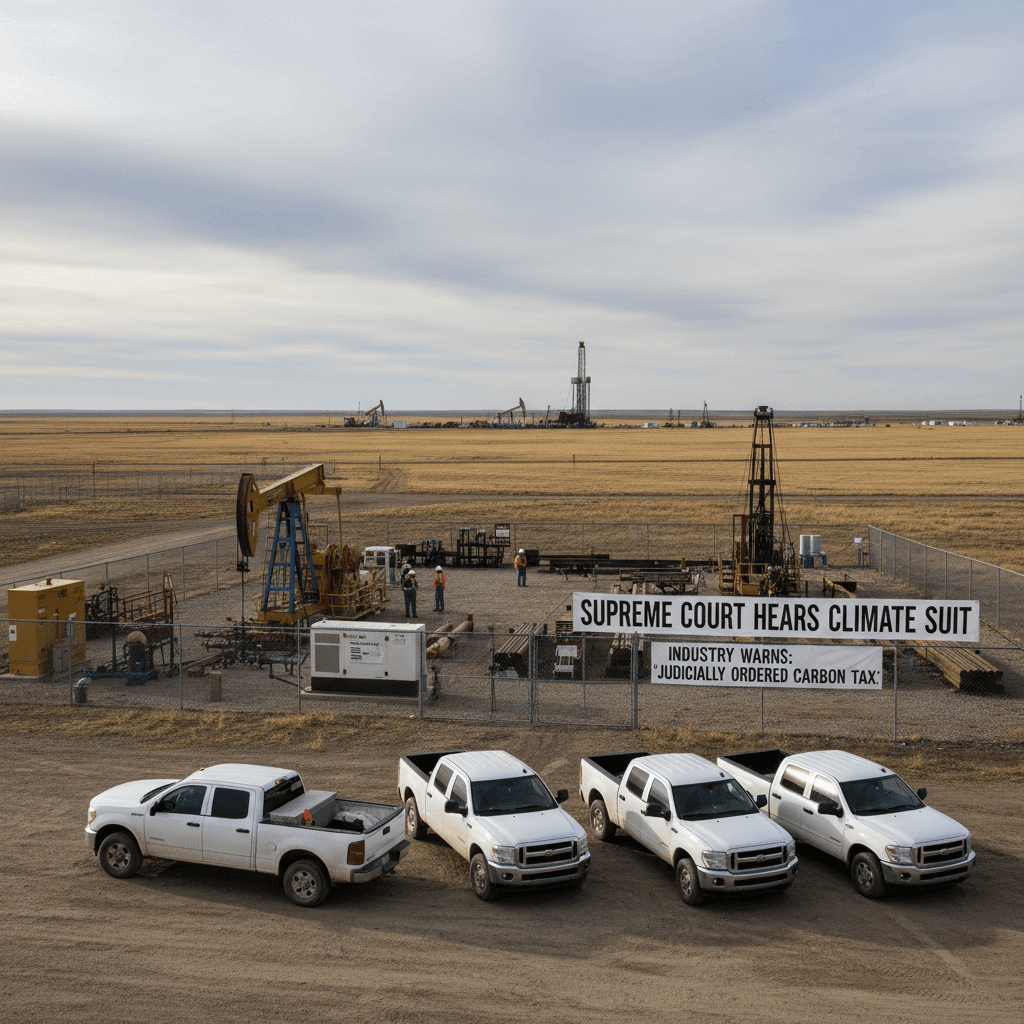
For Bakken operators, the global landscape highlights the strategic value of domestic production from a geopolitically secure basin. The scramble for alternatives to Middle Eastern oil and the structural tightness in global gas markets reinforce demand for U.S. hydrocarbons. The contrasting struggles of the wind sector also illustrate the ongoing challenges for alternative energy sources in meeting base load demand, potentially supporting longer-term reliance on fossil fuels.
Source
According to reports from OilPrice.com published July 22, 2026.