Global Energy Crisis Risks Mount, Highlighting Bakken's Strategic Role
Converging threats of grid stress, geopolitics, and peak oil warnings underscore the value of stable U.S. supply from regions like North Dakota.
The next global energy crisis is emerging from multiple directions, with implications for the stability and strategic importance of supply from the Bakken formation. According to an analysis from OilPrice.com, changing weather patterns, increased grid stress, geopolitical tensions, and conflict have repeatedly converged to send global markets into extreme volatility.
Recent events illustrate the persistent fragility. The closure of the Strait of Hormuz in March 2026 left global oil and gas markets in crisis, exposing Europe's continued dependence on imports. A European diplomat anonymously quoted by the BBC expressed high frustration, stating European leaders were "in a panic over [energy] prices" and "scrambling for short-term solutions," much like during the crisis following Russia's invasion of Ukraine.
The situation worsened during the hottest European summer in recorded history. The heat wave pushed energy grids to the brink, forcing France and Hungary to take nuclear reactors offline due to a lack of cooling capacity. This occurred just when energy demand was at its peak to prevent heat-related deaths.
Further pressure may come from a new threat: peak oil. An August report highlighted by OilPrice.com warns that Europe's next energy catastrophe could stem from a decline in oil and gas exports from key producers.
Asian markets have been heavily impacted by the Strait of Hormuz closure, and developing nations struggle to cope with skyrocketing energy prices. In response, many are rushing to build indigenous clean energy, but this creates new vulnerabilities. In Southeast Asia, solar energy is being built out faster than grids can support, and development relies on components largely controlled by China.
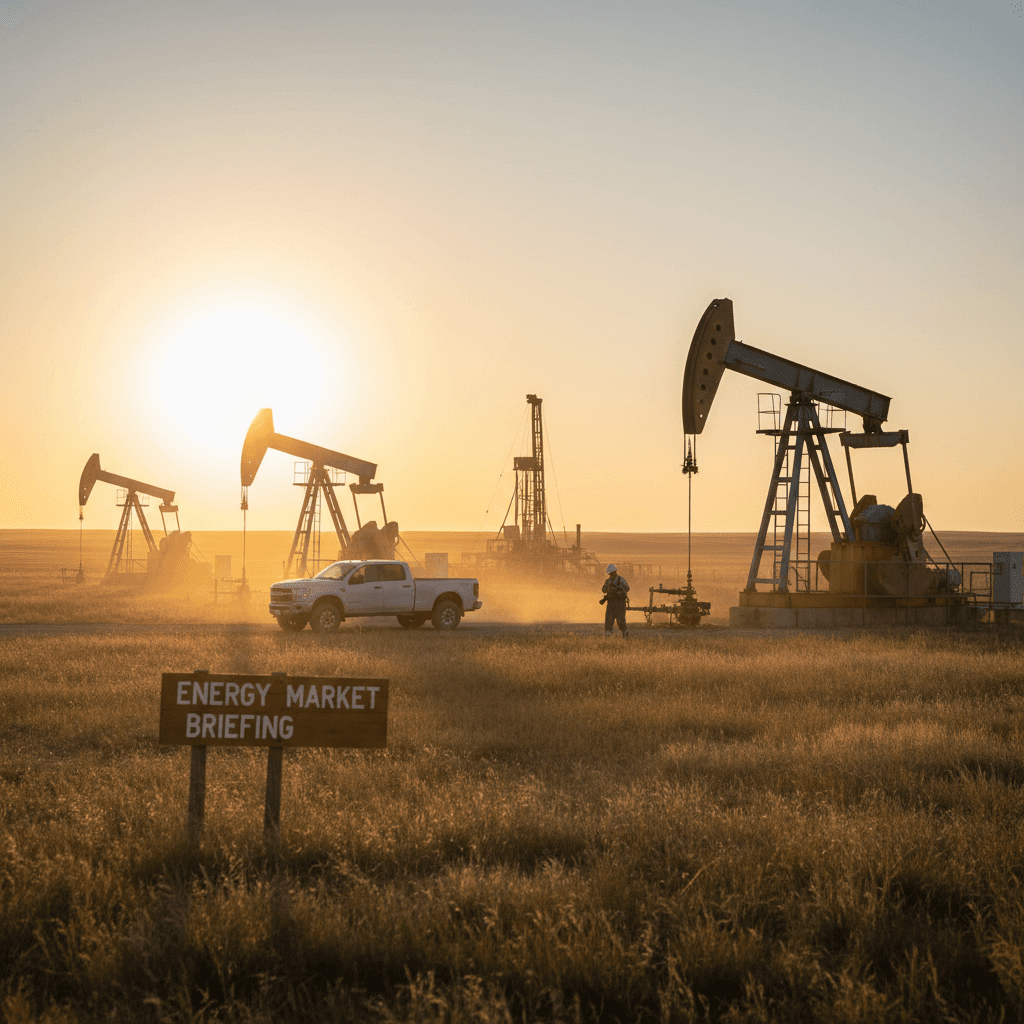
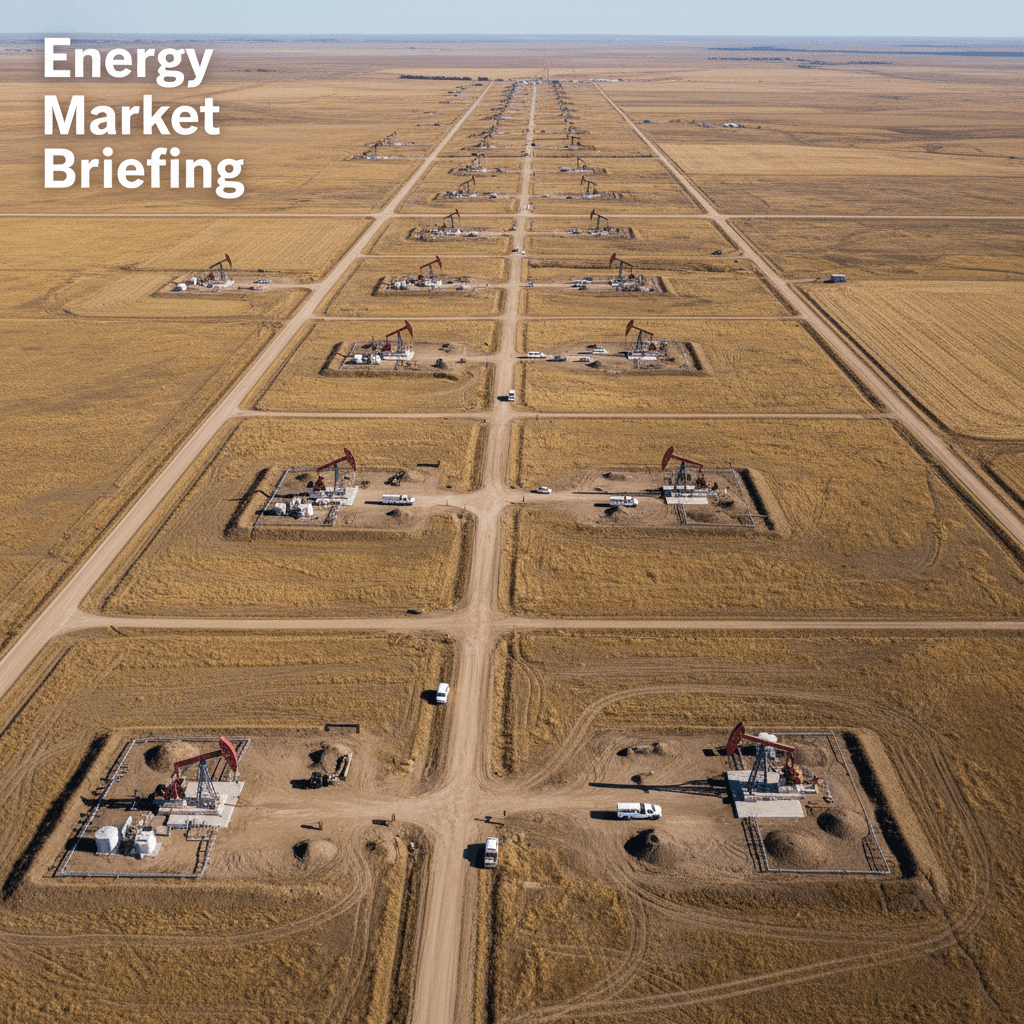
For Bakken operators and North Dakota, this global landscape reinforces the value of secure, domestic production. The repeated crises abroad underscore the strategic role of stable U.S. supply basins in a volatile world. Market volatility driven by foreign grid collapses and geopolitical disruptions can impact pricing dynamics for Bakken crude, while global warnings about export declines may bolster arguments for sustained domestic investment.
The compounding factors of grid stress, conflict, and resource scarcity highlight the interconnected nature of modern energy markets. Events in Europe and Asia directly influence the economic environment for North Dakota's primary industry, making global instability a local concern for royalty owners and operators counting on market stability.
Source
Analysis synthesized from OilPrice.com, citing BBC reporting and a report from The National Interest.