Global Energy Policy Shifts Highlight Security, Cost, and Mineral Competition
China boosts domestic oil and gas output for security, UK debates net zero costs, and Coal India seeks critical minerals.
China is aggressively boosting its domestic oil and gas production while leading in renewables, a dual strategy aimed at insulating its economy from global supply shocks, according to OilPrice.com. In 2025, China's crude output hit a record 216 million metric tonnes, with natural gas output rising by 10 billion cubic metres. From January to July this year, crude output increased 0.9% to 4.42 million barrels per day.
The policy-driven increase is part of a broader effort to reduce reliance on imports, using discounted Russian and Iranian crude to fill strategic reserves. This has helped shield China from recent price spikes linked to Middle East conflicts. China's crude imports fell to a low of 7.8 million barrels daily in May, the lowest since 2017. The country plans to raise domestic oil and gas production to 440 million metric tonnes of oil equivalent by 2030 and expand its pipeline network by 20,000 km.
Meanwhile, in the UK, a political debate over the cost of net zero policies has emerged. A report from the think tank Onward, backed by the UK Conservative Party, claims scrapping certain net zero regulations could save households about £540 per year after 2030, according to OilPrice.com. The report suggests the full net zero pathway would cost the UK roughly £320 billion between 2030 and 2050. Tory leader Kemi Badenoch endorsed the report's "common sense approach," which researchers say would still result in an energy system that is 80% clean.
In a separate development with implications for the energy transition supply chain, Coal India is venturing into critical minerals trading. The world's largest coal producer has applied to establish a trading office in Singapore to trade critical minerals and iron ore, Reuters reported via OilPrice.com. The move is part of India's strategy to secure minerals like lithium and bauxite overseas and reduce dependence on China.
Coal India is reportedly considering buying a lithium mining unit in Chile from Canada's Wealth Minerals. This follows Indian government efforts, including a $10 billion investment in rare earth elements and a memorandum of understanding with Argentina last year, to secure critical mineral resources.
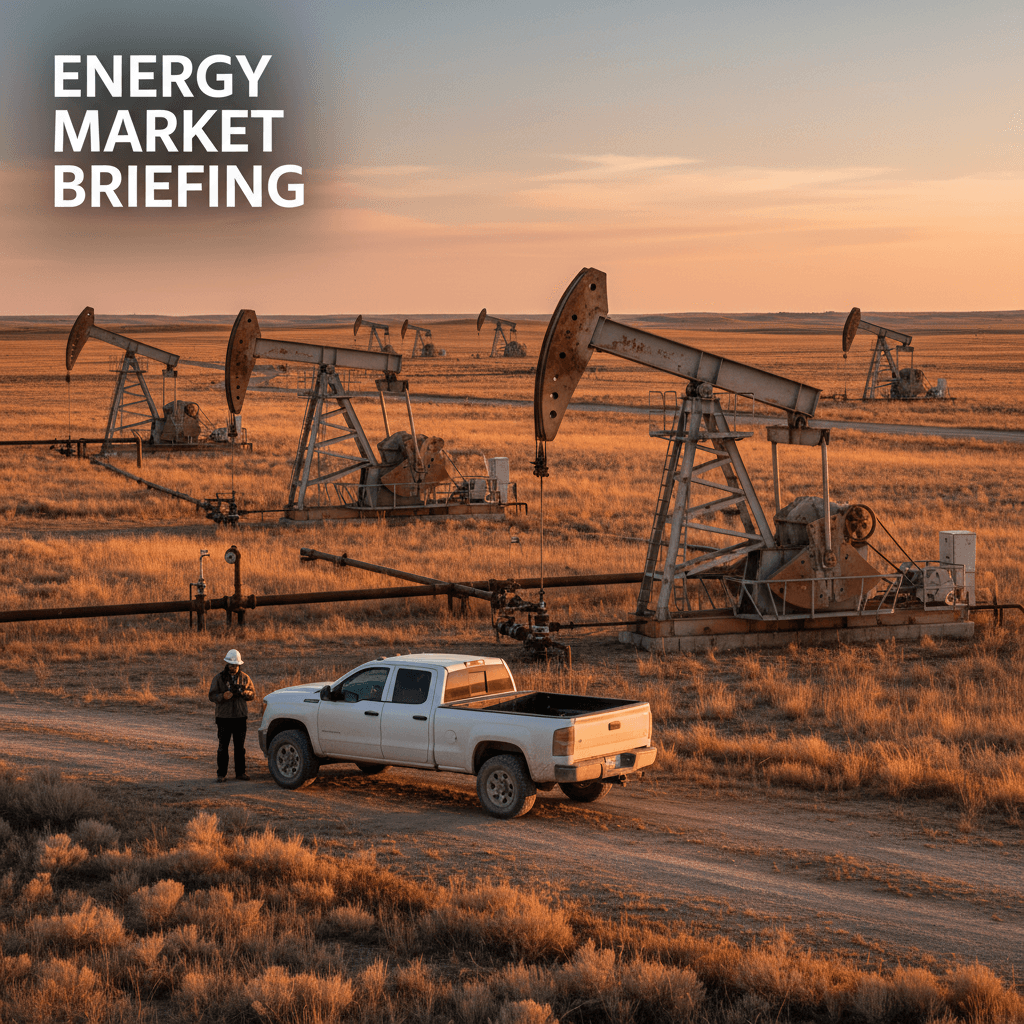
For Bakken operators, these global developments underscore competing priorities: major consuming nations like China are prioritizing domestic production and import diversification for energy security, which could influence long-term global demand patterns. Simultaneously, political pressure over energy costs in Western nations and the intense global scramble for critical minerals highlight the complex economic and geopolitical landscape surrounding the broader energy transition.
Source
OilPrice.com reports from August 20, 2026.