Global Energy Policy Shifts Highlight Supply, Permitting Challenges
IEA urges EU Arctic drilling review as U.S. permitting delays threaten grid; UAE surges post-OPEC.
The global energy system is facing concurrent crises of supply security and infrastructure buildout, with implications for North Dakota's Bakken operators navigating a volatile market. According to a report from OilPrice.com, permitting bureaucracy is the biggest roadblock to clean energy expansion in the United States, "generation capacity not coming online, grid upgrades not being delivered, and industrial facilities not being built."
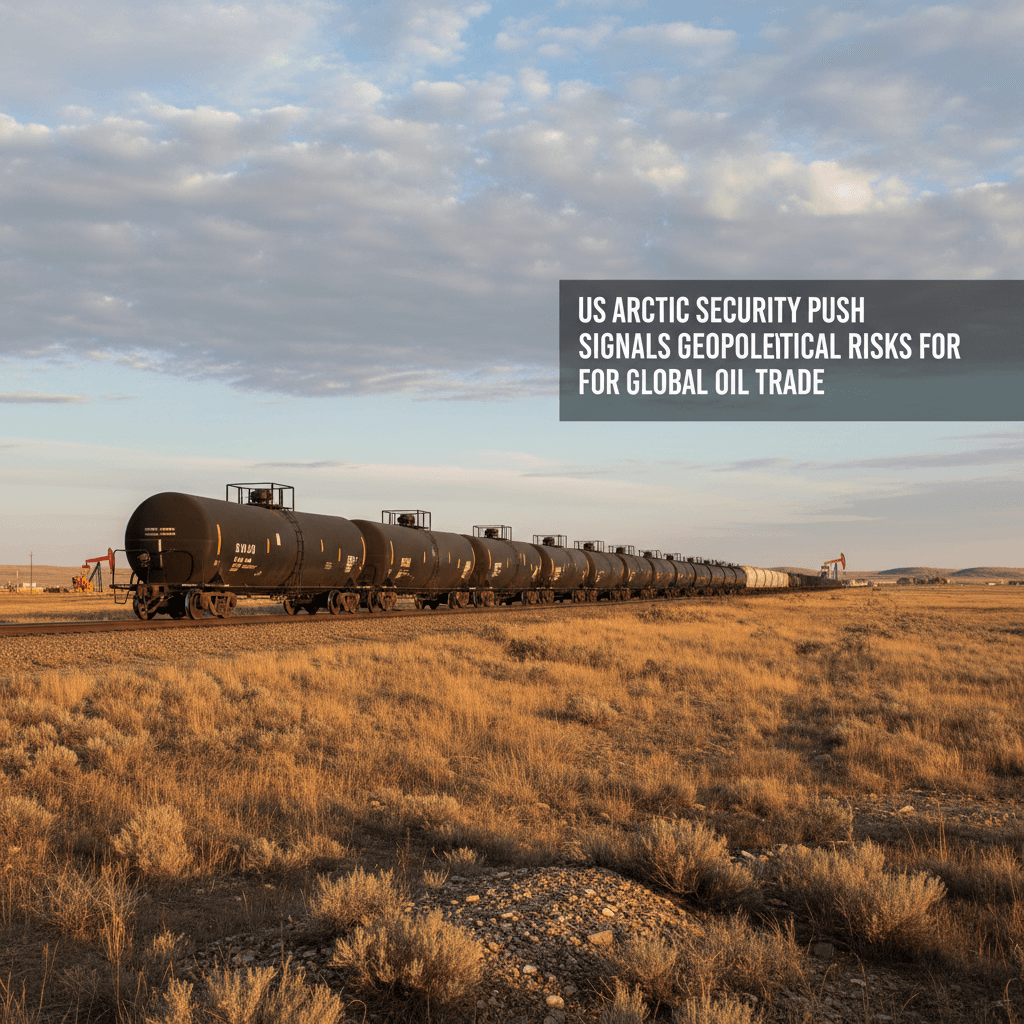
These domestic delays come as the International Energy Agency (IEA) calls for increased oil and gas supply from secure regions. IEA Executive Director Fatih Birol urged the European Union to reverse its moratorium on Arctic drilling after a meeting with Norwegian Finance Minister Jens Stoltenberg, OilPrice.com reported. Birol emphasized Norway's importance for European energy security, stating "The world needs every drop of oil from Norway." Norway has lobbied the EU to drop the ban, arguing the need for reliable supply outside conflict zones following major Middle East disruptions.
Simultaneously, the United Arab Emirates has dramatically increased production following its exit from OPEC. The UAE produced a record 4.1 million barrels per day (bpd) of crude oil in June, according to IEA estimates cited by OilPrice.com. This output is nearly double its March 2026 production and tops a previous record from 2020. The surge follows the UAE's OPEC exit on May 1 and its adaptation to Middle East shipping constraints.
In the U.S., a Wood Mackenzie report cited by OilPrice.com found that federal policies have put over $121 billion of renewable investment at risk, with stalled permits slowing wind, solar, and storage capacity. This bureaucratic slowdown occurs as power demand from data centers is expected to double by 2027. The Department of the Interior has introduced a directive requiring senior official approval at every stage of renewable energy permitting, which experts criticize as adding red tape.
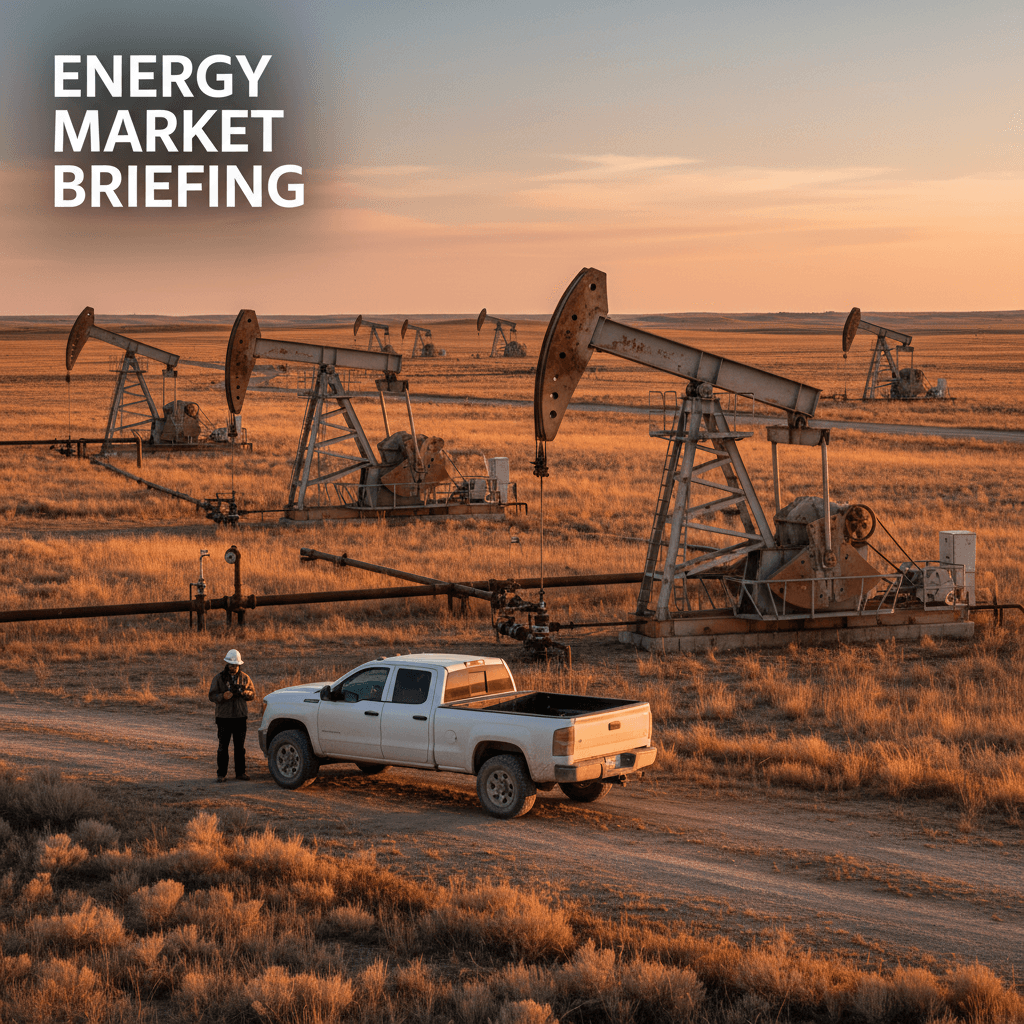
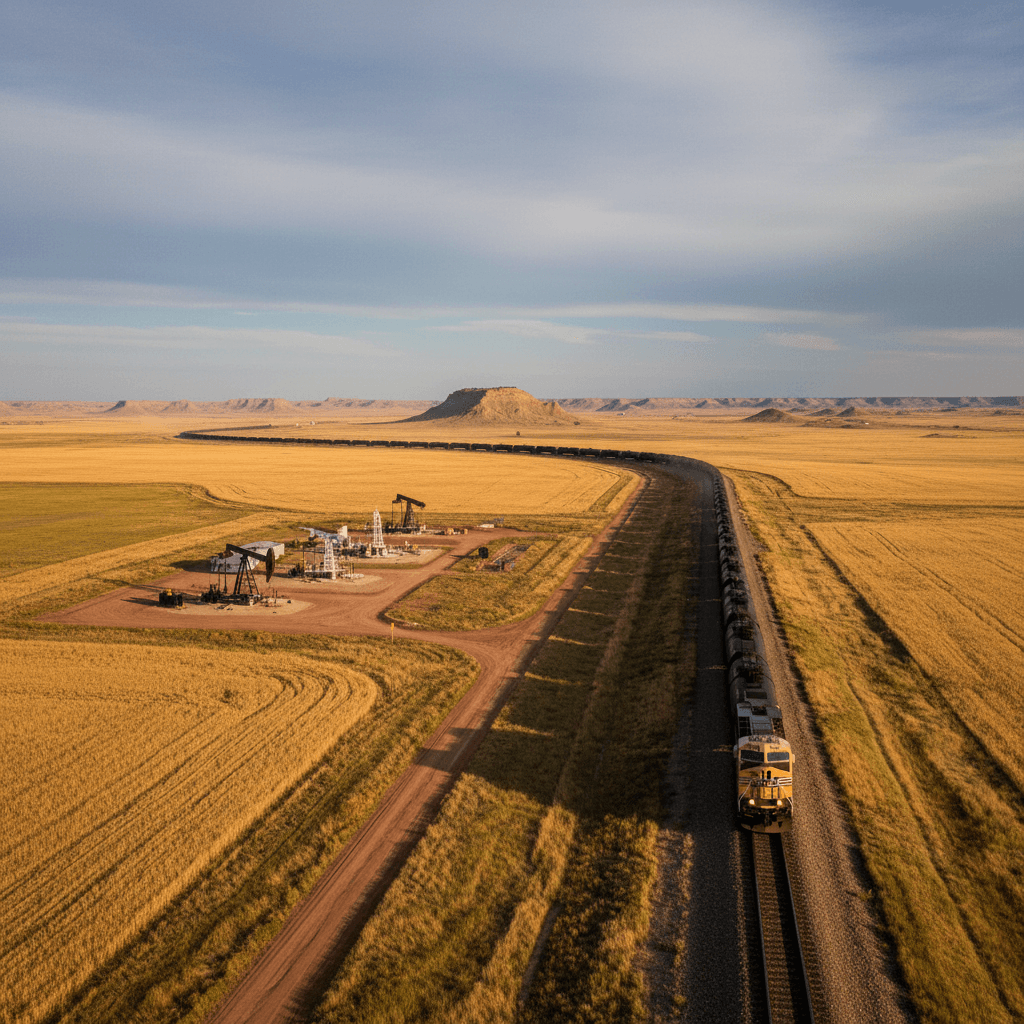
The contrasting global moves—calls for more hydrocarbon development in stable regions and a constrained U.S. buildout—underscore a fragmented energy policy landscape. For Bakken operators, these dynamics highlight the ongoing value of secure, domestic production from the Williston Basin, even as regulatory hurdles complicate adjacent energy infrastructure projects critical to the region's growth.
Source
OilPrice.com reports from July 10, 2026.