Global Energy Roundup: Shell Sells Gulf Asset, KKR Launches Korea Renewables
A major oil divestment and a massive renewable power deal highlight divergent corporate strategies as analysts note continued oil price weakness.
Shell has agreed to sell a 50% stake in the Na Kika oil platform and related Gulf of Mexico assets to Talos Energy and Ridgewood Energy for $1.7 billion, according to an Oilprice.com report. The deepwater platform, a partner asset with BP, is one of the most prolific production hubs in the Gulf and can produce up to 130,000 barrels of crude daily.
The sale comes as Shell faces a reserve shortfall, with its reserve life dropping below eight years, significantly lower than peers like Exxon and TotalEnergies, according to the source. Shell's President of Upstream, Peter Costello, stated the Gulf remains a high-value basin and that the company is "actively shaping our portfolio to ensure our Upstream business continues to be resilient and increasingly competitive."
In a separate major energy deal, global investment firm KKR and South Korea's SK Inc. are launching the country's largest renewable energy platform, valued at about $1.3 billion, Oilprice.com reported. The platform will combine 1.7 gigawatts (GW) of operational clean energy capacity with a development pipeline targeting a total of 10 GW. The partners stated the renewable electricity is intended to meet South Korea's surging power demand from AI data centers and semiconductor manufacturing.
KKR said the targeted 10 GW capacity would be capable of continuously powering 100 large-scale data centers. Keith Kim, a Partner at KKR, called Korea "one of Asia’s most attractive renewable energy markets," underpinned by strong corporate demand for clean power. The South Korean government aims to generate at least 20% of its power from renewables by 2030, up from about 11% currently.
These corporate moves unfold against a backdrop of continued softness in the oil market. According to Rigzone, Standard Chartered Bank Energy Research Head Emily Ashford noted that oil's "softening trend" had continued "as the return of easy barrels outpaces demand recovery."
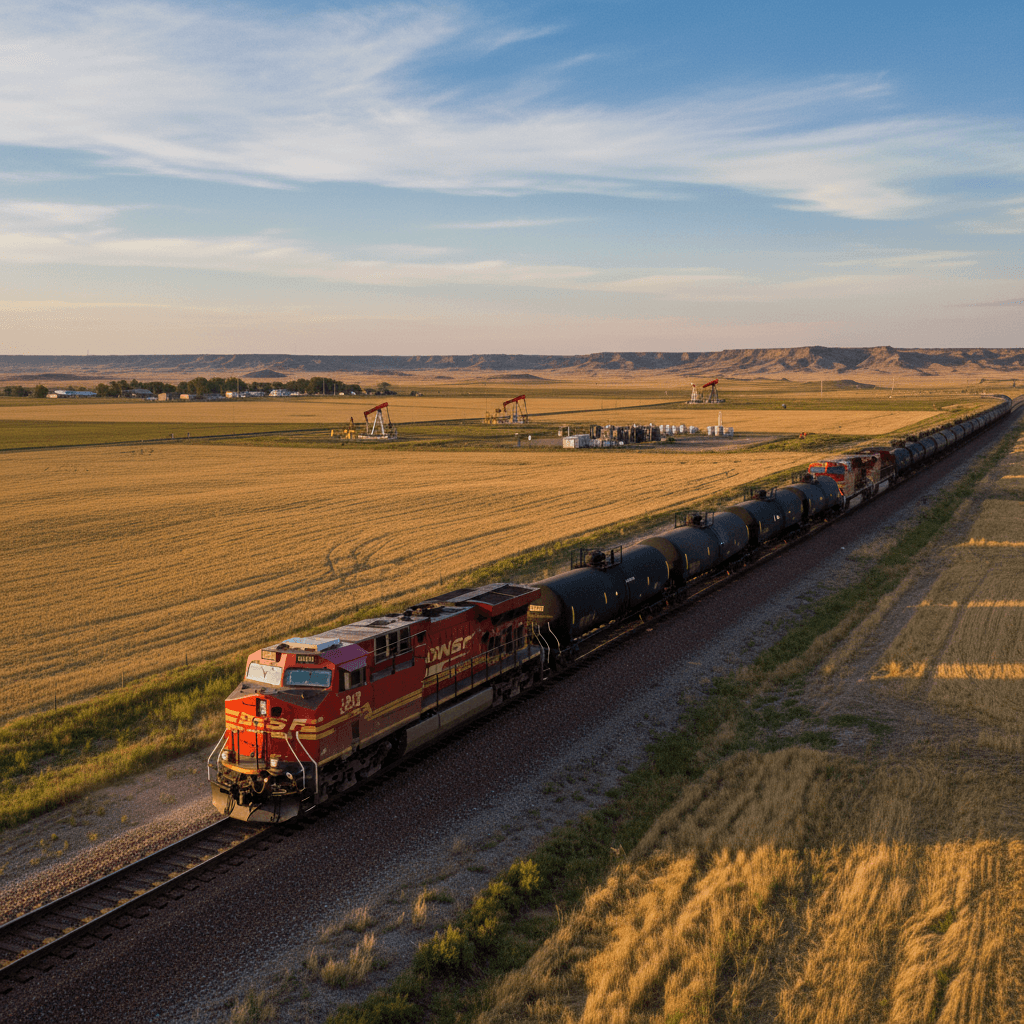
For Bakken operators, the global activity underscores a dual energy reality. Major oil companies like Shell are actively managing legacy portfolios amid reserve pressures, while institutional capital is flowing at scale into renewable infrastructure to power specific, high-growth industrial sectors. The persistent "softening trend" in crude prices highlighted by analysts remains a key factor for North Dakota's production economics.
Source
Oilprice.com, Rigzone

