Global Energy Shift Toward Hydropower, Lithium Could Impact Long-Term Bakken Demand
IEA calls hydro "forgotten giant" as lithium production surges, highlighting diversification pressures on fossil fuels.
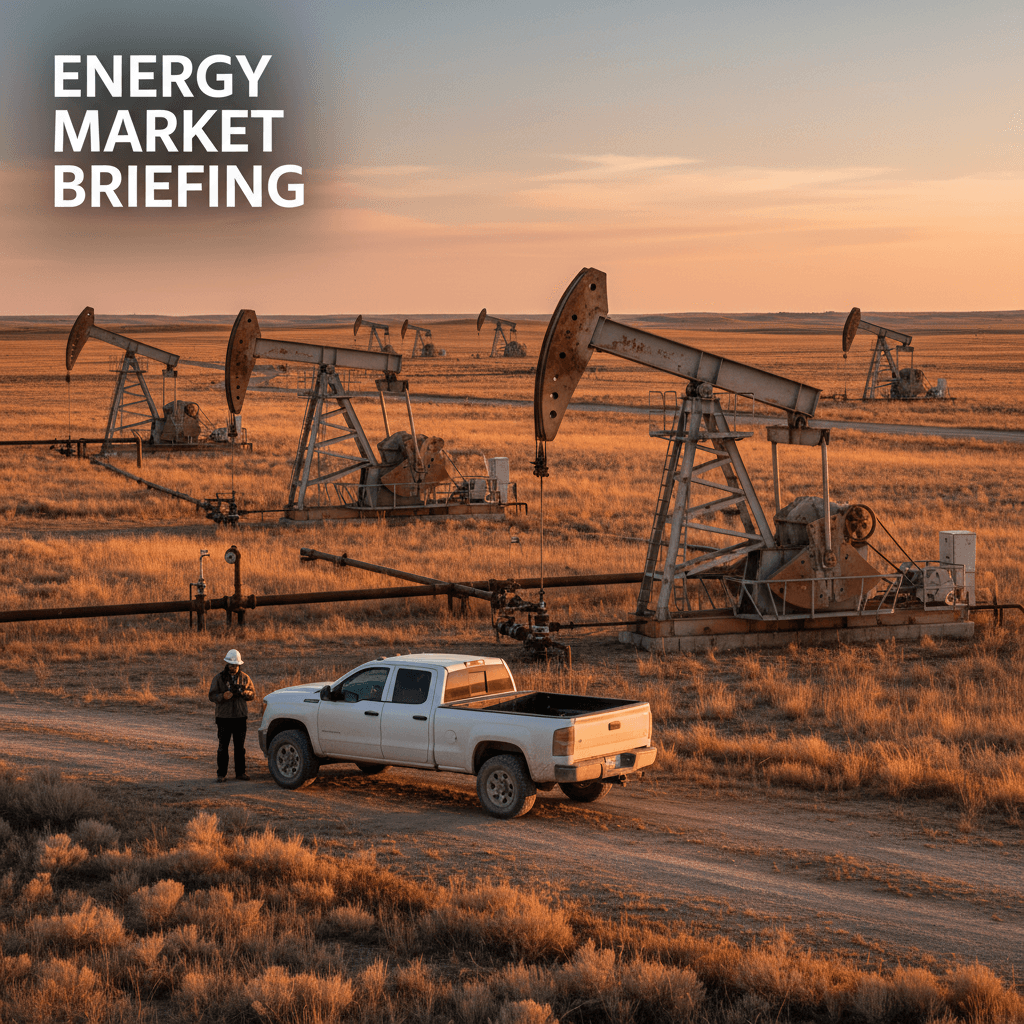
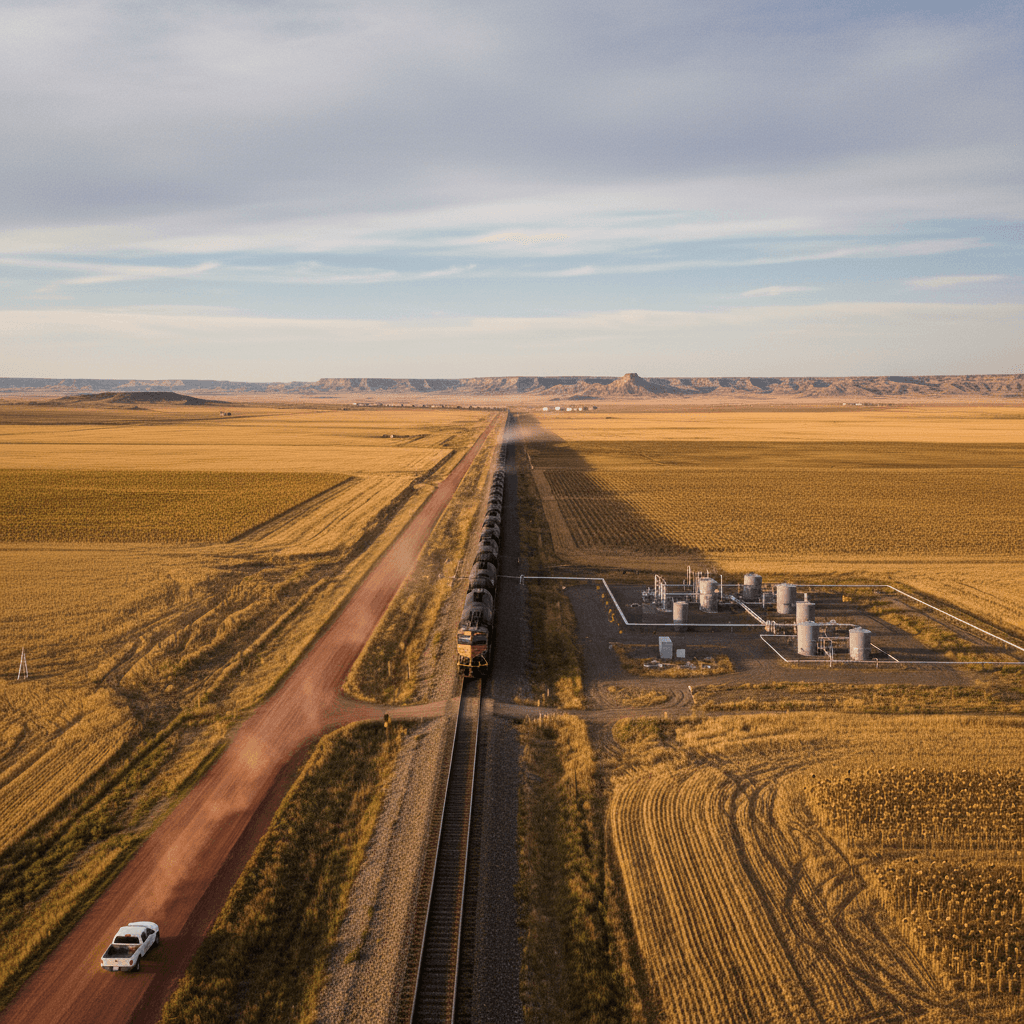
The global push for energy diversification, accelerated by geopolitical tensions and high fossil fuel prices, is bolstering renewable energy sources like hydropower and critical minerals like lithium, according to recent industry reports. These trends underscore the long-term competitive landscape for Bakken crude oil and associated natural gas.
Hydropower, described by International Energy Agency Executive Director Fatih Birol as "the forgotten giant of electricity," is the world's third-largest power generation source after coal and natural gas, according to an OilPrice.com report. It contributes about 4,500 terawatt-hours annually, or 14 percent of global electricity—roughly equal to solar and wind combined. The IEA notes that around 60 percent of hydro resources in emerging economies remain untapped, and its flexibility makes it a key tool for grid stability as renewable deployment grows.
Concurrently, the race to control lithium supply chains is intensifying, driven by demand for electric vehicle batteries and grid storage. Global lithium production from mining skyrocketed from 31,500 metric tonnes in 2015 to 290,000 tonnes in 2025, OilPrice.com reported. The global lithium-battery market exceeded $150 billion in 2025, a 20 percent year-on-year increase. The IEA states batteries are becoming "a cornerstone of the automotive sector" and "a critical source of flexibility for power systems."
For Bakken operators, these developments represent macro forces that could influence future demand for oil and gas. The report links current high fossil fuel prices to "the ongoing conflict between the United States, Israel, and Iran," which is "encouraging governments worldwide to assess their energy security." This pursuit of diversification away from single-source reliance directly pressures long-term hydrocarbon demand growth.
The lithium boom also highlights the shifting energy infrastructure. The report notes that pumped-storage hydropower plants are currently the world's largest form of electricity storage, with a capacity 30 times greater than batteries. However, massive investment in lithium-ion technology supports the expansion of variable renewables like wind and solar, which compete with natural gas for power generation.
While North Dakota is not a major lithium producer, the U.S. government is moving to reduce reliance on China, which controls much of the refining and battery production. In October, the U.S. Department of Energy took stakes in Lithium Americas Corp and its Thacker Pass project, with Energy Secretary Chris Wright noting the U.S. produces less than 1 percent of global lithium supply despite large deposits.
These parallel trends in established hydropower and emerging battery technology signal a global energy system increasingly focused on diversification and electrification, setting the stage for continued competition with Bakken hydrocarbons.
Source
According to reports from OilPrice.com published April 18, 2026.