Global Energy Shifts and a Bakken Milestone Frame Market Outlook
As the UK invests in nuclear and a fragile U.S.-Iran ceasefire holds, North Dakota marks 75 years since its first oil discovery.
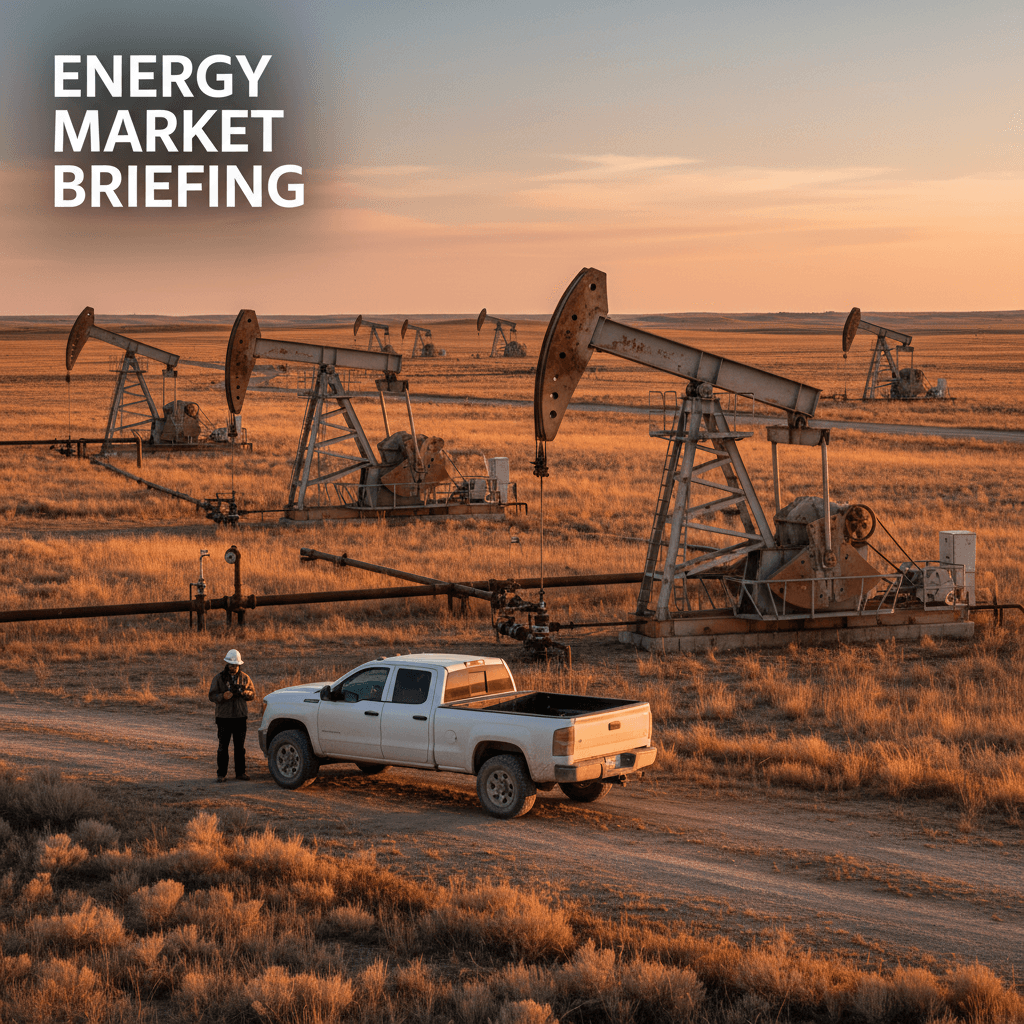
North Dakota's oil industry this month marks the 75th anniversary of the discovery that launched the modern Bakken era, a milestone highlighting the state's transformation into a daily million-barrel producer. On April 4, 1951, the Clarence Iverson #1 well struck oil near Tioga, according to a column in the Inforum. North Dakota Petroleum Council President Ron Ness stated the legacy is "about the ability of North Dakotans to have an opportunity to live and work in North Dakota," crediting the industry with helping reverse decades of population decline.
The technological evolution since that first strike is profound. Lynn Helms, director of the Department of Mineral Resources, noted that in 1951 it took 18 months for the industry to produce its first 1 million barrels of crude oil. "Today? Starting at midnight, the state of North Dakota produces a million barrels by 8 p.m. Every single day," Helms said, according to the same source. The industry now supports roughly 63,000 jobs and generates nearly $50 billion in annual economic impact for the state.
Globally, energy security and technology investments continue to shape the landscape. The UK's National Wealth Fund announced a £599 million financing package for Rolls-Royce Small Modular Reactors (SMR) on April 13, according to a report from OilPrice.com. The investment, tied to the state-owned Great British Energy, aims to boost energy security and create around a thousand jobs. Each Rolls-Royce SMR is designed to generate 470 megawatts of low-carbon electricity.
The report noted UK Energy Secretary Ed Miliband said the government’s clean energy mission was “the only route to getting off the rollercoaster of fossil fuels and take back control of our energy independence.” This push comes amid volatile oil markets, with the article noting Miliband has faced recent calls to drill the North Sea following a surge in energy prices linked to the Middle East crisis.
That regional instability remains a key focus, with a fragile ceasefire between the U.S. and Iran technically still in effect as of April 13, despite collapsed talks, OilPrice.com reported. The U.S. has delivered a '15-Point Plan' to Iran, which includes demands for zero nuclear enrichment permanently and a requirement for Iran to reopen the Strait of Hormuz as a permanent free maritime zone. The status of this ceasefire and any potential deal is a critical variable for global oil market stability and pricing.
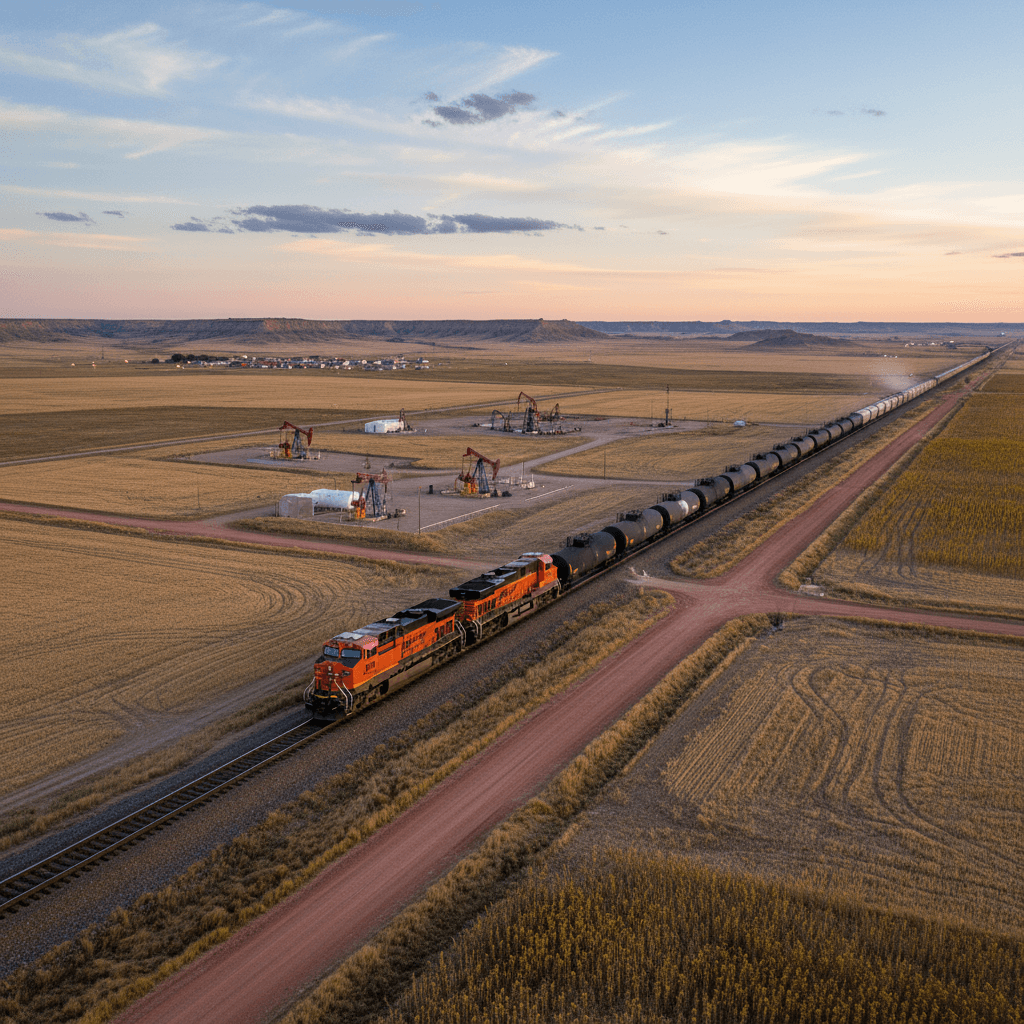
For Bakken operators, the juxtaposition is clear: local industry celebrates 75 years of growth and technological revolution that reshaped North Dakota, while international investments in alternative energy and fragile geopolitical truces underscore the evolving and interconnected global energy system.
Source
According to a column in the *Inforum* and reports from OilPrice.com.