Global Energy Shifts: Argentina Shale Booms, Mexico Opens Renewables, Hormuz Paralysis Persists
As geopolitical risk disrupts Middle East supply, investment flows to alternative basins like Vaca Muerta, while Mexico's policy reversal opens a $4.75B renewable wave.
International energy investment is pivoting toward alternative oil sources and new power sectors, according to global reports, as paralysis in a key global shipping chokepoint underscores supply risks. The developments highlight a global search for stability and opportunity outside traditional conflict zones.
The escalating confrontation around Iran and continued disruption in the Strait of Hormuz is fueling market instability with no diplomatic solution in sight, OilPrice.com reported. A recent summit between U.S. and Chinese leaders failed to produce a coordinated security mechanism or a breakthrough with Tehran, leaving the central artery for global hydrocarbon trade structurally unstable. This paralysis is contributing to nervous oil markets and volatile tanker rates.
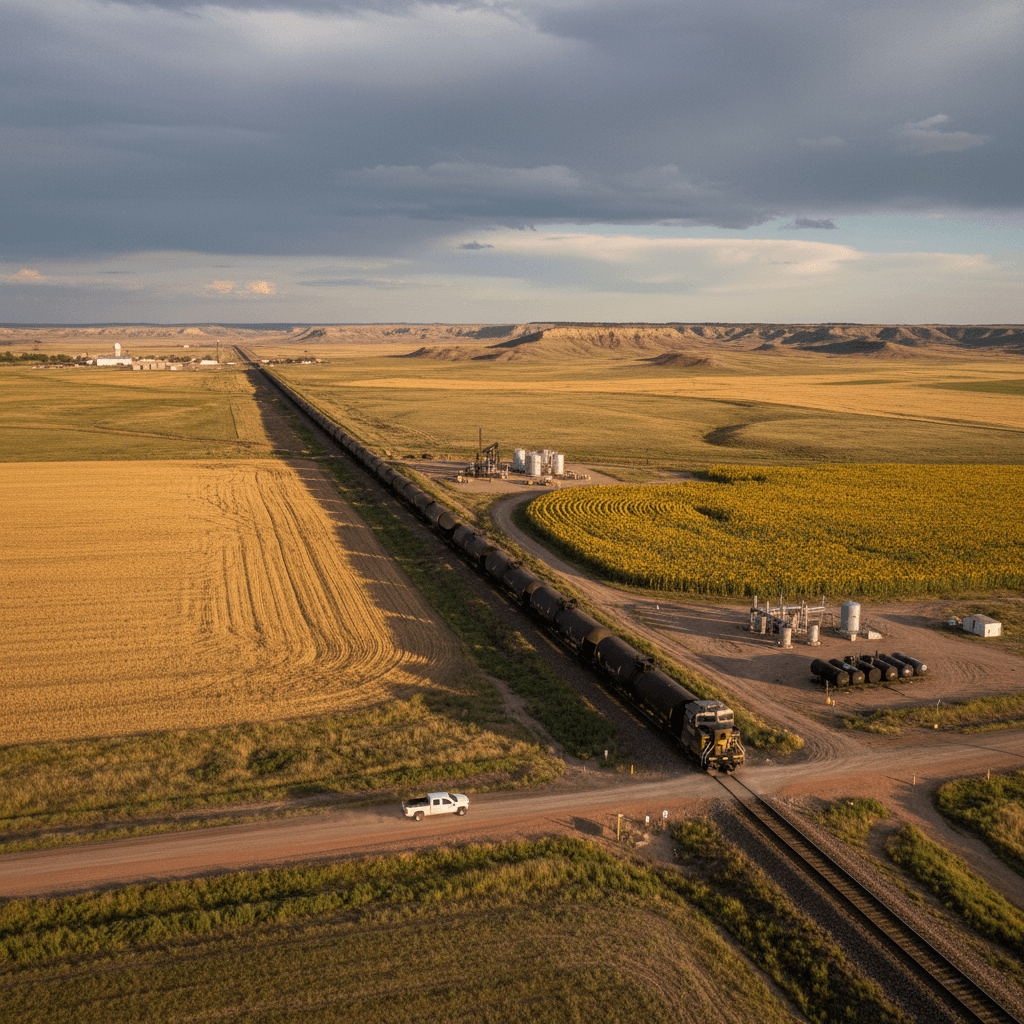
In response, major energy companies are rushing to secure resources in de-risked basins far from the Middle East, according to a separate OilPrice.com report. Argentina's Vaca Muerta shale play is a top target, with a major licensing round for 15 blocks underway—the basin's biggest auction in a decade. The play, often compared to the U.S. Eagle Ford, holds an estimated 16 billion barrels of oil and 308 trillion cubic feet of gas.
Vaca Muerta's crude production now tops 800,000 barrels per day, a 16% increase from last year, and is on track to reach 1 million bpd by the end of the decade. U.S. shale giant Continental Resources recently expanded its position there, with its CEO stating, "The rock doesn't know what country it's in." The boom has already made Argentina the fourth-largest oil producer in Latin America.
Meanwhile, Mexico has initiated a dramatic policy reversal to attract private capital into its energy sector, OilPrice.com reported. President Claudia Sheinbaum's National Energy Reform, announced in March 2025, opens the door for private producers to supply up to 46% of the national grid. The reform dissolved previous independent regulators in favor of a centralized National Energy Commission.
The government's "Plan México" aims to add 22 GW of new power generation capacity by 2030 and increase clean energy's share to 40%. In December, Energy Minister Luz Elena González announced $4.75 billion in planned private investment for 20 renewable projects—15 solar plants and five wind farms—adding 3.32 GW of generation and 1.48 GW of storage capacity. Most projects are set to begin operations in 2028 and 2029.
Source
According to reports from OilPrice.com dated May 16-17, 2026.

