Global Energy Shifts: Battery Giants Pivot, LNG Deal Inked, Oil Up on Iran Tension
CATL targets energy storage, Germany locks Canadian LNG supply, and oil prices rise following Trump's warning to Iran, shaping the global market for Bakken producers.
Oil prices climbed on Wednesday following a warning from former President Donald Trump to Iran, according to Rigzone. The geopolitical tension contributed to upward pressure in the crude market.
The global energy landscape is shifting, influencing markets crucial to North Dakota producers. Chinese battery giant CATL, the world's largest EV battery maker, announced it aims for energy storage to represent half of its global sales by 2030, OilPrice.com reported. This marks a major strategic pivot; five years ago, energy storage was just 2% of CATL's sales, but now accounts for a quarter. The report warns CATL's move away from EV battery manufacturing could lower global supplies and cause EV prices to rise.
This shift is partly driven by policy changes, according to OilPrice.com. When Trump took office for his second term and "gutted many Biden-era supports for electric vehicles," EV makers like General Motors and LG began pivoting toward energy storage. "The market for grid-scale batteries and backup power isn’t just expanding, it’s becoming essential infrastructure," GM's Vice President of Batteries, Kurt Kelty, stated last year. The report notes the demand for energy storage is being driven by AI data centers.
In natural gas, Germany is seeking to secure long-term LNG supplies amid global uncertainty stemming from the Iran war, OilPrice.com reported. At the end of May, the Canadian government brokered a deal where German company SEFE agreed to buy 1 million tonnes of LNG per year for up to 20 years from the proposed Ksi Lisims LNG facility in British Columbia. A second preliminary deal was announced June 8 with Germany's Uniper for a possible 2 million tonnes per year.
The $10 billion Ksi Lisims project, a joint venture owned by the Nisga’a Nation, Western LNG, and Rockies LNG, faces hurdles. Construction could begin in 2027, but it requires a Final Investment Decision and is facing political and legal challenges over environmental impacts. Two B.C. Supreme Court petitions were filed concerning the associated Prince Rupert Gas Transmission pipeline. Opposition Leader Pierre Poilievre has suggested shipping LNG from Canada's east coast would be better, but no operational export plants exist there currently.
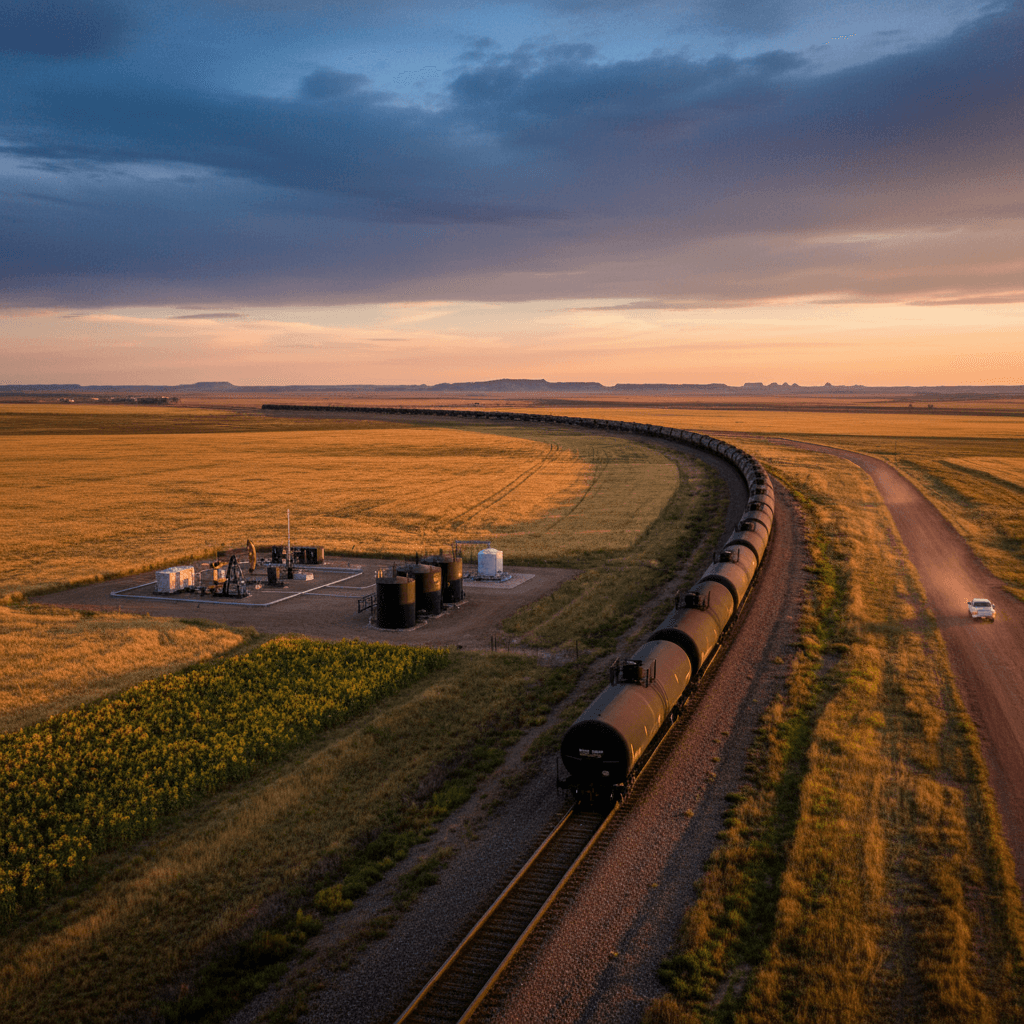
For Bakken operators, these global developments underscore interconnected markets. Rising oil prices directly benefit local production, while a pivot by major battery makers toward grid-scale storage could influence long-term energy demand dynamics. Germany's push for Canadian LNG highlights the ongoing global scramble for secure energy supplies, which supports the fundamental value of North American hydrocarbon resources.
Source
According to reports from OilPrice.com and Rigzone.

