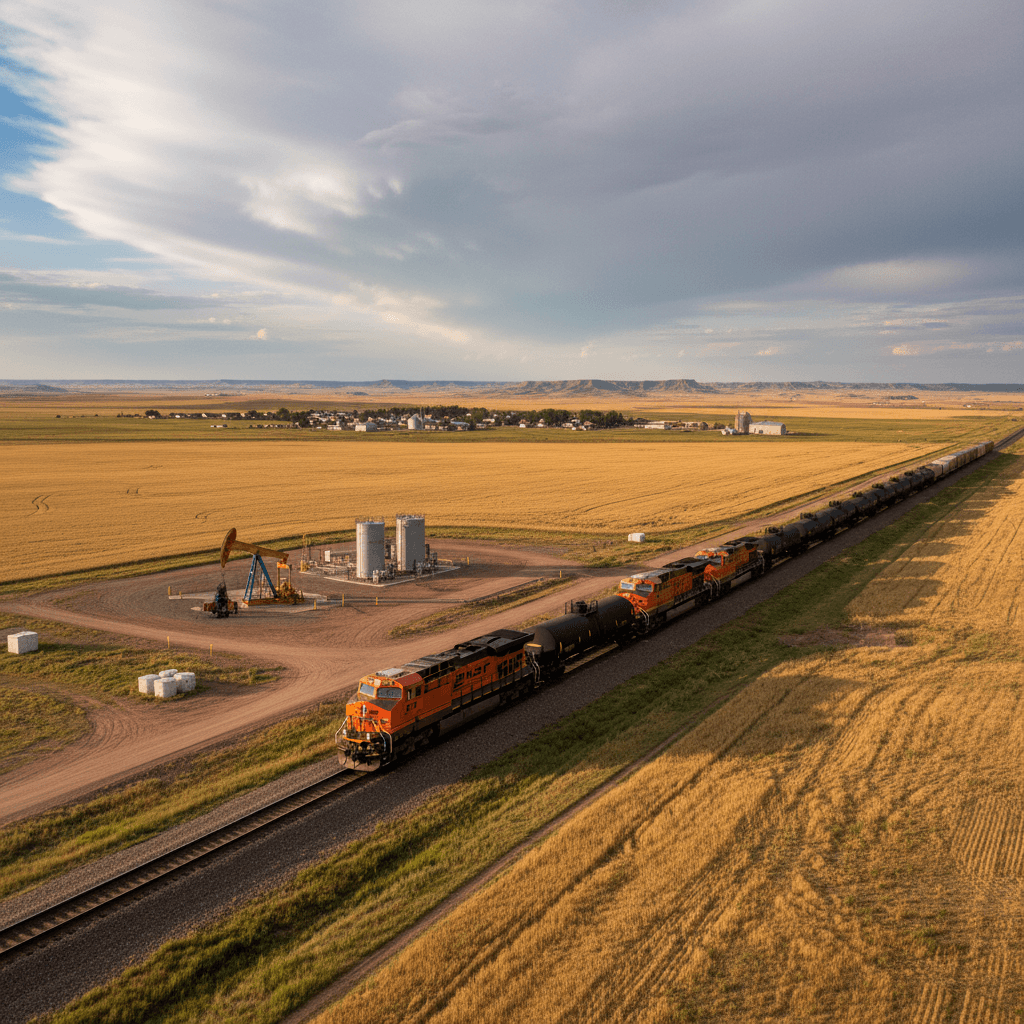
Global Energy Shifts Highlight Long-Term Demand Risks for Bakken Crude
IEA highlights hydropower's role and lithium race intensifies as geopolitical strains push energy diversification, potentially capping long-term fossil fuel demand.
The global push for energy diversification, accelerated by geopolitical conflict and high fossil fuel prices, is underscoring long-term demand uncertainties for oil-producing regions like the Bakken. According to a report from OilPrice.com, the ongoing conflict involving the United States, Israel, and Iran is pushing oil and gas prices higher due to severe shortages, encouraging governments worldwide to assess energy security and develop various energy sources.
One major, yet often overlooked, component of this shift is hydropower. Fatih Birol, the Executive Director of the International Energy Agency (IEA), has described hydropower as "the forgotten giant of electricity," according to the source. Hydropower is the world's third-largest power generation source after coal and natural gas, contributing about 14 percent of global electricity, or roughly 4,500 terawatt-hours. This equates to around the same production as solar and wind power combined. Its flexibility and capacity for energy storage make it a key tool for clean energy grids.
Simultaneously, the race to control critical minerals for the energy transition is intensifying. OilPrice.com reported that global lithium production from mining skyrocketed from 31,500 metric tonnes in 2015 to 290,000 tonnes in 2025. The lithium-battery market exceeded $150 billion in value in 2025, a 20 percent year-on-year increase. The IEA states batteries are becoming "a cornerstone of the automotive sector" and a critical source of flexibility for power systems.
China currently dominates this market, controlling roughly half of global lithium production and an expected 81 percent of lithium refining by 2027. In response, the United States is moving to boost self-sufficiency. In October, the U.S. Department of Energy took a 5 percent stake in Lithium Americas Corp and its Thacker Pass joint venture, which is expected to be the largest lithium source in the Western Hemisphere.
Bakken Implications For North Dakota's oil industry, these parallel trends signal a sustained global policy focus on reducing reliance on fossil fuels. The diversification into hydro and other renewables, coupled with massive investment in battery technology for electric vehicles and grid storage, points to structural pressures on long-term oil demand growth. While geopolitical events currently support high prices, the strategic investments in alternative energy and supply chains, particularly the U.S. move to secure domestic lithium, reflect a commitment to an energy mix that could eventually cap the upside for crude.
The development of more resilient and diversified energy systems, including flexible hydropower and large-scale battery storage, aims to decrease what OilPrice.com calls "the vulnerabilities of a reliance on any one energy source." For Bakken operators and royalty owners, this underscores the importance of efficiency and cost-competitiveness in a future where oil may face increasing competition from a broader array of established and advancing energy technologies.
Source
OilPrice.com reports dated April 18, 2026.

