Global Energy Shifts Highlight Long-Term Pressures for Bakken Oil
Rising investment in hydropower and lithium underscores transition trends that could impact long-term fossil fuel demand.
Global energy diversification efforts and the race for critical minerals are accelerating, according to recent industry reports, highlighting long-term market dynamics that could influence the outlook for Bakken crude oil.
As geopolitical conflict pushes fossil fuel prices higher, governments worldwide are assessing energy security and looking to develop various energy sources, OilPrice.com reported. Hydropower, described by International Energy Agency Executive Director Fatih Birol as "the forgotten giant of electricity," is seeing renewed attention as a flexible and reliable renewable source.
Hydropower is the world’s third-largest power generation source after coal and natural gas, contributing around 4,500 terawatt-hours of electricity, or 14 percent of the global total. This equates to roughly the same electricity production as solar and wind power combined. Its ability to rapidly adjust generation makes it a key candidate for filling gaps in solar and wind output.
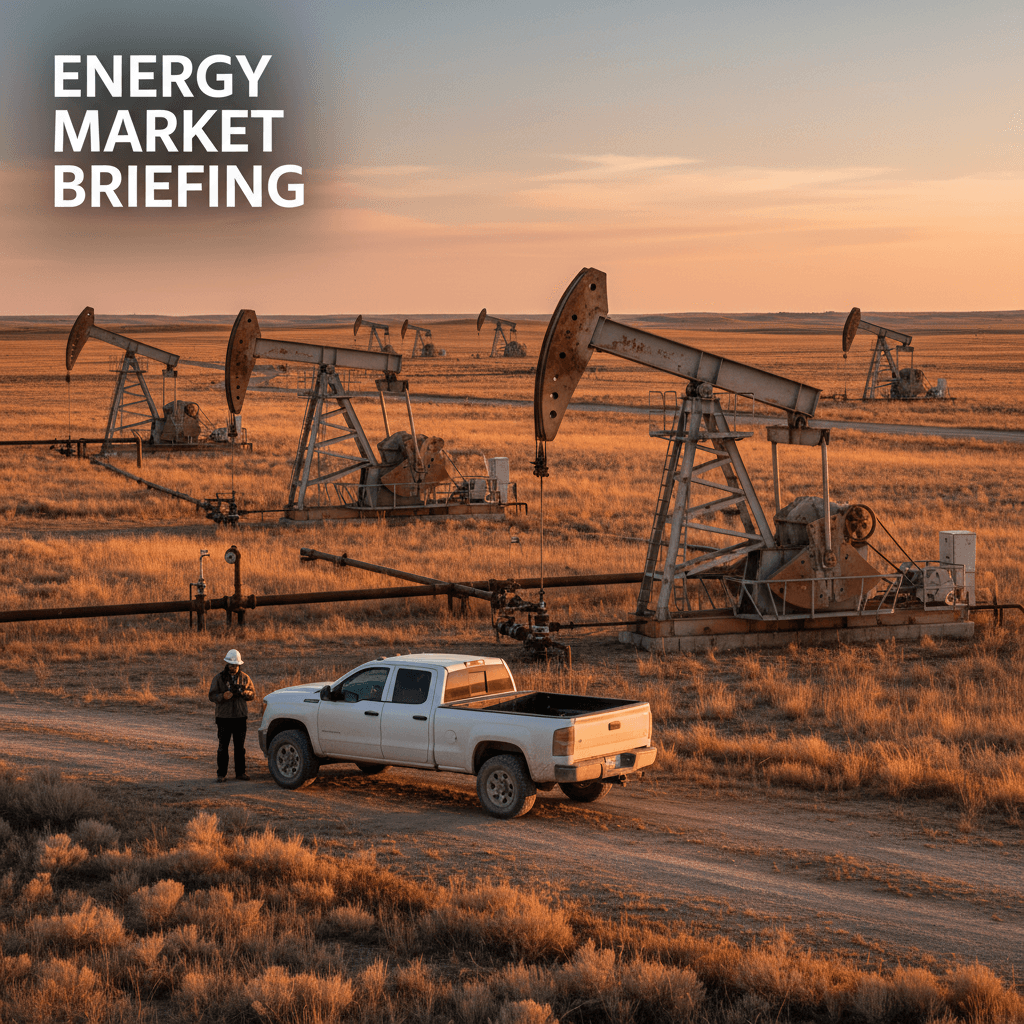
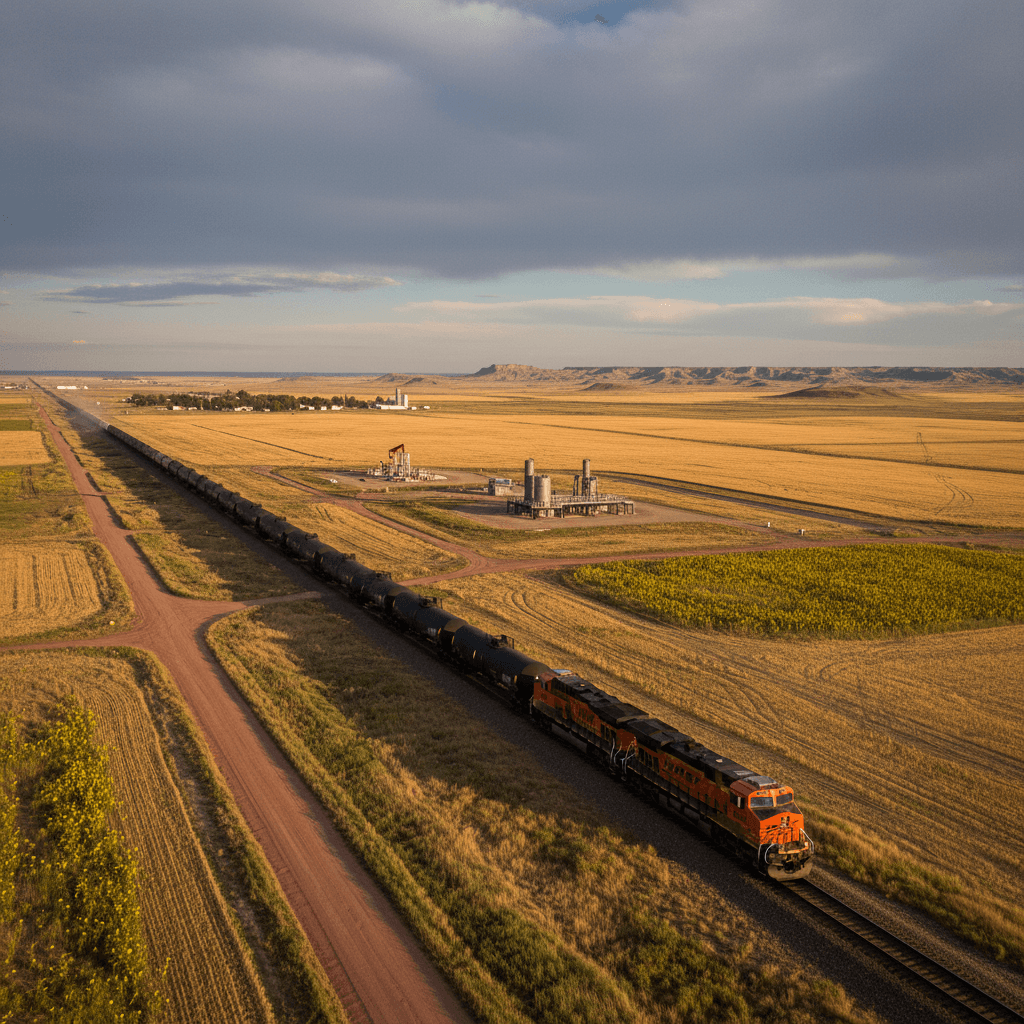
For North Dakota, a state whose economy is heavily tied to oil and gas revenues from the Bakken formation, the global push for energy diversification represents a gradual, long-term pressure on fossil fuel demand. While not an immediate market threat, the expansion of reliable baseload renewables like hydropower could alter global energy consumption patterns over decades.
Concurrently, a separate report details a rapid global ramp-up in lithium production, driven by demand for electric vehicles and renewable energy storage. Lithium production from mining soared from 31,500 metric tonnes in 2015 to 290,000 tonnes in 2025. The global lithium-battery market exceeded $150 billion in 2025, a 20 percent year-on-year increase.
"Batteries are becoming a cornerstone of the automotive sector, a critical source of flexibility for power systems, and an increasingly important source of back-up power for digital infrastructure," the International Energy Agency stated, according to the report.
China is expected to control around half of the global lithium market by 2027 and about 81 percent of lithium refining. In response, the United States has announced plans to boost self-sufficiency, with the U.S. Department of Energy taking stakes in major domestic lithium projects in October.
For Bakken operators, the explosive growth of the battery and EV sector underscores the accelerating technological shift in transportation, a primary source of oil demand. The U.S. government's direct investment in securing domestic lithium supply signals a sustained policy focus on energy transition infrastructure.
These parallel developments in hydropower and lithium batteries illustrate a broader global trend toward energy source diversification and electrification. While Bakken production remains economically vital in the near term, these investments in alternative energy and storage technologies are shaping the competitive landscape for fossil fuels far into the future.
Source
OilPrice.com reports "Hydropower Is Making a Global Comeback" and "Inside the Race to Control the World’s Lithium Supply," both published April 18, 2026.