WTI Crude--
Brent Crude--
Natural Gas--
ND Rig Count--
WTI Crude--
Brent Crude--
Natural Gas--
ND Rig Count--
Global Energy Shifts Highlight Nuclear Resurgence, Labor Bottlenecks, and Arctic Hesitation - Bakken Wire
Global Markets

Global Energy Shifts Highlight Nuclear Resurgence, Labor Bottlenecks, and Arctic Hesitation

A global energy roundup shows Big Tech betting on nuclear, Alaska's oil potential facing investor caution, and the AI boom exposing a critical skilled labor shortage.

Bakken Wire Staff·🌅Afternoon Wire·

A global resurgence of nuclear power, driven by energy security concerns and tech industry demand, is gaining momentum according to industry reports. Japan plans to rebuild 11 to 14 nuclear reactors by 2050, which would add 16 GW of capacity, OilPrice.com reported. This marks a significant policy reversal following the 2011 Fukushima disaster, prompted by volatility in LNG prices and geopolitical crises like the Strait of Hormuz situation. China is also aggressively expanding its nuclear fleet, with plans to commission seven new reactors this year and another 36 currently under construction, solidifying its position as the world's largest nuclear nation.

In the United States, a "nuclear renaissance" is a stated priority of the current administration, with efforts focused on extending the lifespan of existing plants and developing new ones, including small modular reactors. Microsoft President Brad Smith was recently quoted stating, "We clearly need more nuclear power and we’re bullish on it," highlighting a trend of Big Tech companies investing in nuclear generation to power energy-intensive AI data centers, according to OilPrice.com.

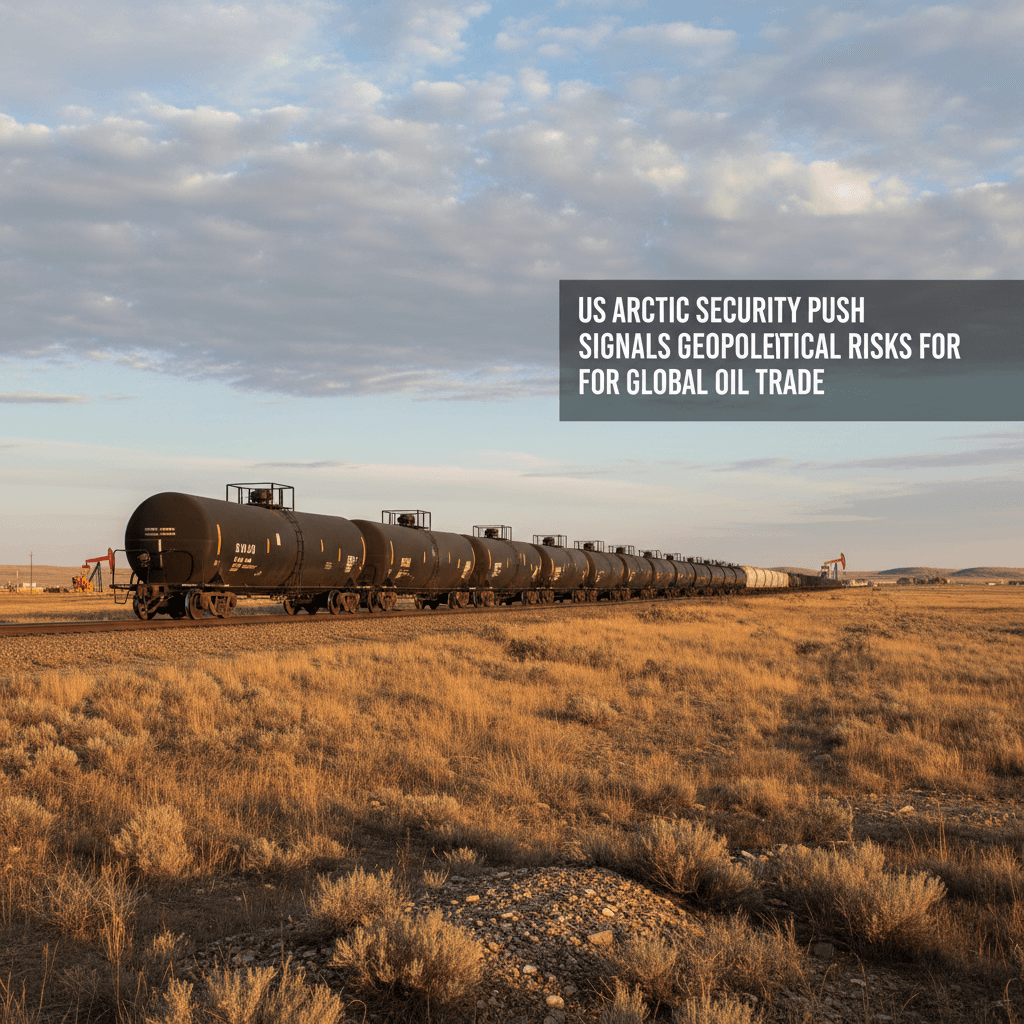
Meanwhile, efforts to revive Alaska's oil industry are meeting mixed results despite supportive federal policy. Following congressional action in December 2025 to repeal Biden-era leasing restrictions, a March 2026 lease auction in the National Petroleum Reserve attracted record bids of nearly $164 million from majors including ConocoPhillips, Shell, and ExxonMobil. However, a subsequent June auction for leases in the Arctic National Wildlife Refuge (ANWR) drew only nine bids totaling $3.7 million, covering just 10% of available land, with no international oil firms participating. This tepid response underscores ongoing investor hesitation in the Arctic, even as ConocoPhillips CEO Ryan Lance recently touted an "Alaska renaissance."

Separately, the rapid growth of artificial intelligence is exposing a critical bottleneck in physical infrastructure: a severe shortage of skilled blue-collar labor. The AI boom's massive demand for new data centers requires a parallel buildout of power grids, substations, and backup systems, all of which need trained workers. Reuters reported that this rush is intensifying shortages of electricians, line workers, and construction crews, a problem compounded by an aging workforce nearing retirement.

Goldman Sachs Research estimates U.S. data center power demand could more than double from 31 gigawatts in 2025 to 66 gigawatts by 2027. To meet this and other energy demands, the U.S. power sector may need roughly 510,000 additional workers by 2030, according to OilPrice.com. The Bureau of Labor Statistics projects employment of electricians will grow 9% from 2024 to 2034, faster than the average for all occupations.

Source

OilPrice.com reports from June 14, 2026.
nuclear powerenergy securityalaskaanwrnational petroleum reserveaidata centerslabor shortageelectriciansconocophillips

Share this article

Related Articles

The Afternoon Take - Energy Market Briefing
Global Markets

Energy Market Briefing

Afternoon Energy Market Briefing | Sunday, August 23, 2026 1. Headlines Oil prices are flat in Sunday trading, with WTI at $87.06 and Brent at $94.39. The Bakken differential to WTI is holding steady at -$3.42. Natural gas is at $2.81. Rig activity in the monitoring area is unchanged, with 34 active rigs. The main reported developments are geopolitical and operational. According to Rigzone, crude prices have been rallying as Asian demand strengthens and the conflict with Iran continues to constrain global supplies. In a related development, the semi-official Iranian Students' News Agency reports that Iran's President Masoud Pezeshkian has urged an end to the war while refusing to call defeat. Elsewhere, ExxonMobil is warning of a looming production decline at Kazakhstan's top oilfield, Tengiz, and is seeking to invest billions to cushion the slide at the nearby Kashagan development. U.S. refiners are also reportedly facing a looming supply drop...

🌅Afternoon Wire·Aug 23
The Midday Take - Energy Market Briefing
Global Markets

Energy Market Briefing

Daily Energy Market Briefing Sunday, August 23, 2026 1. Headlines Oil prices are ticking higher today, with Brent Crude up 0.65% to $94.39 and WTI gaining 0.26% to $87.06. The Bakken differential stands at -$3.42 versus WTI. Headlines are focused on geopolitical tensions and supply constraints. According to Rigzone, crude has extended its rally as Asian demand strengthens while the conflict with Iran continues to constrain global supplies. A separate Rigzone article notes that U.S. refiners are facing a looming supply drop from their biggest foreign crude supplier at a critical time. Other significant reports include a major equipment shortage. OilPrice.com details that lead times for heavy-duty gas turbines from major manufacturers like GE Vernova now stretch to 2031, creating a severe bottleneck for new power generation projects, particularly for the booming data center industry. 2. What's Really Happening The market is holding steady at elevated levels, but today's price...

🔆Midday Wire·Aug 23
The Morning Take - Energy Market Briefing
Global Markets

Energy Market Briefing

Energy Market Briefing for Bakken Wire Sunday, August 23, 2026 1. Headlines Oil prices are higher this morning, with Brent crude leading gains. WTI is up 0.26% to $87.06, while Brent rose 0.65% to $94.39. The price strength is being attributed by financial press to ongoing tensions from the U.S. war with Iran, which are seen as constraining global supplies, and to strengthening Asian demand (Rigzone). The Bakken differential to WTI stands at -$3.42. The North Dakota oil sector shows clear positive momentum from higher prices. According to data released this past Thursday, August 20, the state's oil production averaged 1.153 million barrels per day in June, a 2.5% increase from May and slightly above the state's revenue forecast (Bing News). The active rig count has jumped from 26 in mid-July to 33 as of this past week, with five new operators entering the basin. State officials note the June...

☀️Morning Wire·Aug 23