Global Energy Shifts Impact Affordability, Security, and Producer Profits
EU storage push, US political focus on costs, and strong Petrobras earnings highlight divergent pressures facing oil and gas markets.
European Union energy ministers have locked in a plan to triple the bloc's energy storage capacity by 2030, according to a report from OilPrice.com. The agreement, signed in June, aims to add 30-35 gigawatts (GW) of new storage capacity by 2028. This push comes as the EU's natural gas reserves are reported at just over 50% capacity and imports have slowed, leaving the continent vulnerable to shortages and grid instability. The EU currently has 55 GW of installed storage but is estimated to need 200 GW by 2030 to support its growing share of intermittent wind and solar power.
Meanwhile, in the United States, energy affordability is dominating the political landscape ahead of the November midterm elections, OilPrice.com reports. Candidates are prioritizing consumer costs over climate messaging, driven by rising gasoline and electricity prices. S&P Global Market Intelligence data shows U.S. residential electricity prices rose 7% in 2025 versus 2024, with 46 states experiencing year-over-year increases. The national average price per kilowatt-hour was 18.70 cents in Q1 2026.
The war in Iran is cited as a key driver, with AAA reporting U.S. gasoline prices nearly $1 per gallon higher nationwide than a year ago. This has led to a "curious energy pragmatism," with some incumbent Democratic governors embracing an "all-of-the-above" energy approach that includes natural gas. However, the report notes 60% of California voters are unwilling to pay more for renewable energy.
Separately, Brazilian state oil company Petrobras reported a profit that topped analyst estimates, according to a brief summary from Rigzone.
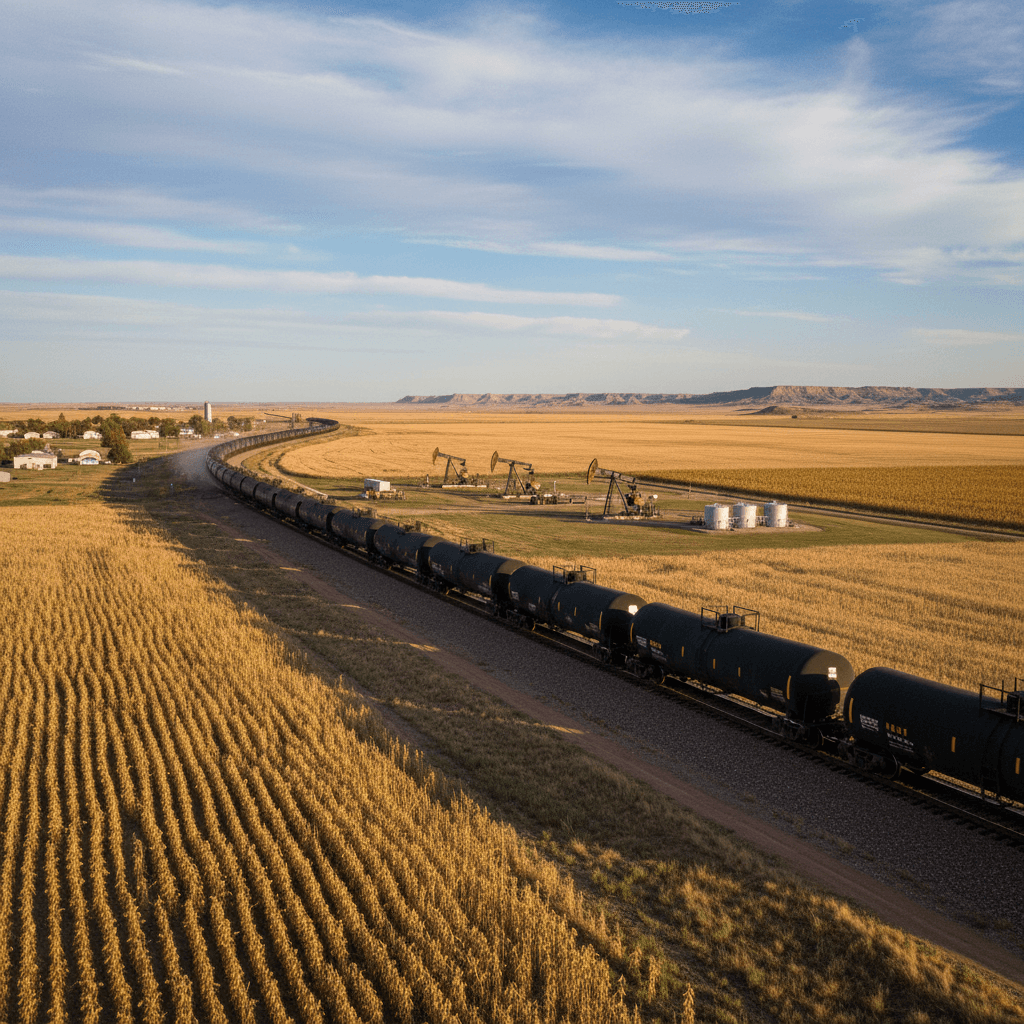
For Bakken operators and North Dakota royalty owners, these global developments underscore a complex market environment. The EU's accelerated storage build-out represents a long-term structural shift away from reliance on imported energy, including hydrocarbons, which could dampen future demand volatility. The intense U.S. political focus on energy costs highlights the immediate pressure on policymakers to ensure affordable supply, potentially supporting arguments for sustained domestic oil and gas production. The strong financial performance of a major international producer like Petrobras reflects the continued profitability in the sector amid current geopolitical and market conditions.
Source
OilPrice.com (EU storage plan, US midterm energy politics), Rigzone (Petrobras earnings)

