Global Energy Shifts Impact Markets as US Spares Hydrogen Hubs
Russian project start-up, Hormuz blockade developments, and revived US hydrogen funding highlight a volatile global energy landscape with implications for Bakken operators.
Russian state-owned giant PJSC Gazprom has begun commercial oil production from a new, technically complex project in West Siberia, according to Rigzone. The company started production from the sixth block of the Achimov deposits at the Urengoyskoye field, utilizing four initial wells with plans to drill over 40. Gazprom highlighted the use of high-tech solutions like 3D modeling and multi-stage hydraulic fracturing to tap the deep, low-permeability formation, underscoring the global industry's continued push into challenging reservoirs.
In the Middle East, a Pakistan-flagged oil tanker has become the first vessel to exit the Strait of Hormuz with a crude cargo since a U.S. naval blockade began on Monday, April 14, Rigzone reported. The Aframax tanker Shalamar, carrying about 450,000 barrels from the United Arab Emirates, crossed the vital chokepoint on Thursday. The blockade, announced by President Donald Trump, has drastically reduced traffic, with only a handful of vessels attempting transits. The development highlights ongoing geopolitical tensions that can constrain global oil flows and influence price volatility.
Domestically, the Trump administration has moved to preserve nearly $5 billion in federal funding for regional hydrogen hubs, according to a list provided to Congress and reported by Rigzone. The funding, originally awarded by the Biden administration in 2023, supports projects in Texas, Appalachia, the mid-Atlantic, and the Midwest involving major energy firms like Exxon Mobil, Chevron, and Occidental Petroleum. The decision reverses earlier plans to cancel the awards, though modifications are possible.
Also spared from cancellation were two direct-air capture projects, including one led by Occidental Petroleum, and a carbon-capture project at an Indiana cement plant. The Energy Department's review retained roughly 2,000 funding awards while moving forward with cuts to other projects, including two West Coast hydrogen hubs. Energy Secretary Chris Wright stated the agency was "keen to move forward" with the majority of reviewed projects.
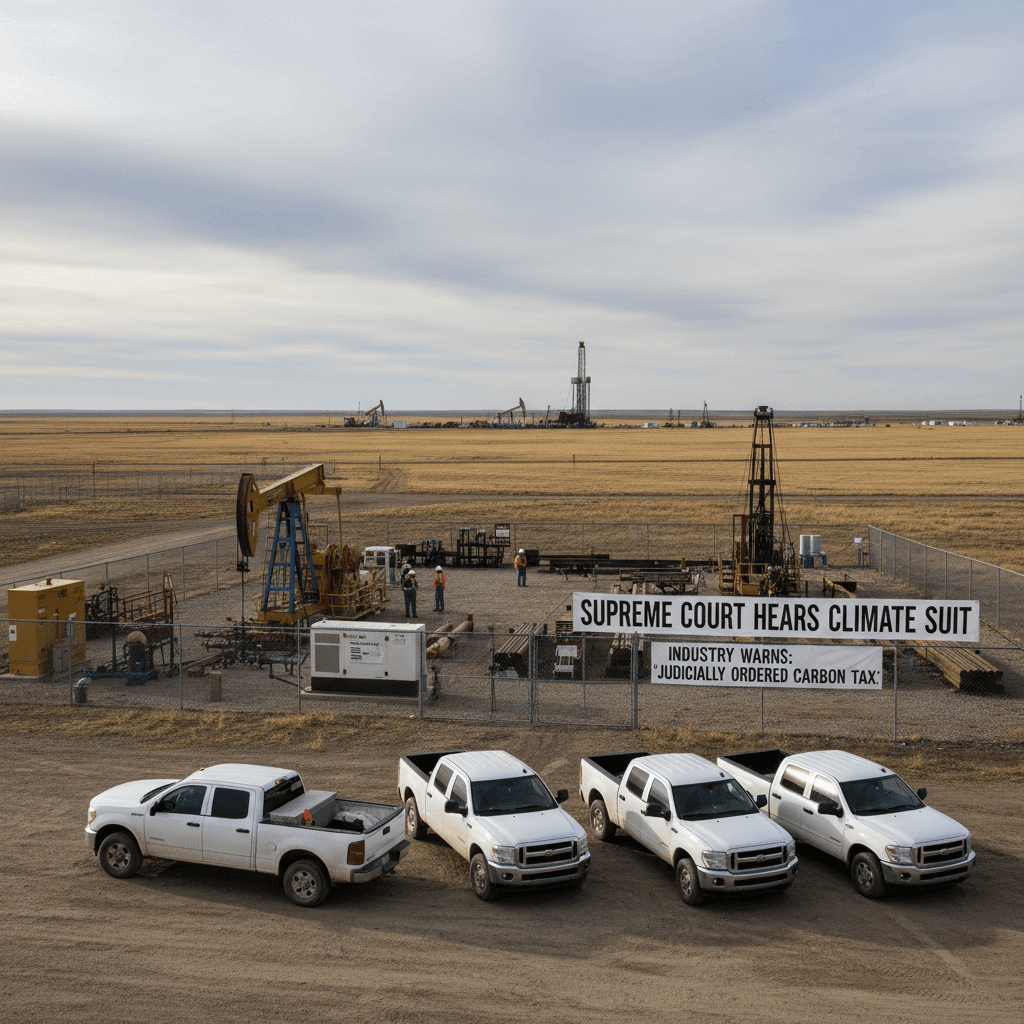
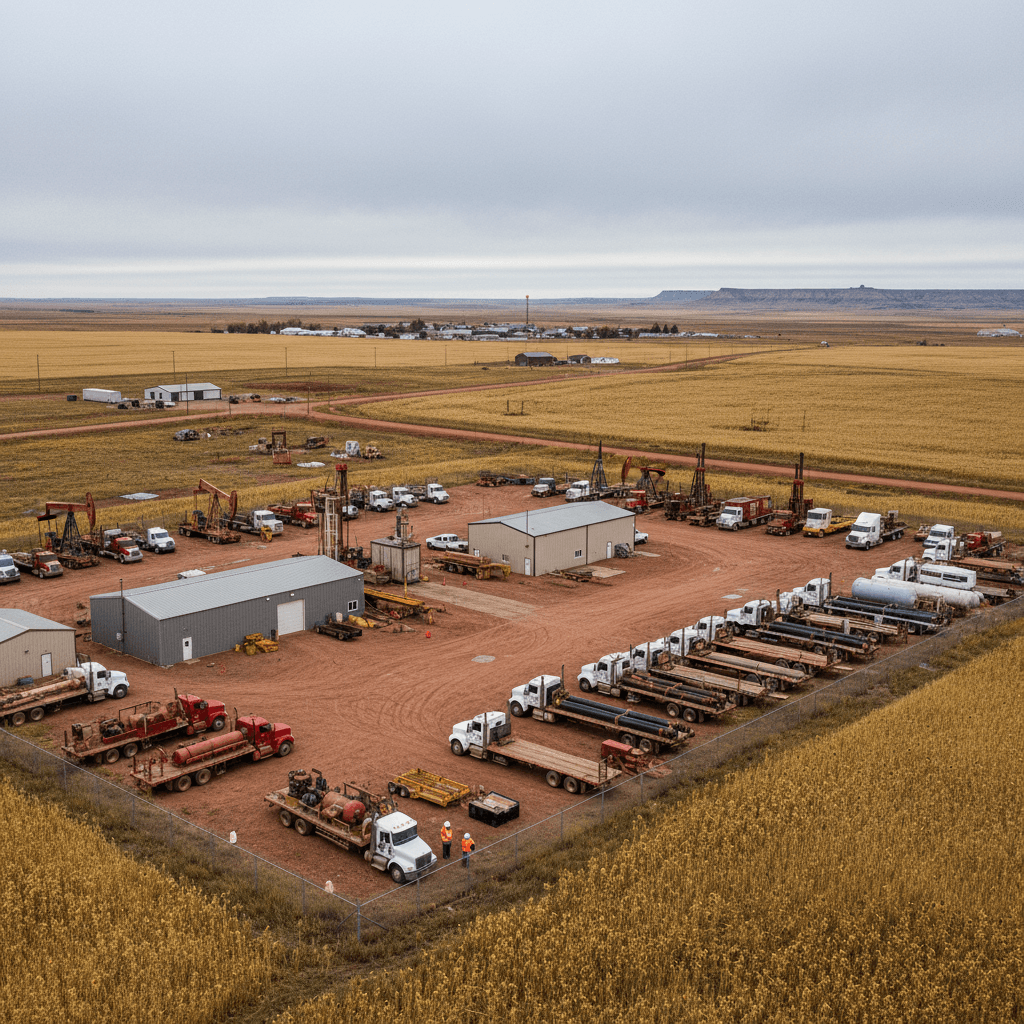
For Bakken operators, these developments illustrate a multifaceted energy landscape. The technical advancements demonstrated in Siberia mirror the complex well designs used in the Williston Basin. Meanwhile, persistent blockade risks at the Strait of Hormuz—a conduit for about a fifth of the world's oil—remain a key factor for global crude pricing. The revival of federal hydrogen and carbon management funding may also signal longer-term policy support for energy transition projects that could eventually intersect with North Dakota's energy sector.
Source
According to Rigzone reports published April 16-17, 2026.