Global Energy Shifts Intensify Focus on Security, Affordability
European storage push and US electoral pressure highlight competing priorities as Bakken producers watch demand signals.
Europe is committing billions to develop North Africa's renewable energy potential and triple its own energy storage capacity by 2030, according to reports from OilPrice.com. These simultaneous pushes underscore a global scramble for energy security that continues to shape long-term demand for fossil fuels.
The European Commission pledged nearly $5.8 billion in June for renewable energy projects in the Middle East and North Africa (MENA), OilPrice.com reported. The goal is to create a clean energy trade corridor, deploying solar and wind projects to feed power to Europe via subsea transmission lines. The EC estimates the MENA region holds over 2,300 GW of renewable potential, more than double the EU's current installed capacity.
Concurrently, European energy ministers signed a historic agreement in June to triple the EU's energy storage capacity, aiming to add 30-35 gigawatt-hours of new capacity by 2028. The bloc currently has just 55 GW of storage but will need an estimated 200 GW by 2030 to manage its growing share of intermittent wind and solar power, OilPrice.com reported.
These developments are driven by acute security concerns. A European diplomat anonymously cited a "third energy crisis in four years," with natural gas reserves barely above 50% capacity. European Commissioner Dan Jørgensen stated the EU's bill for fossil fuel imports has increased by over €47 billion in the past 100 days without adding new energy supply.
In the United States, energy affordability is trumping climate policy as a key issue in the midterm elections, according to OilPrice.com. S&P Global Market Intelligence data shows U.S. residential electricity prices rose 7% in 2025 versus 2024, with 12 states and Washington, D.C., seeing double-digit hikes. Elevated gasoline prices, nearly $1 per gallon more nationwide than a year ago, are also a factor.
This has led to a "curious energy pragmatism," the report states, with incumbent Democratic governors embracing an "all-of-the-above" approach that includes natural gas. In Alaska, candidates debate increasing domestic oil production to counter high prices linked to the war in Iran. Analyst Scott Segal noted the climate-versus-fossil fuels framing has given way to an affordability and electricity price focus for both parties.
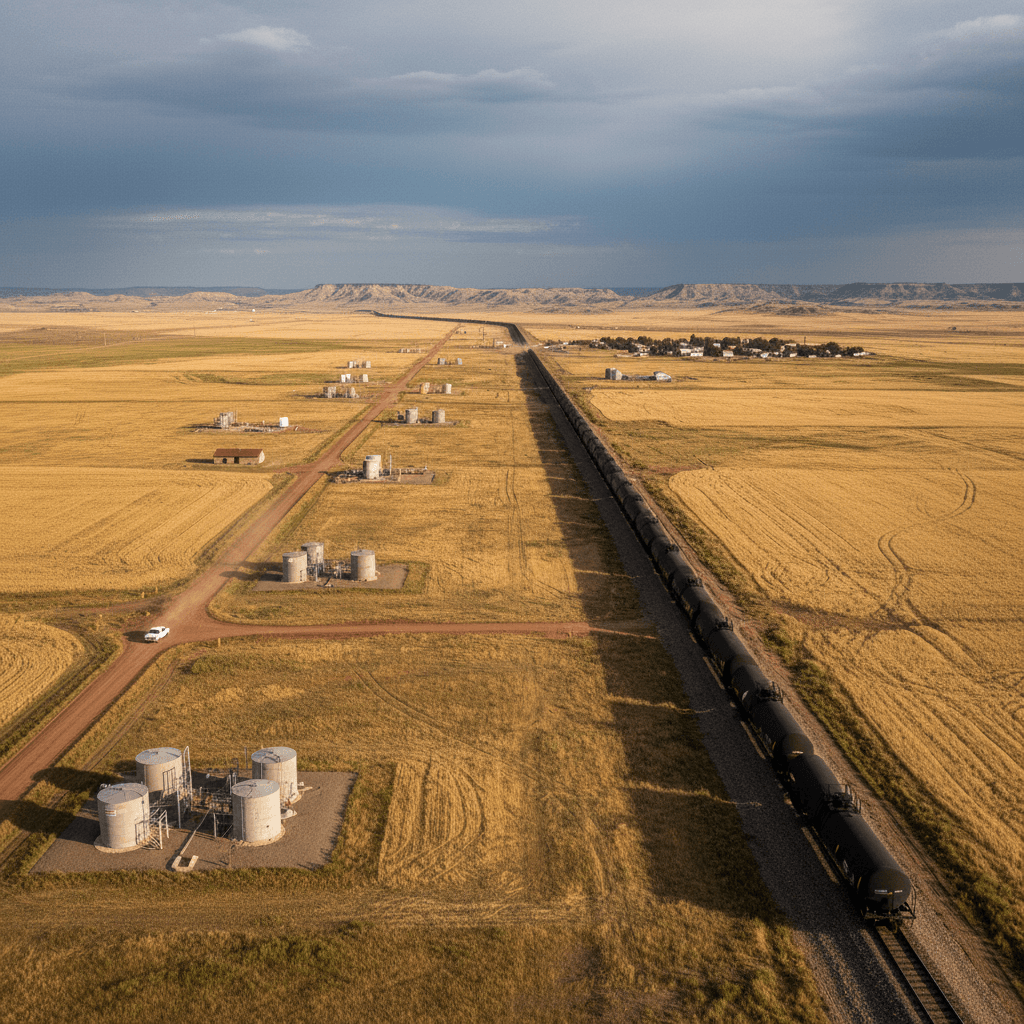
For Bakken operators, these global trends highlight the complex and competing pressures on energy markets. Europe's accelerated renewable and storage build-out aims to reduce long-term fossil fuel reliance, while political pressure for affordability and security in the U.S. maintains a role for domestic oil and gas. The ongoing volatility underscores the importance of North Dakota's production in providing stable supply during a prolonged global transition.
Source
OilPrice.com reports from August 7-8, 2026.

