Global Energy Shifts Offer Context for Bakken as EU Eases Methane Rules
European policy shift and Middle East conflict are reshaping global oil and gas investment and regulatory pressure.
The European Commission has advised a three-year waiver of penalties for oil and gas companies that breach its strict methane emissions law, according to a report from OilPrice.com. The decision, driven by U.S. government pressure and energy security fears, delays the full implementation of rules set to begin in January 2027. For Bakken operators, this represents a potential near-term reprieve from one source of regulatory pressure on U.S. gas exports.
The EC cited "global energy markets tightness caused by the ongoing blockade of the Strait of Hormuz" as justification. The Strait has been largely closed since February, disrupting a trade corridor that normally carries about 20 percent of global petroleum liquids and gas supply. This geopolitical development is reshaping investment flows, with oilfield service giant SLB noting the conflict is encouraging customers to spread investment across more regions beyond the Middle East, Rigzone reported.
The EU's methane regulation, adopted in 2024, was the first of its kind and could have imposed fines of up to 20 percent of a company's annual turnover for non-compliance. Critics, including climate groups, argue the waiver gives a "free pass" to methane-intensive imports, notably from the U.S. Esther Bollendorff of Climate Action Network Europe stated the move risks giving a free pass to such imports and that member states should still implement robust penalty systems.
Meanwhile, corporate operational updates show a tightening focus. Australian producer Santos narrowed its 2026 production forecast from 101-111 million barrels of oil equivalent to 99-105 MMboe, Rigzone reported. This adjustment comes despite ramp-ups at major projects, indicating a more conservative operational stance that may reflect broader industry caution.
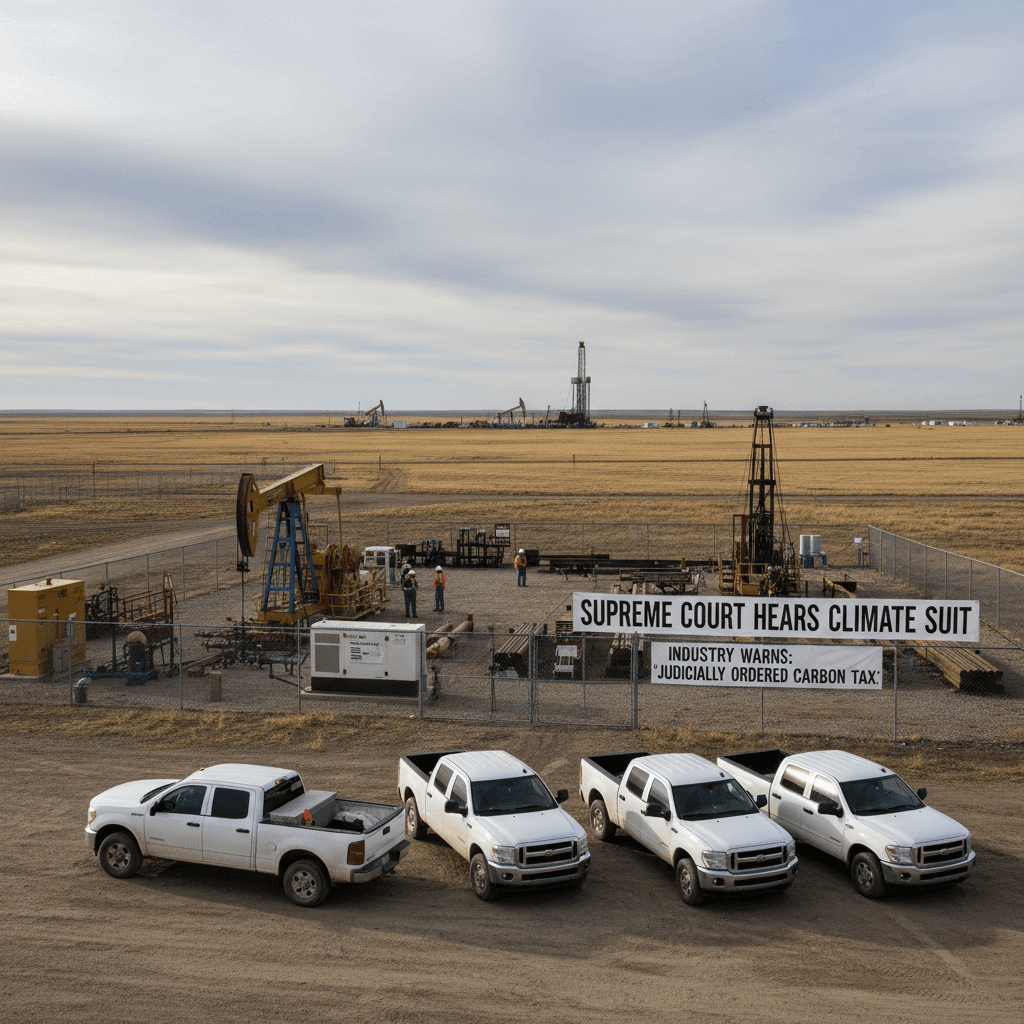
For North Dakota's Bakken operators, these global developments provide crucial context. The eased near-term regulatory pressure from a key export market may alleviate some compliance concerns for associated gas. However, the underlying global push to measure and report methane emissions continues. The Middle East instability underscores the value of stable, non-OPEC production from regions like the Williston Basin, potentially supporting investment. The shift in capital allocation described by SLB could benefit established, lower-risk basins as companies diversify geographically.
Source
OilPrice.com, Rigzone