Global Energy Shifts Pose Opportunities, Challenges for Bakken
Lithium from produced water, increased Chinese production, and Russian fuel limits create a complex backdrop for North Dakota operators.
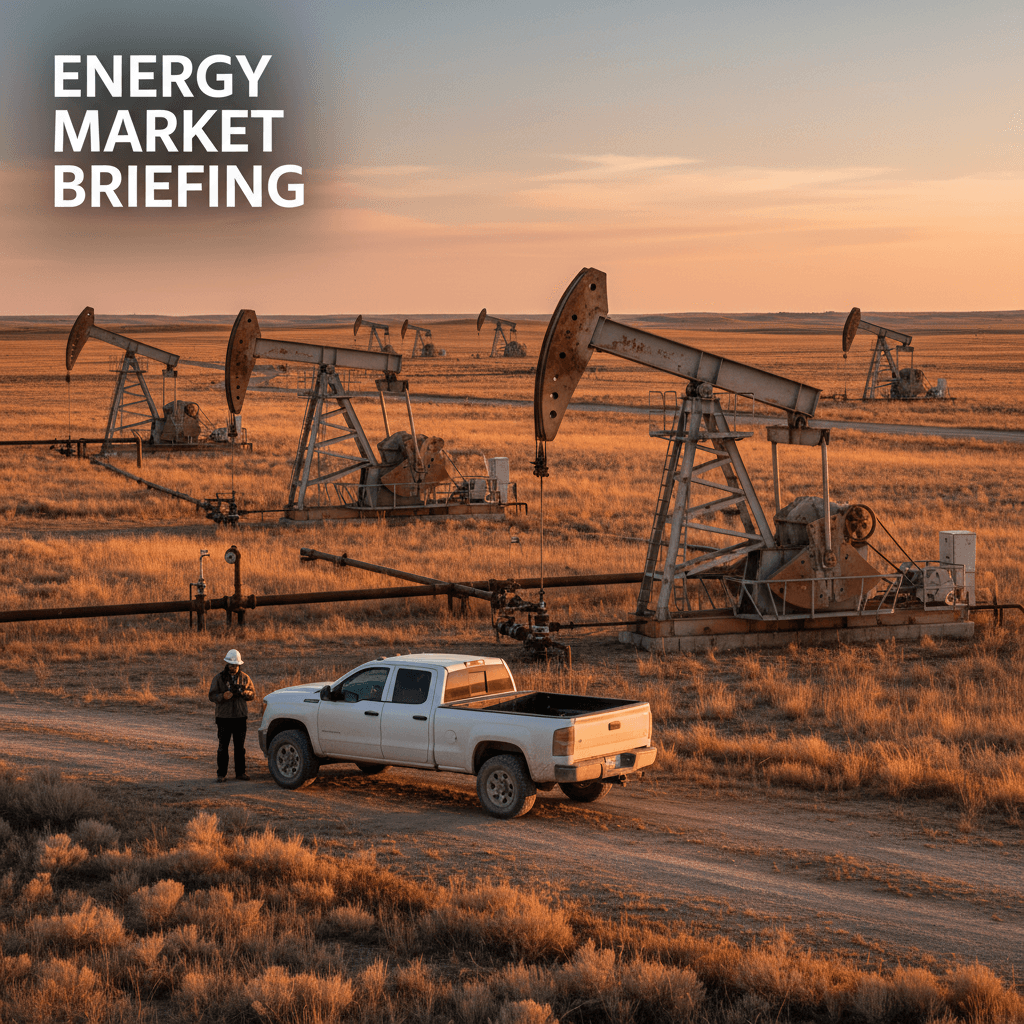
A technological breakthrough in the Permian Basin could have significant implications for North Dakota's oil industry by turning a major waste stream into a valuable commodity. According to OilPrice.com, Permian innovator LibertyStream is now commercially producing lithium carbonate by extracting it from produced oilfield water at a site in Texas. The company's system, installed at a Select Water Solutions facility in Howard County, processes the mineral-rich wastewater that accompanies crude production. For the Bakken, which also handles massive volumes of produced water, this demonstrates a potential new revenue stream that leverages existing infrastructure.
The demand driver for this lithium is shifting rapidly. OilPrice.com reports that lithium demand from Battery Energy Storage Systems (BESS) surged 51% last year, nearly double the growth rate of EV-related demand. This is fueled by hyperscalers like Amazon, Google, Microsoft, and Meta building power-hungry data centers for AI, making reliable electricity storage mission-critical. A domestic lithium supply chain, potentially sourced from oilfield operations, could reduce reliance on China, which controls roughly 85% of global battery cell production capacity.
Meanwhile, global oil supply dynamics are being influenced by state-led production increases. China's CNOOC announced the launch of full production from phase one of the Kenli 10-2 oilfield in the Bohai Sea, yielding more than 20,500 barrels per day, according to OilPrice.com. Similarly, Sinopec has ramped up output from shale fields like the Jiyang base in Shandong. This push for domestic energy security, ordered by Chinese authorities, could incrementally affect long-term global supply balances that influence Bakken drilling economics.
In Russia, potential government interventions may tighten global fuel markets. Rigzone reported that Russian oil companies were advised to curb sales of oil products to foreign markets following a government meeting on the domestic fuel market. Any formal limits on exports from a major refined product supplier could increase global competition for diesel and other fuels, potentially supporting crack spreads that benefit complex refineries processing Bakken crude.
For Bakken operators, these disparate global developments sketch a landscape of both opportunity and competition. The proven commercial extraction of lithium from produced water opens a frontier for monetizing a cost center. Concurrently, increased state-controlled production abroad and potential disruptions to fuel trade flows underscore the interconnected and volatile nature of the global energy markets that ultimately set the price for North Dakota's crude.
Source
OilPrice.com, Rigzone