Global Energy Shifts Post-Iran War Pose Long-Term Questions for Bakken
Analysis suggests market volatility strengthens case for renewables, as European deals highlight investment pivot away from fossil fuels.
The conclusion of the Iran war is strengthening the long-term investment case for renewable energy and storage, according to an analysis from OilPrice.com, posing strategic questions for hydrocarbon-producing regions like the Bakken. While the immediate winners are firms involved in reconstruction and munitions, the oil and gas industry faces a more complex outlook.
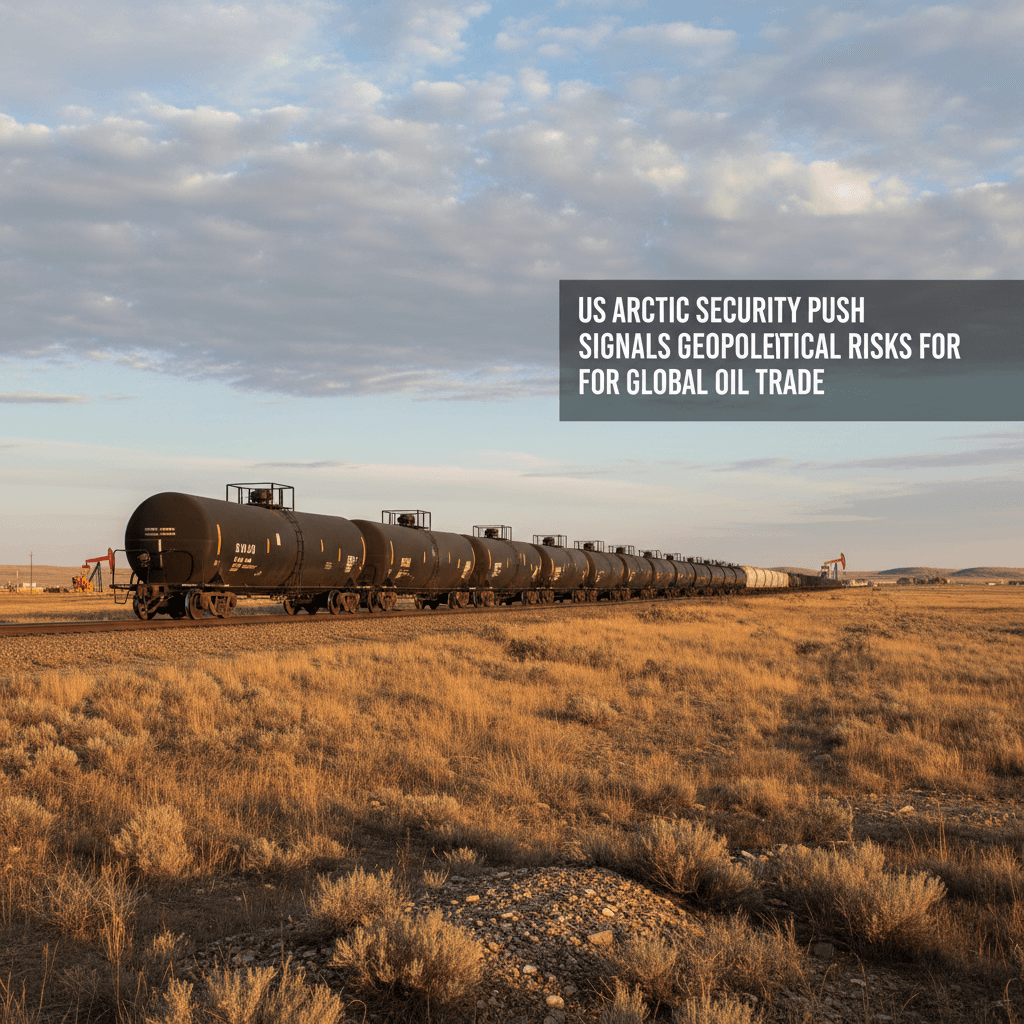
According to the analysis, oil prices have already retreated from war-induced highs, with the potential for Iran to rejoin the global market adding to supply. The price shocks and delivery disruptions experienced by consumers, similar to the 1970s oil embargo but with modern alternatives, could dampen long-term demand. Consumers may increasingly turn to renewables or seek supplies from non-Persian Gulf sources like Guyana and Venezuela, creating a scenario of more supply fighting for the same demand.
For U.S. producers, including those in the Bakken, the analysis notes that domestic consumers faced price shocks because oil sells at world prices, with companies selling at the highest international price available. This dynamic could accelerate consumer questioning of hydrocarbon dependence. In the natural gas sector, the war initially looked like a short-term winning strategy for LNG suppliers filling gaps, but it also signals to consumers the need to diversify away from geopolitically risky regions like the Persian Gulf.
However, the analysis suggests U.S. LNG exports face political risks due to potential domestic price impacts, which could be a factor in future elections. Ultimately, LNG may have to compete more directly with renewables and nuclear power as buyers seek less risky, more domestic alternatives.
Concurrent with this analysis, recent European energy deals highlight the continued capital flow into renewables. Uniper has secured a customer for a major solar portfolio in Poland, according to Rigzone. Respect Energy signed a six-year agreement to purchase 100 percent of the power and guarantees of origin from four Uniper photovoltaic projects with a combined capacity of 219 megawatts peak.
In a separate move reported by Rigzone, the offshore wind joint venture JERA Nex, owned by Japan's JERA and Britain's BP, has increased its stake in the European market. The venture completed the purchase of Sumitomo's stakes in two Belgian offshore wind farms with a combined capacity of 384 megawatts.
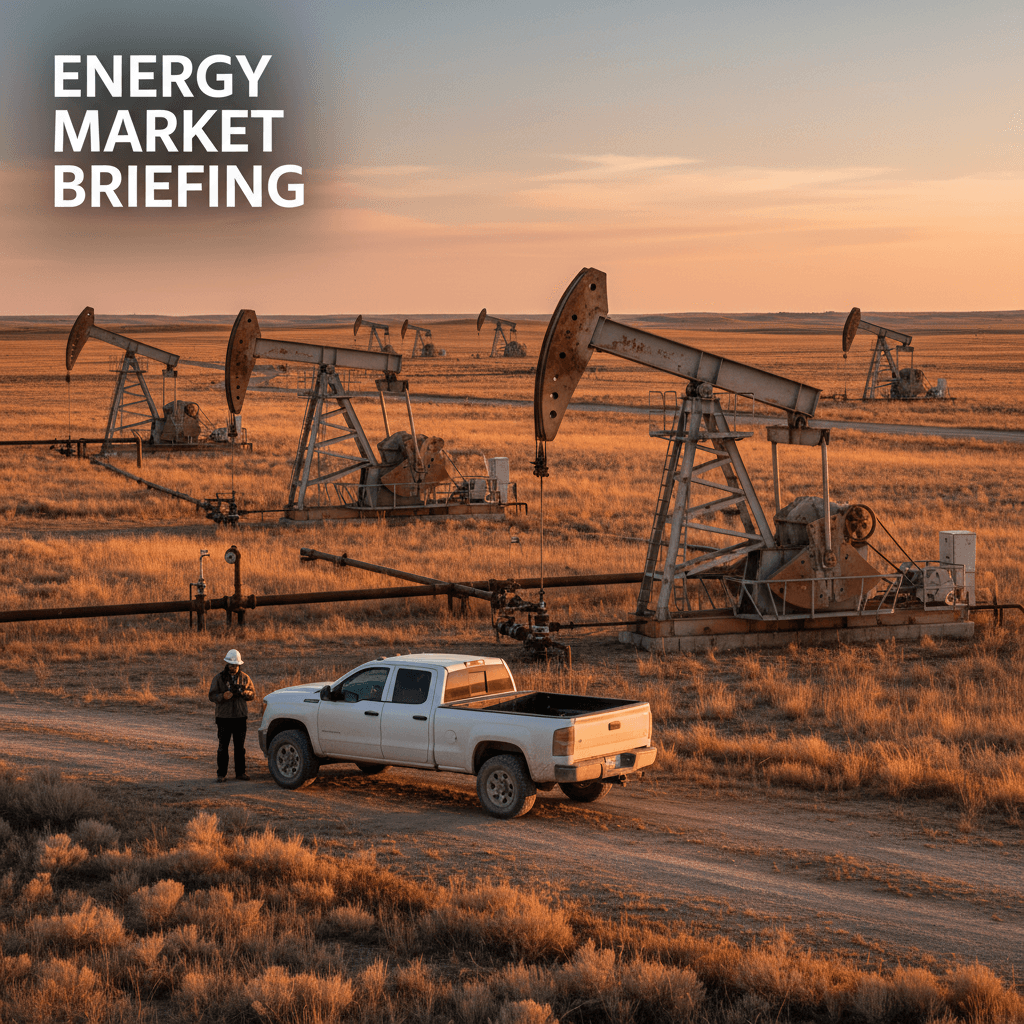
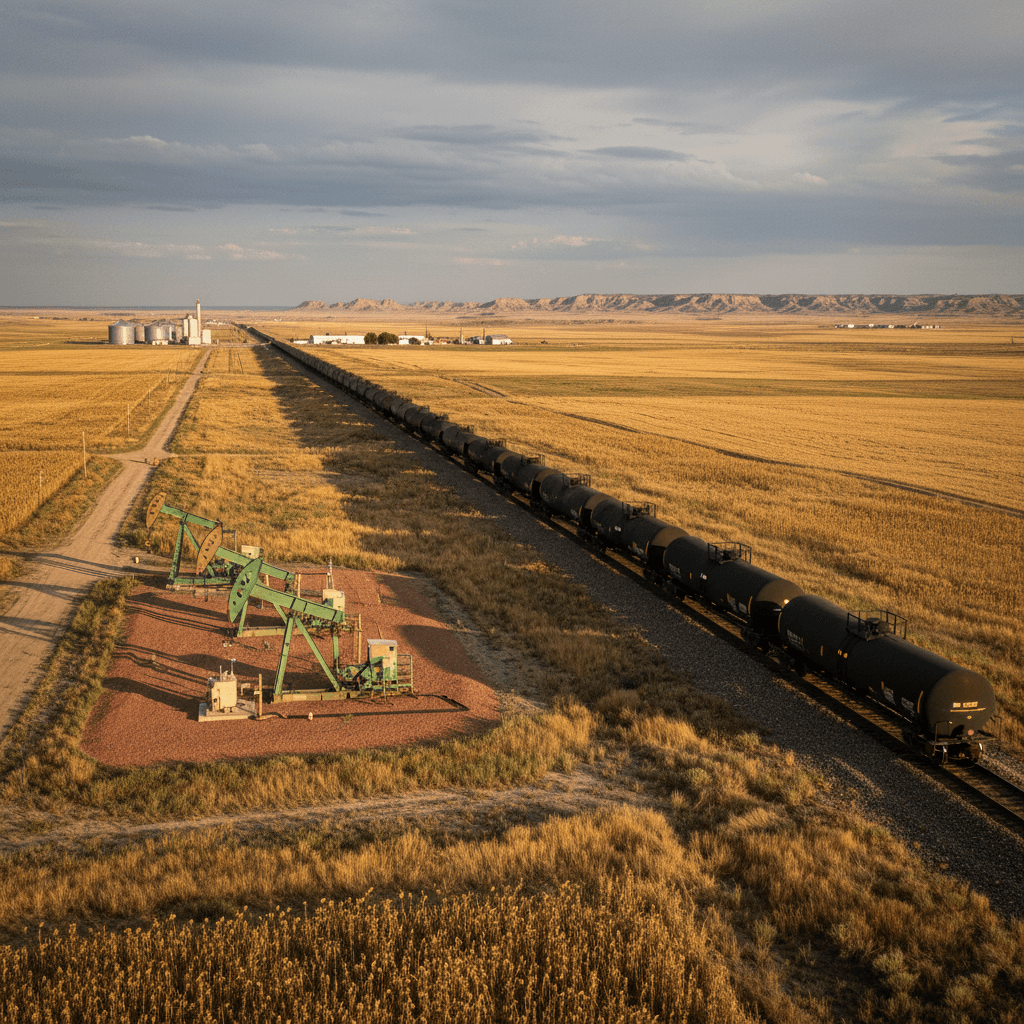
For Bakken operators and royalty owners, these global developments underscore a shifting investment landscape. While North Dakota's oil production remains vital in the near term, the long-term market signals suggest increasing competition from diversified energy supplies and a growing consumer and institutional pivot toward renewable power sources, driven by both economic and geopolitical considerations.
Source
Analysis from OilPrice.com; corporate deal reports from Rigzone.