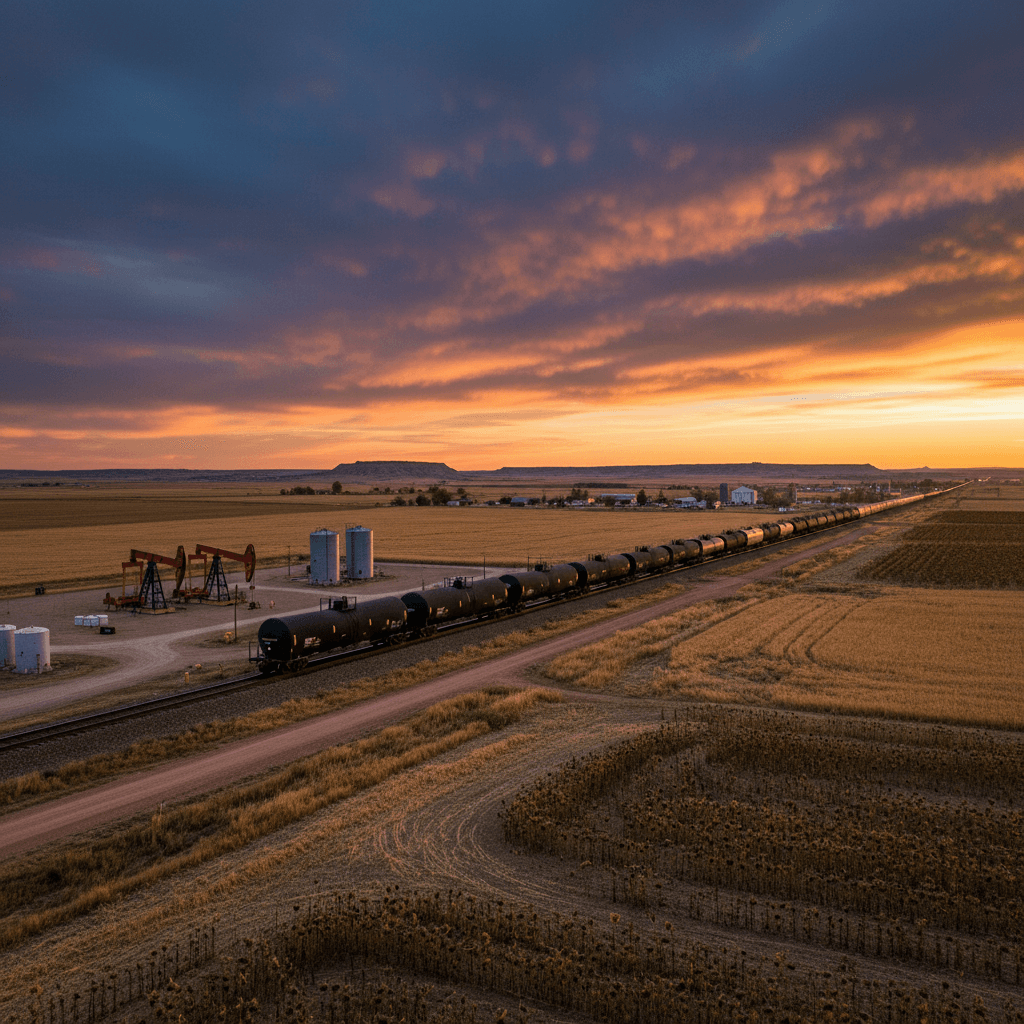
Global Energy Shifts Present Risks, Opportunities for Bakken Operators
Appalachian lithium discovery, coal resurgence, and Alaska LNG deal signal changing market dynamics for North Dakota's oil and gas industry.
A major domestic lithium discovery and a global pivot back to coal are reshaping the energy landscape, with significant implications for North Dakota's Bakken formation, according to reports published Wednesday. These shifts highlight competing pressures on the oil and gas sector from energy security needs and the transition to electrified transportation.
The United States Geological Survey has identified over 300 years' worth of lithium resources in the Appalachian region, a find that could bolster U.S. battery supply chain independence. According to an OilPrice.com report, the study found Appalachia may hold 2.3 million metric tons of recoverable lithium oxide. USGS Director Ned Mamula stated the research "highlights the abundant potential to reclaim our mineral independence." The discovery, centered in Maine, New Hampshire, and Vermont, presents a long-term strategic resource as global lithium demand is projected to grow over 40-fold by 2040, according to the International Energy Agency.
Concurrently, the global energy crisis triggered by conflict in Iran is driving a resurgence in coal demand, according to a separate OilPrice.com report. Countries like India and South Korea are boosting coal-fired power generation due to soaring natural gas costs and supply vulnerabilities, particularly for LNG shipped through the Strait of Hormuz. India's coal plants are providing over 75% of power during a record heatwave. This trend underscores the persistent role of fossil fuels for baseload power during supply crunches, which could support longer-term demand for hydrocarbon production from regions like the Bakken.
In another move emphasizing domestic energy security, ConocoPhillips has signed a 30-year deal to supply natural gas from Alaska's North Slope to the state via the Alaska LNG project, Rigzone reported Wednesday. This long-term commitment to a large-scale domestic gas project reflects a broader industry focus on securing reliable North American energy supply chains.
For Bakken operators and North Dakota royalty owners, these developments present a complex picture. The Appalachian lithium discovery represents a potential long-term competitor for investment capital and policy focus, as the federal government seeks to secure critical mineral supply chains currently dominated by China. However, the global coal resurgence and new LNG infrastructure investments highlight the ongoing, and in some cases strengthening, demand for reliable fossil fuel energy. The Alaska LNG deal demonstrates major producers are locking in long-term domestic gas commitments, a strategy that could be mirrored in the Bakken if market conditions support similar midstream investments. The overall trend points toward a multi-decade energy mix where Bakken hydrocarbons remain vital for both domestic security and global markets facing geopolitical instability.
Source
OilPrice.com, Rigzone

