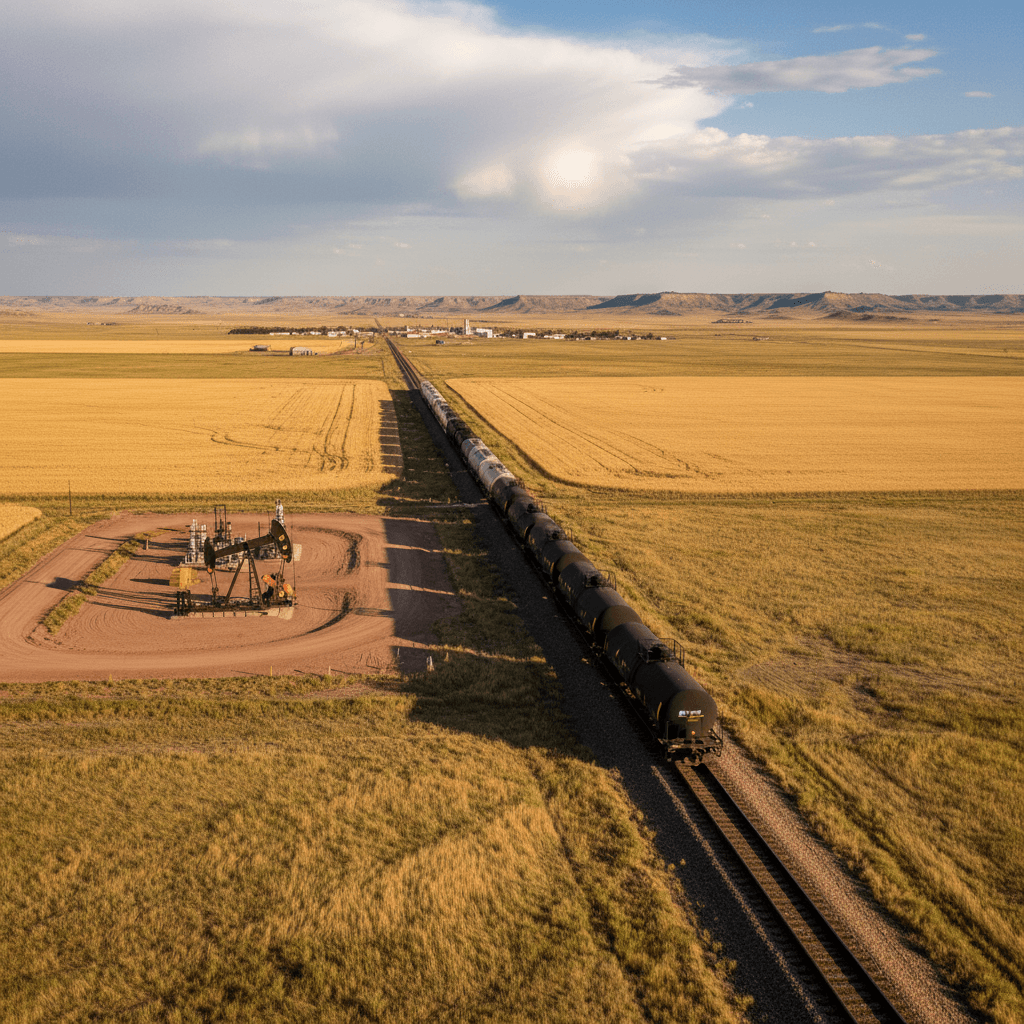
Global Energy Shifts, Russia's Struggles Present Complex Backdrop for Bakken
U.S. focus on geothermal and nuclear, combined with sustained pressure on Russian oil, creates a mixed outlook for North Dakota crude markets.
The United States is focusing on enhanced geothermal and next-generation nuclear power to counter China's clean energy dominance, a strategic pivot with long-term implications for fossil fuel demand. According to an OilPrice.com report, the Trump administration has doubled down on these technologies as part of a strategy for energy security, moving away from broader clean energy supports. While China outspent the rest of the world combined on clean energy from 2019-2025, investing over $500 billion, the U.S. invested $236 billion in the same period.
This U.S. technological push coincides with sustained military and economic pressure on Russia, a major global oil competitor. Another OilPrice.com source details that Ukrainian drone attacks have damaged nearly 43% of Russia's operating refinery capacity since the start of 2026, following a concentrated blitz that began in August 2025. These attacks have created significant logistical and economic chaos within Russia, even pushing the country's largest online retailer to seek warehouse space in Kazakhstan to avoid drone strikes.
Further pressure comes from European sanctions. The European Union agreed on July 23 to freeze the price cap on Russian seaborne oil at $44.10 per barrel for at least another year, pausing an expected increase of over $10 per barrel. The EU also escalated measures against Russia's "shadow fleet" of tankers, sanctioning support vessels that refuel or tow blacklisted ships.
For Bakken operators, these global dynamics present a complex picture. The sustained attacks on Russian refining capacity and the frozen price cap could tighten global refined product supplies, potentially supporting crack spreads and benefiting U.S. refiners that process Bakken crude. However, the long-term U.S. policy shift toward geothermal and nuclear energy underscores a continuing transition that could eventually pressure hydrocarbon demand.
The immediate energy security narrative driven by data center and AI demand growth, as cited in the U.S. energy strategy report, may support continued oil and gas production in the near term. Yet, the enormous scale of global investment in clean energy, led by China, signals a competitive future energy landscape where the Bakken's long-term position may hinge on cost competitiveness and operational efficiency. The ongoing degradation of Russian military and oil infrastructure highlights continued geopolitical risk in global oil markets, a factor that historically contributes to volatility that impacts Bakken pricing.
Source
According to reports from OilPrice.com published August 3, 2026.

