Global Energy Shifts Toward Electrification, Bolstering China's Clean Energy Dominance
As nations seek energy security and climate goals, Bakken oil faces dual pressures from rising renewables and volatile geopolitics.
China is tightening its grip on the global clean energy supply chain, a trend accelerated by geopolitical instability and the pursuit of energy security, according to reports from OilPrice.com. This shift presents a complex long-term landscape for Bakken crude oil producers, who operate in a market increasingly influenced by electrification targets and alternative energy competition.
China's clean energy exports to the United States are surging, according to customs data from May cited by OilPrice.com. Exports of photovoltaic cells for solar panels jumped 346% year-on-year to $39.96 million, while lithium-ion battery exports rose 20.8% to $780 million. This growth is partly fueled by the ongoing war in Iran, which has closed the Strait of Hormuz—a chokepoint for one-fifth of the world's crude oil—creating extreme turmoil in global oil and gas markets. Analysts note this precarity is catalyzing a global clean energy transition as countries rush to build energy independence, with China as the primary supplier.
"The shift toward clean energy is increasingly being seen as something that can reinforce energy security," said Yang Biqing, a China analyst at energy think tank Ember, in an interview with the Washington Post referenced by OilPrice.com.
Concurrently, a major global policy push for electrification is taking shape. Turkey, hosting the upcoming COP31 climate summit, is urging countries to electrify 35% of their total energy use by 2035, up from 20% today, according to a separate OilPrice.com report. The summit will focus on electrifying the global economy to reduce reliance on fossil fuels, which still supply around 80% of global energy. "By electrifying daily life, from transport to buildings and industry, we can protect families and businesses from volatile energy markets," said Turkish Environment Minister Murat Kurum.
These structural shifts underscore the long-term demand challenges for fossil fuels, even as current market volatility highlights the ongoing need for reliable energy. This tension is illustrated by the UK grid operator issuing its second power supply warning in as many days on Friday, June 26, as reported by Rigzone. Such instability in major economies underscores the complex energy transition, where near-term reliability concerns coexist with long-term decarbonization goals.
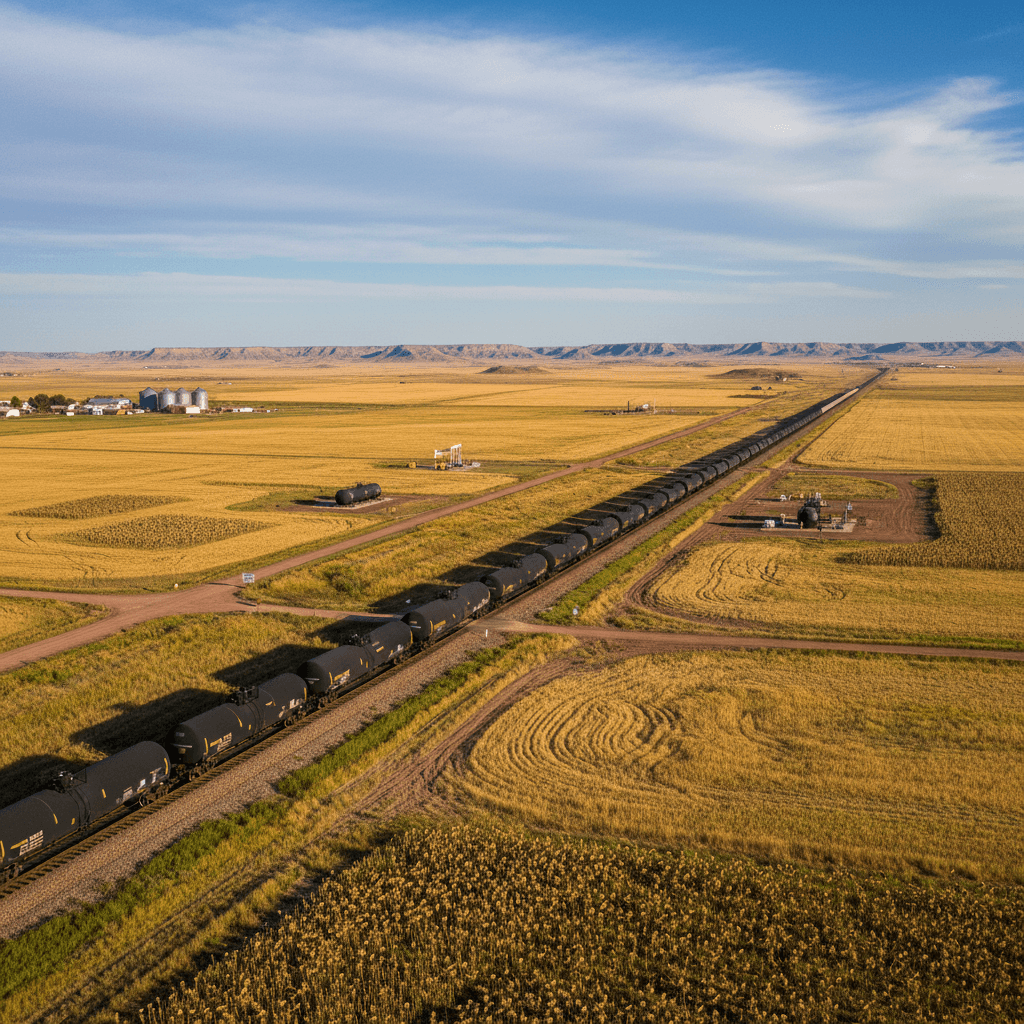
For North Dakota's Bakken operators, these global developments frame a strategic environment where geopolitical risk supports oil prices in the short term but amplifies competition from alternatives in the long term. The drive for energy security, now a top government priority worldwide, is manifesting both in continued fossil fuel demand during crises and in accelerated investment in electrification and renewable technology supplied overwhelmingly by China.
Source
OilPrice.com, Rigzone

