Global Geopolitics, Investment Shifts Pose Risks and Context for Bakken
Yemen conflict renews shipping fears as majors pivot capital to SE Asia, LatAm; UK steel nationalization underscores industrial policy focus.
The reignition of Yemen's civil war threatens new disruption to global oil shipping lanes, according to a report from OilPrice.com on Thursday. The Houthi rebels, after a four-year unofficial truce, have re-entered conflict and issued threats to fight alongside Iran, potentially making key regional waterways "ever more impassable for the global oil trade." This escalation introduces a fresh layer of geopolitical risk to energy markets, which can influence the price environment for Bakken crude.
Simultaneously, major oil companies are shifting long-term investment capital away from traditional regions due to prolonged Middle East instability. Eni CEO Claudio Descalzi told a parliamentary committee Thursday that geopolitics will remain a permanent risk, leading the industry to bet on Southeast Asia and Latin America. According to the OilPrice.com report, Southeast Asia is seeing a surge in final investment decisions for natural gas, potentially boosting regional output by roughly 18%. Eni and Malaysia's PETRONAS have launched a 50/50 joint venture to consolidate 19 upstream gas assets across Indonesia and Malaysia.
In South America, Argentina and Guyana are driving a regional boom. Eni is involved in developing the approximately $30 billion Argentina LNG export complex and a $1.2 billion gas pipeline from the Neuquén basin. Descalzi also highlighted North and Sub-Saharan Africa as vital for long-term energy security. This capital migration underscores a broader industry focus on securing supply outside the volatile Middle East, which may affect global competition for investment and technical resources.
In a separate industrial development, the UK government has taken British Steel under state ownership, the business department said Thursday. The nationalization, which passed a public interest test, aims to secure thousands of jobs and preserve the country's steelmaking capability. Business Secretary Peter Kyle said the move was made "in the national interest." This action follows the breakdown of talks with former Chinese owner Jingye and the passage of new legislation easing the path to nationalize critical industries. The move reflects a growing global trend of governments asserting control over foundational industrial assets, a context relevant to energy and manufacturing supply chains.
The Yemeni conflict is also creating a severe domestic energy crisis. OilPrice.com reports that in southern Yemen, the city of Aden is experiencing power cuts for up to 20 hours daily due to halted power stations and a lack of crude oil supplies. This has led to dangerous alternatives, including a rise in hazardous solar battery installations and vehicle conversions to cooking gas, causing an increase in deadly fires.
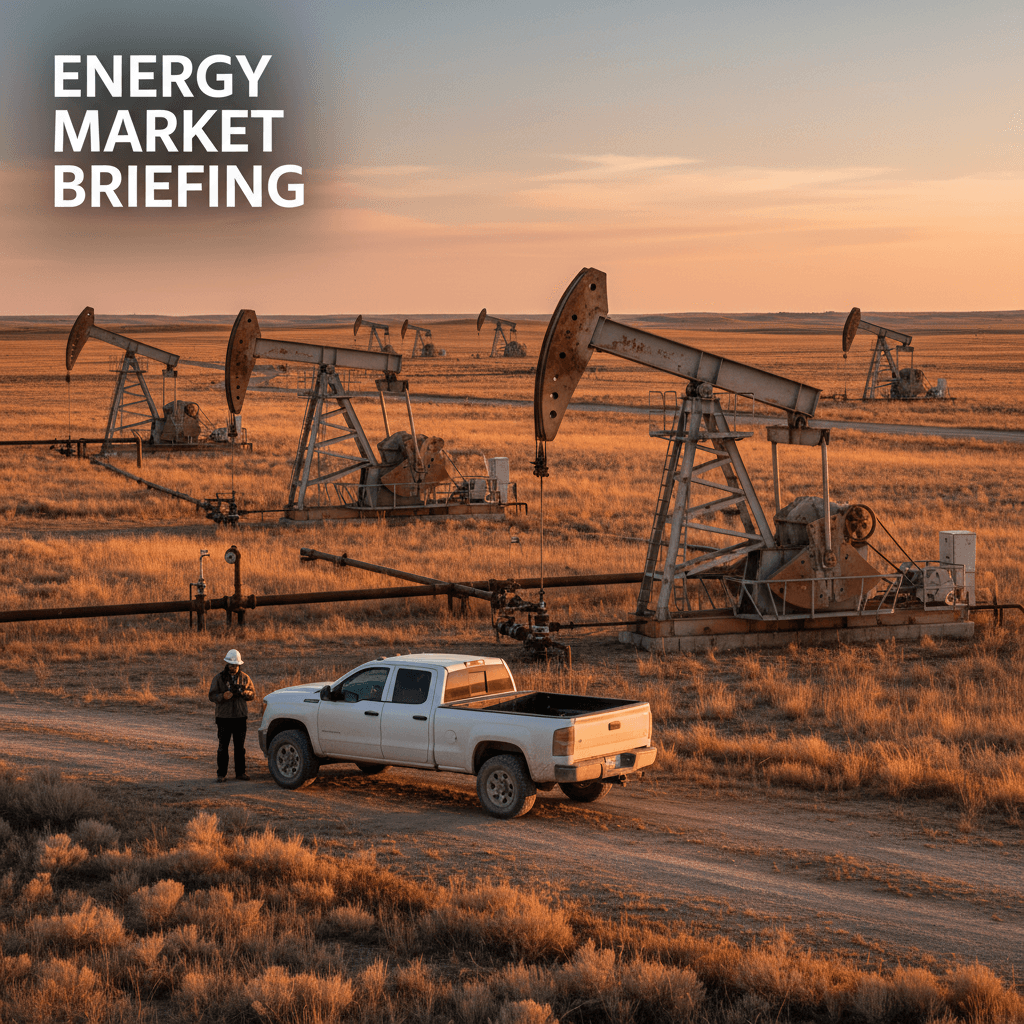
For Bakken operators, these global developments highlight the interconnected nature of oil markets. Renewed threats to maritime chokepoints could impact global crude benchmarks, while the strategic pivot of international majors illustrates the evolving landscape for long-term capital allocation and project development.
Source
According to reports from OilPrice.com published July 16, 2026.