Global Heatwave, Energy Policy Shifts Impact Commodity Flows, Tech
Europe's Rhine River disruption, India's fuel efficiency push, and microgrid growth signal global energy market pressures relevant to Bakken producers.
An intense heatwave in Europe is disrupting critical energy supply chains, according to a report from OilPrice.com. Low water levels on the Rhine River, a major petroleum product and coal transportation corridor, have forced navigation restrictions. Barges cannot be fully loaded, raising shipping costs and delaying shipments of fuels like diesel to Germany and central Europe. This disruption coincides with the protracted Strait of Hormuz crisis, which is already hiking Europe’s energy costs and inflation.
The heatwave has also directly curtailed electricity generation in France, OilPrice.com reported. Nuclear power output was recently slashed by 6.4 gigawatts due to high river temperatures limiting the ability to cool reactors. While France continued exporting power, such supply shocks underscore grid vulnerabilities. These events add strain to European energy markets, which are key destinations for global petroleum products.
In policy news, India has proposed stricter vehicle fuel efficiency regulations to cut its oil consumption and import bill, according to OilPrice.com. The Corporate Average Fuel Efficiency (CAFE)-III norms, set to take effect April 2027, will require passenger vehicles to significantly lower fuel consumption and CO2 emissions by 2032. The policy includes a credit trading system for automakers and offers regulatory benefits for vehicles powered by alternative fuels like ethanol. The move aims to reduce India's reliance on imported crude oil, potentially shaping long-term global demand patterns.
Meanwhile, the rise of microgrids is becoming a significant trend in energy infrastructure, OilPrice.com reported. Defined as self-contained power systems that can disconnect from the main grid, microgrids are increasingly deployed for critical infrastructure, military bases, and near power-intensive AI data centers. They typically combine on-site generation—like solar panels or natural gas turbines—with battery storage and a smart controller. This trend toward localized, resilient power systems highlights a shift in how electricity is generated and managed, though its direct impact on hydrocarbon demand remains complex.
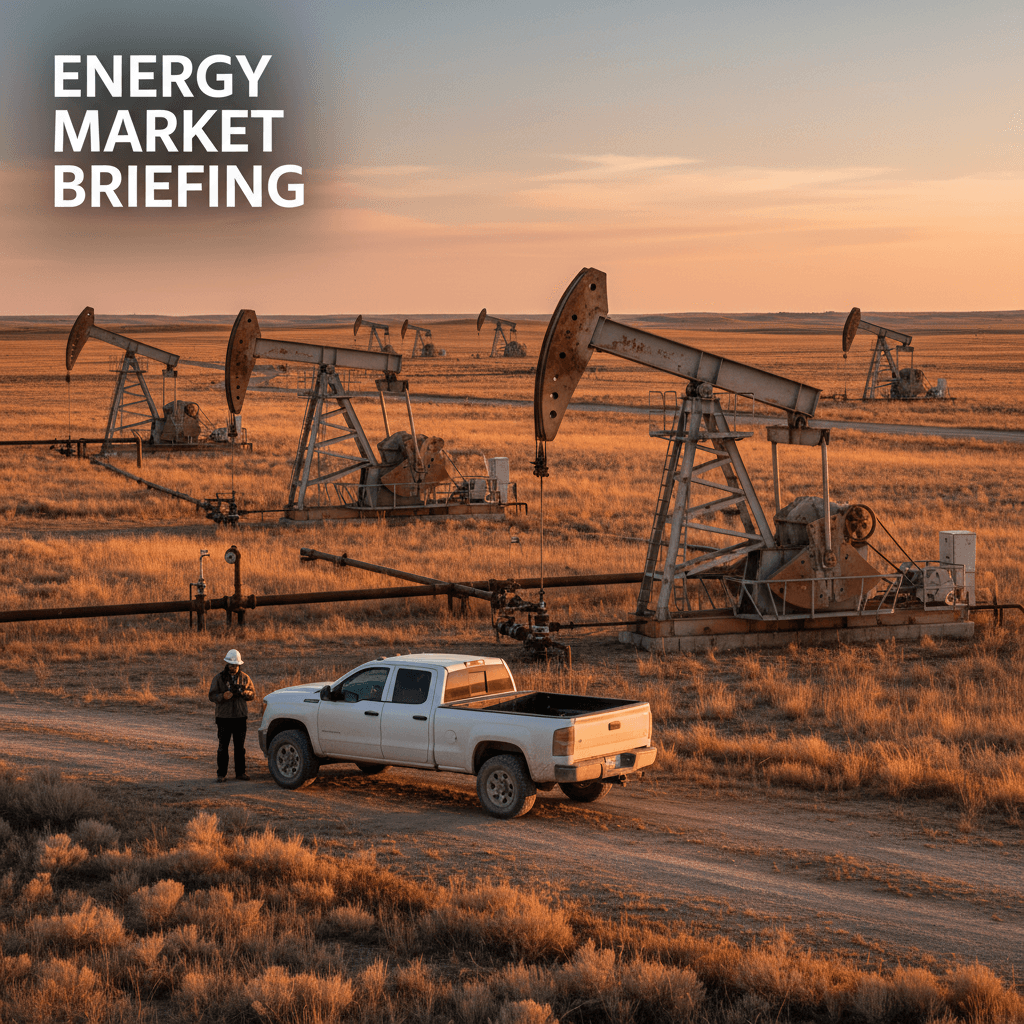
For Bakken operators and royalty owners, these global developments represent a mixed landscape. Transportation bottlenecks in Europe could influence diesel and distillate arbitrage, while India's push for fuel efficiency and alternative fuels poses a long-term, incremental headwind to global oil demand growth. The growth in microgrids, often incorporating natural gas generation, may sustain demand for flexible fuel sources.
Source
According to OilPrice.com reports from July 17-18, 2026.