Global Inflation Concerns Resurface, Impacting Bakken Outlook
Rising energy prices, new tariffs, and AI spending rekindle investor fears, adding uncertainty to oil market dynamics.
A resurgence of global inflation concerns, driven by spiking energy prices, new U.S. tariffs, and massive spending on artificial intelligence, is reintroducing market volatility that impacts Bakken operators, according to a report from Rigzone. The report, published July 25, states these factors are "reawakening investors' inflation fears."
For North Dakota's oil producers, renewed inflation angst presents a complex economic picture. Higher energy prices can directly boost crude oil revenues and improve cash flows for operators in the short term. However, persistent inflation typically pressures operational costs, including for labor, steel, and diesel fuel for drilling and completion crews.
The mention of "more U.S. tariffs" adds a layer of trade policy uncertainty. While the specific tariffs were not detailed in the summary, broader trade tensions can disrupt global supply chains for equipment and materials, potentially increasing costs and causing delays for Bakken development projects.
The massive capital flowing into artificial intelligence, as noted by Rigzone, represents a competing investment for global capital. While not directly related to oil and gas, it signals a shift in investor priorities that could make fundraising or securing favorable financing more challenging for energy ventures if capital continues to migrate toward tech sectors.
Overall, the rebounding inflation fears create a less predictable macro environment. Bakken operators must navigate the dual possibility of stronger near-term commodity prices against the risk of escalating costs and tighter capital conditions. This scenario favors companies with strong balance sheets and hedged production, while smaller operators may face increased margin pressure.
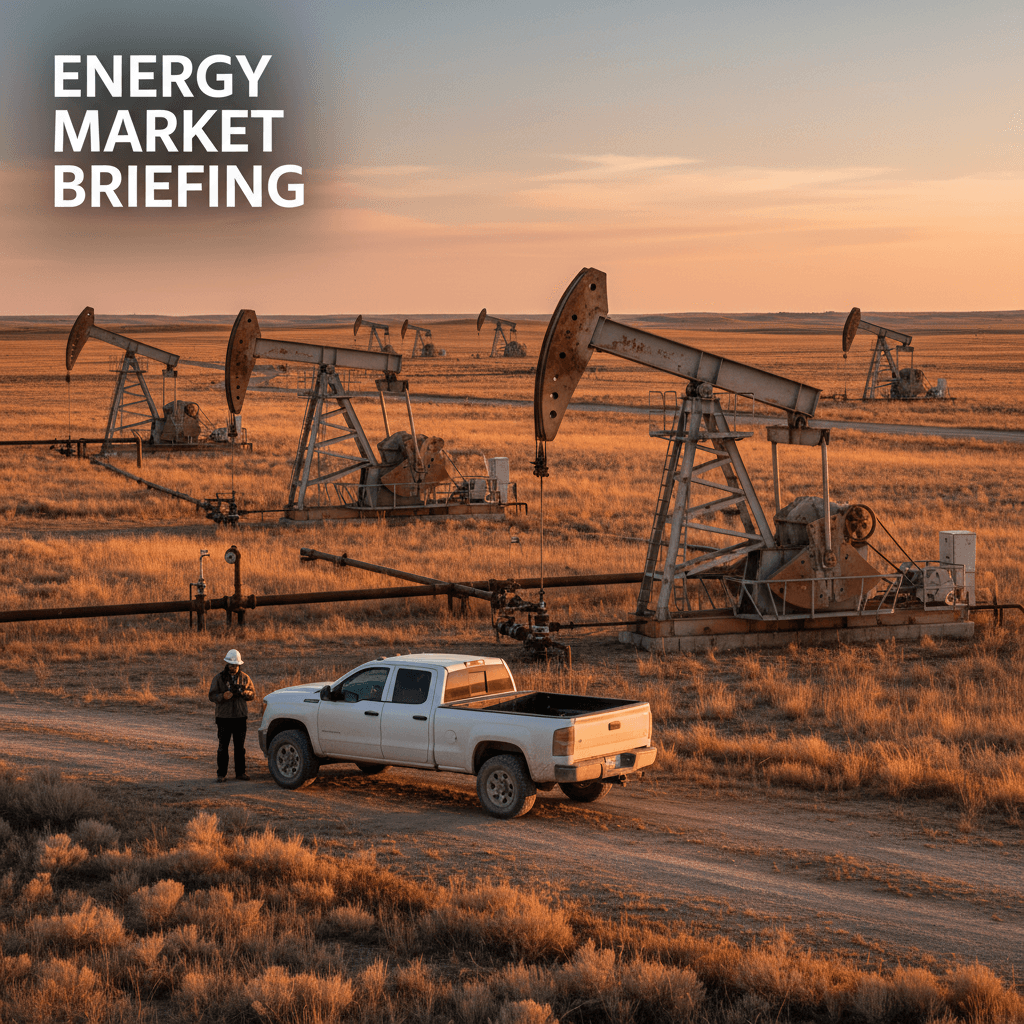
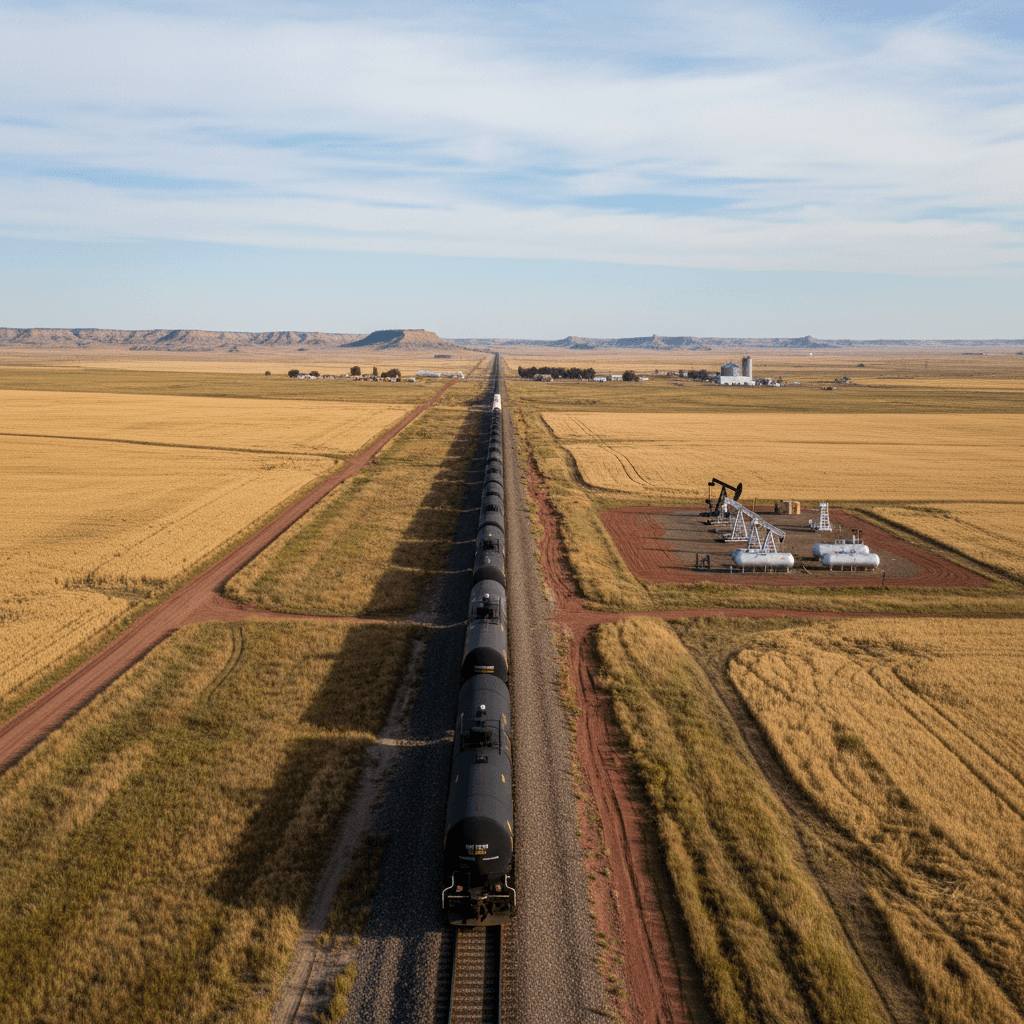
The Bakken formation, as North Dakota's primary oil-producing region, remains sensitive to these global financial currents. Market sentiment shaped by inflation data and Federal Reserve policy responses will be key factors influencing WTI crude prices and, consequently, drilling activity levels in the Williston Basin through the second half of 2026.
Source
According to a summary from Rigzone published July 25, 2026.