Global Inflation Fears Resurface, Threatening Bakken Economics
Rising energy prices and new U.S. tariffs are reawakening investor concerns that could impact oil demand and operator costs.
A resurgence of global inflation fears, driven by spiking energy prices and new U.S. tariffs, is introducing fresh uncertainty for Bakken operators, according to a report from Rigzone. The financial news outlet reported that these factors, alongside mushrooming spending on artificial intelligence, are reawakening investor anxiety.
For North Dakota's oil producers, renewed inflation concerns present a dual-edged sword. Higher energy prices, which are contributing to the inflation scare, can directly boost crude oil revenues and improve wellhead economics in the short term. The Bakken formation is a major contributor to U.S. light tight oil production.
However, sustained inflation fears often prompt central banks, like the Federal Reserve, to maintain or raise interest rates to combat rising prices. Higher borrowing costs can increase capital expenses for operators funding new drilling programs and well completions. This can pressure margins and potentially slow development activity in the Williston Basin.
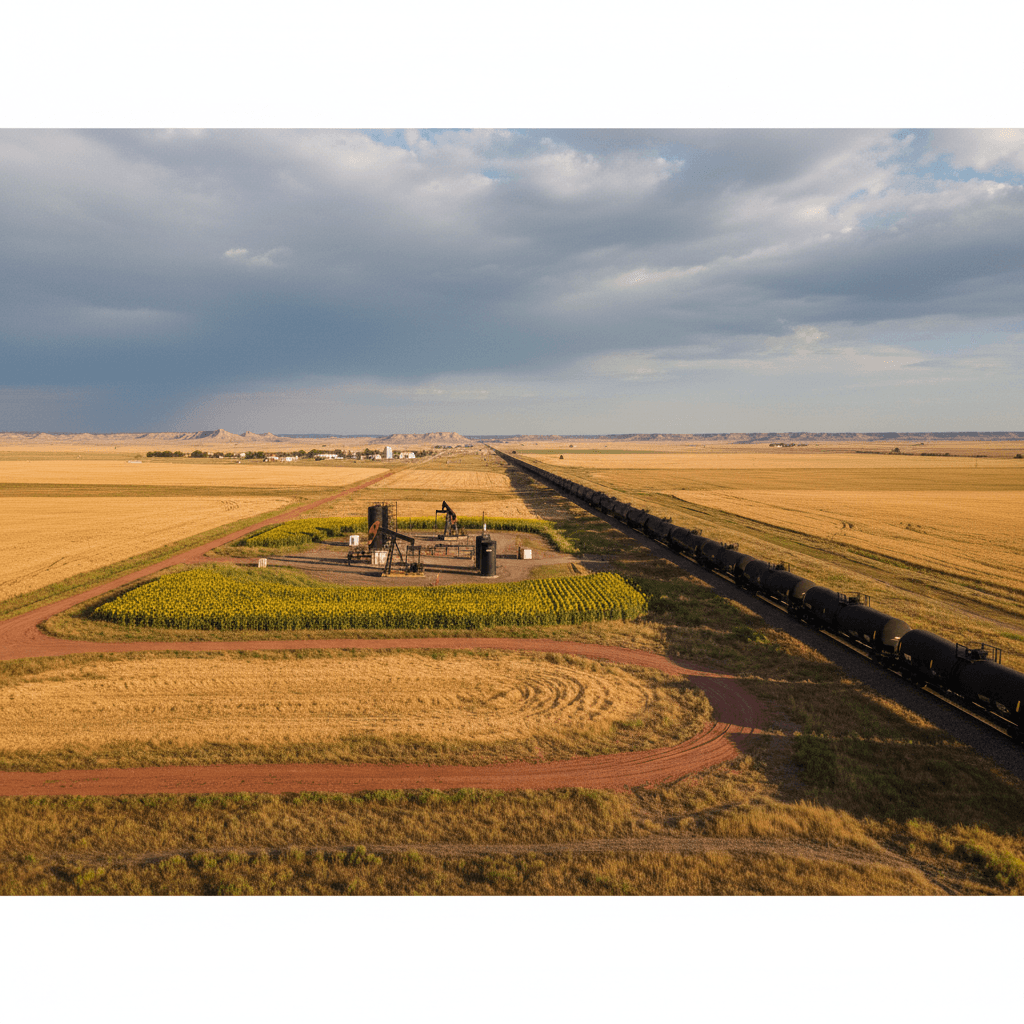
Furthermore, the mention of new U.S. tariffs in the Rigzone report adds another layer of complexity. Tariffs can disrupt global trade flows and potentially dampen economic growth, which could soften long-term demand for oil and refined products. Bakken crude, which often moves to market via rail or pipeline to refining centers, could face volatile pricing if demand expectations waver.
While the immediate effect of higher oil prices may be positive, the broader market reaction to inflation signals is a critical watch point for Bakken operators and royalty owners. The industry must navigate the balance between near-term revenue gains and the potential for increased operational costs and a less favorable macro-economic environment for future investment.
Source
Rigzone