Global LNG, Crude Purchases Shift, Influencing Bakken Market Dynamics
New long-term LNG deal and a slowdown in Asian crude buying create a mixed backdrop for North American energy exports.
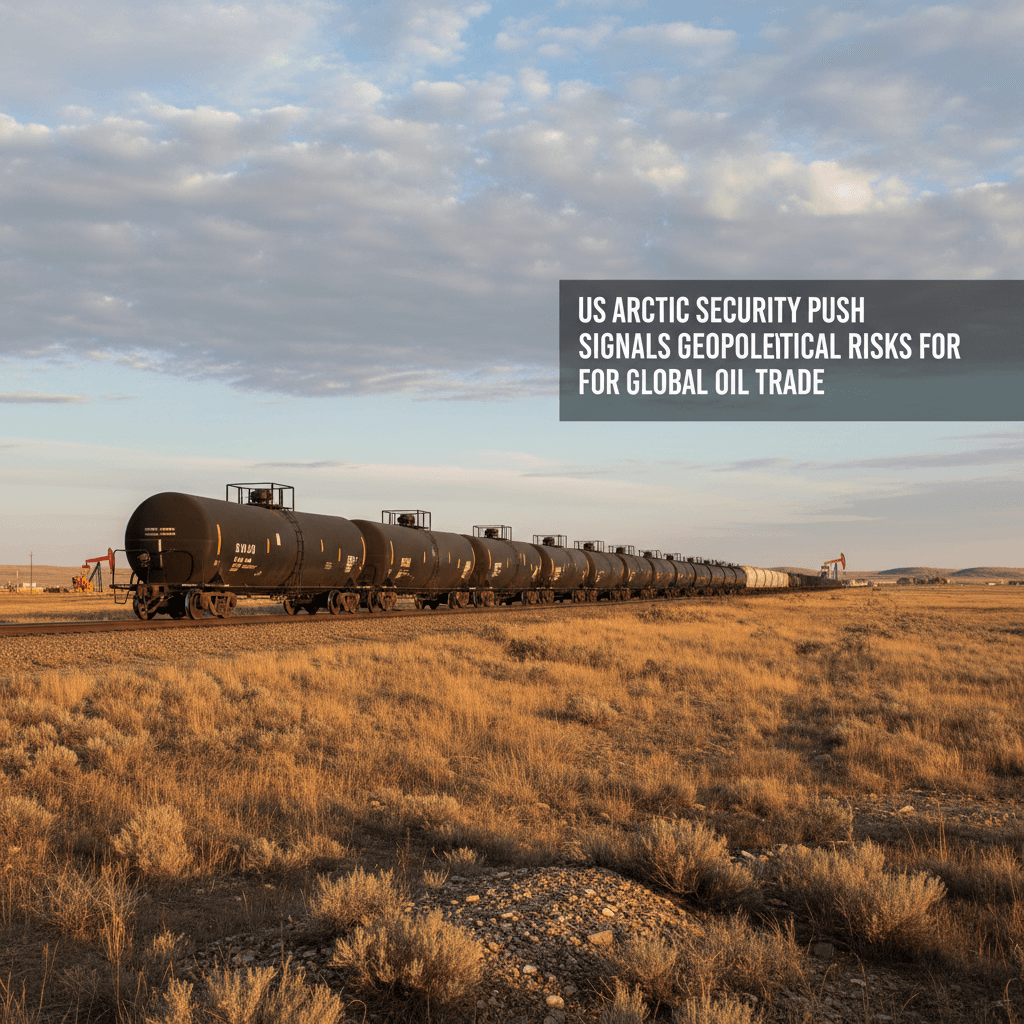
Asian refiners have slowed their purchases of Middle Eastern crude following a recent buying spree, according to a report from Rigzone. The shift in demand has left surplus barrels available, with oil majors and traders stepping in to absorb some of the supply. This change in buying patterns can influence global crude price benchmarks, which directly affect the realized price for Bakken Shale light sweet crude oil.
Simultaneously, a separate Rigzone report detailed that Woodside executed a long-term agreement to supply Western Australian natural gas to Alcoa from 2027 to 2030. Such contracts for liquefied natural gas (LNG) help underpin global gas markets. While not directly involving U.S. production, stable international LNG demand supports the overall natural gas price environment, which impacts the economics of associated gas produced from the Bakken's oil wells.
For Bakken operators, these developments represent contrasting forces. A potential softening in global crude benchmarks due to eased Asian demand could pressure wellhead prices in North Dakota, tightening margins. However, sustained long-term LNG contracting activity contributes to price support for natural gas, a critical byproduct for the region's operators.
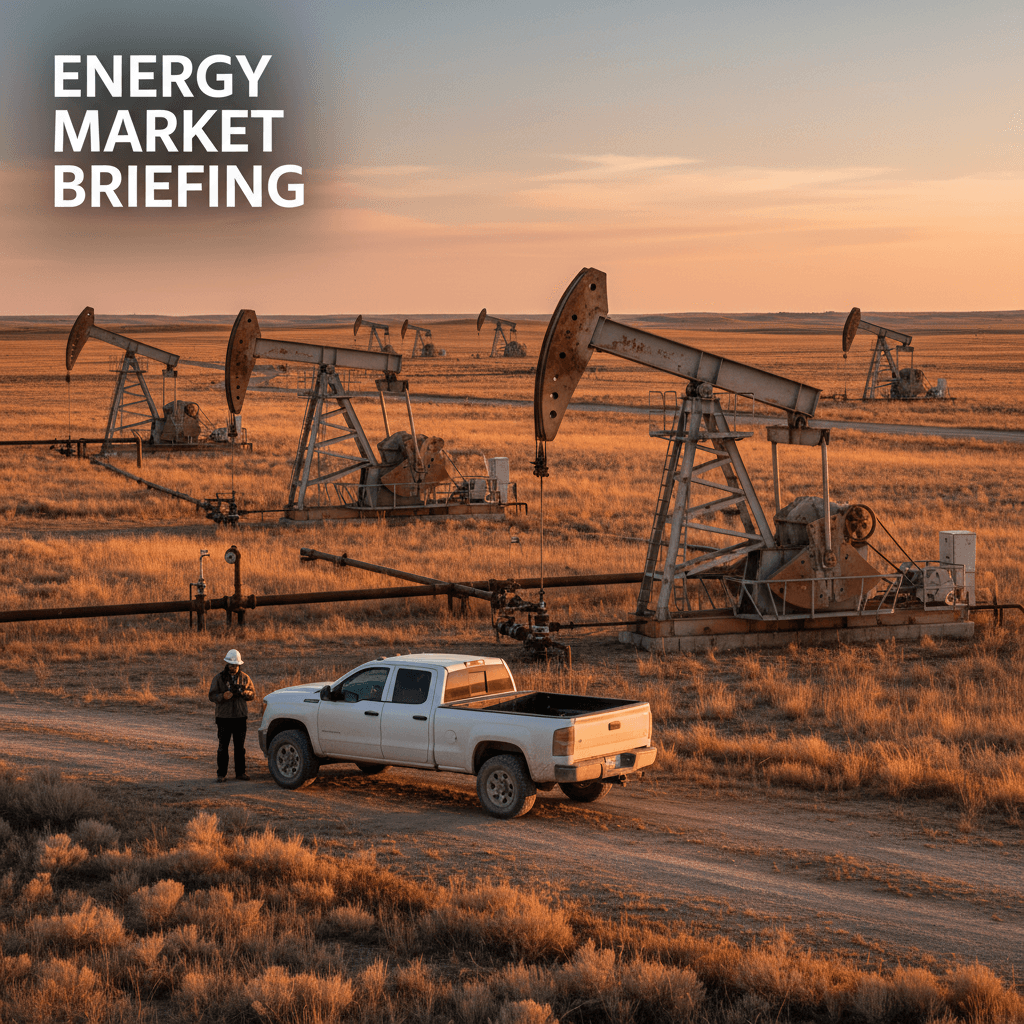
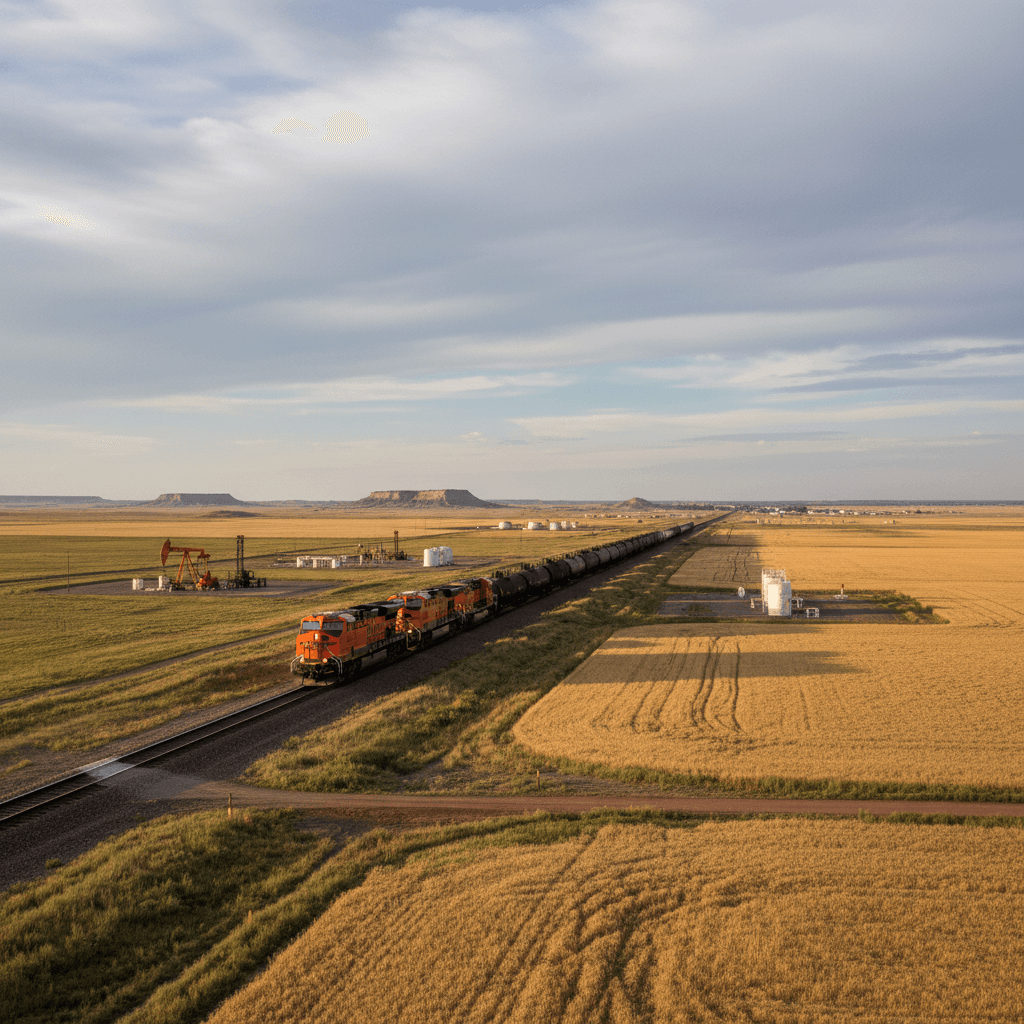
The Bakken formation is a major producer of light oil, which competes in a global market. Shifts in demand from key consuming regions like Asia are closely watched by local producers as they can signal changes in inventory levels and pricing trends. The health of the international LNG market also remains relevant as U.S. exports continue to grow, linking domestic gas prices more closely to global events.
Source
Rigzone reported on Asian crude demand and the Woodside-Alcoa gas supply agreement.