Global LNG Deal, Oil Price Volatility Highlight Geopolitical Market Risks
As Brent crude retreats from a four-year high, Bakken operators face a market shaped by Middle East conflict and shifting global energy partnerships.
Global oil prices experienced extreme volatility this week, with Brent crude surging to a four-year high near $126 a barrel before settling lower around $114, according to Rigzone. The price action, driven by thin trading volumes and algorithmic activity, underscores the ongoing market instability fueled by the U.S.-Iran conflict and the closure of the vital Strait of Hormuz.
The protracted war, which began with U.S. and Israeli airstrikes on February 28, has severely disrupted global energy flows. Iran responded to the attacks by effectively closing the Strait of Hormuz to international shipping, a move that has rattled markets and led to tangible supply tightness. In response, U.S. crude exports surged to a record above 6 million barrels per day last week as global buyers sought to replace lost Middle Eastern supply.
This environment presents both opportunity and risk for Bakken producers. The supply disruption has created a premium for non-OPEC crude, but the resulting price surge and threat to the global economy could ultimately erode demand. The euro-area economy already slowed unexpectedly at the start of 2026, with soaring energy costs threatening stagflation.
Meanwhile, major energy firms are securing long-term supply partnerships in anticipation of continued volatility. Japanese energy company ENEOS Group has re-entered a key Malaysian LNG project, acquiring a 10 percent stake in Malaysia LNG (MLNG) Tiga Sdn Bhd through a 10-year agreement with Petronas, Rigzone reported. The deal, announced May 1, 2026, strengthens a three-decade partnership and secures LNG supply for Japanese buyers.
ENEOS Xplora President Yasuhiko Oshida stated the collaboration with Petronas and fellow shareholders would "pursue new value creation during the energy transition." The move is part of ENEOS's broader strategy to expand its natural gas business, which it positions as a growth segment. This follows Mitsubishi Corp's extension of its 10 percent stakes in two Malaysian LNG facilities in 2024, securing Japanese supply from a complex with a total capacity of 29.3 million metric tons per year.
The war's impact is crippling Iran's economy, deepening a pre-existing crisis. According to OilPrice.com, Iran's rial currency fell to a record low of 1.81 million to the U.S. dollar on April 29, with its value dropping nearly 15 percent in recent days. Annual inflation has climbed to 50 percent as of April 4, up from over 40 percent before the conflict, exacerbating domestic unrest.
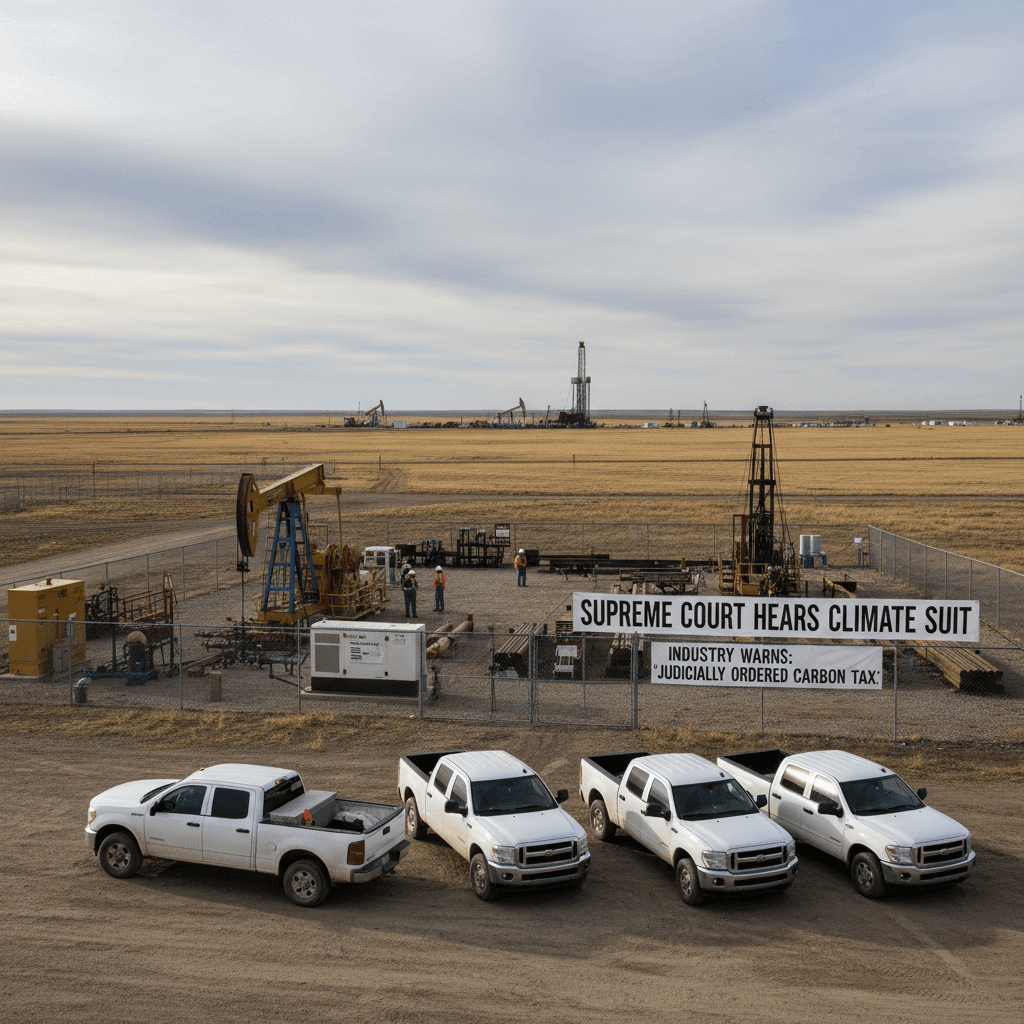
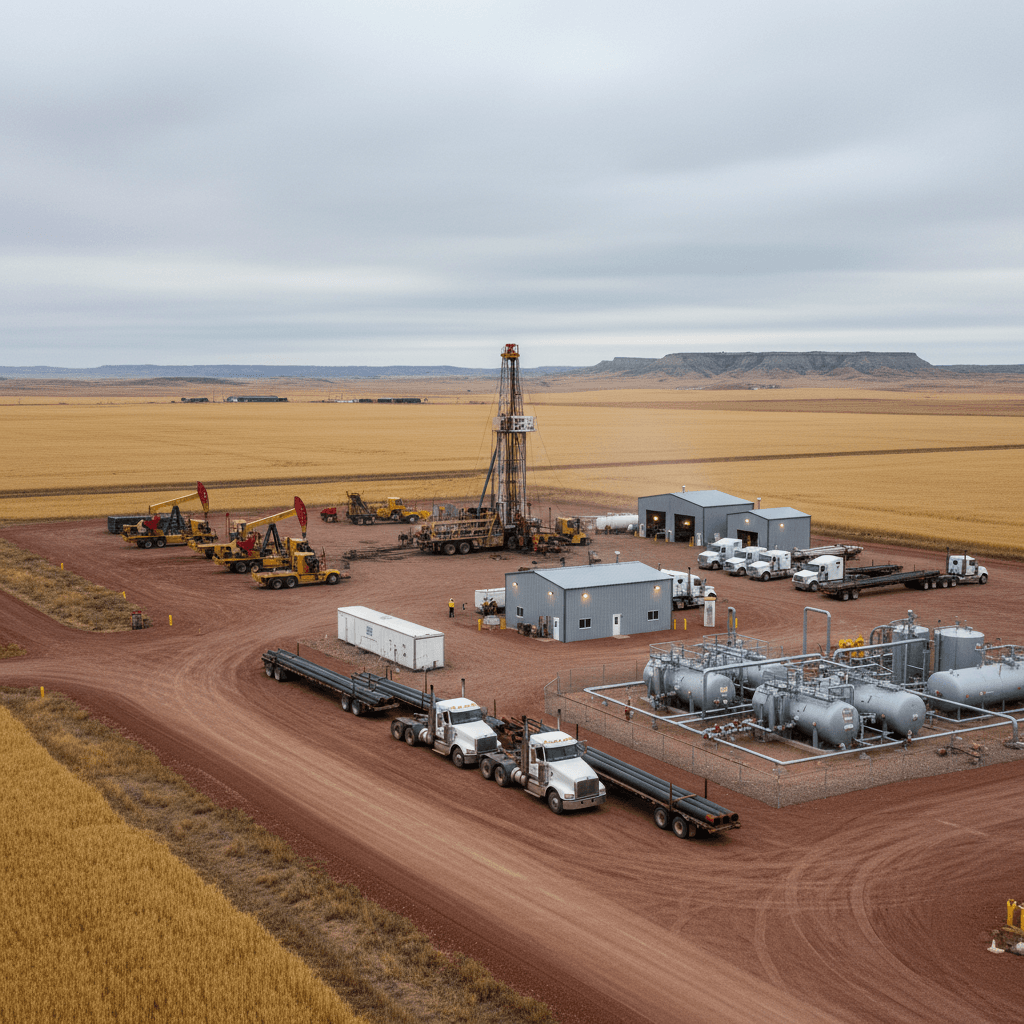
For North Dakota operators, the key takeaway is a market increasingly dictated by geopolitical flashpoints and automated trading. With the Strait of Hormuz closed and a U.S. naval blockade on Iranian ports in place since April 13, the premium for secure, non-OPEC supply like Bakken crude remains, but is subject to sharp swings as seen this week. The record U.S. export figures demonstrate the global call for American barrels, a demand that Bakken producers are positioned to help meet.
Source
According to Rigzone and OilPrice.com.