Global LPG Supply Shift, China's Central Asia Push Create New Bakken Dynamics
Strait of Hormuz closure elevates U.S. LPG exports as China deepens economic ties in key energy-transit region.
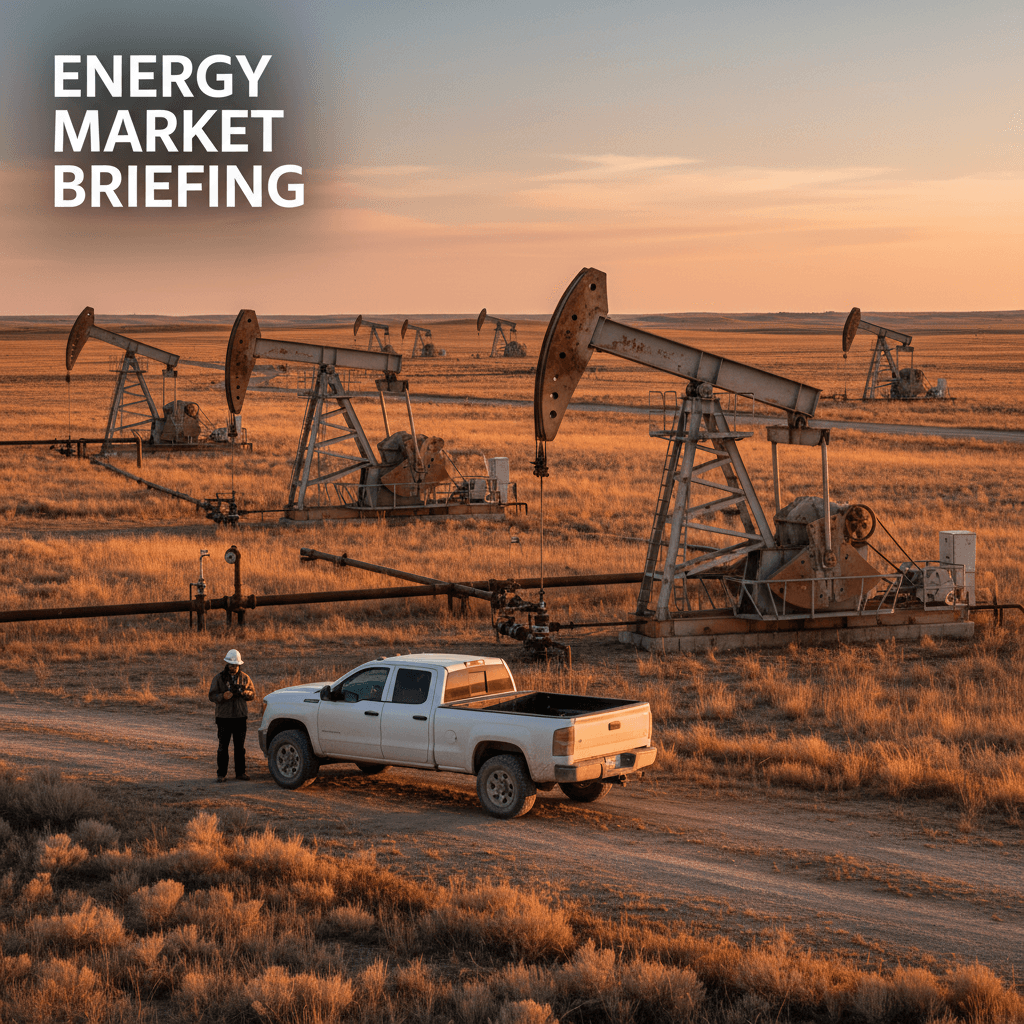
The effective closure of the Strait of Hormuz is reshaping global energy trade, creating a direct opportunity for U.S. liquefied petroleum gas (LPG) exporters, a sector underpinned by shale production from regions like the Bakken. According to OilPrice.com, the choke point's closure has significantly slowed LPG exports from major Middle Eastern suppliers like Saudi Arabia, the UAE, and Qatar.
This disruption has tightened global supply and driven up prices. During the height of the conflict in early March, propane prices from the Texas Gulf Coast rose by almost 10%, and by mid-June, the cost per gallon was up roughly 25% from pre-war prices in February, OilPrice.com reported. The crisis underscores the market advantage for U.S. exports, which face lower risk and potentially lower insurance costs compared to shipments from the Arab Gulf.
The United States is the world's leading LPG producer and exporter, a status achieved through the shale revolution. Analysts project steady market expansion, with propane volumes increasing to over 213 million metric tons in 2026. Asia is absorbing an oversupply, with India notably shifting its LPG imports from the Middle East toward American propane, according to the report.
Simultaneously, China is accelerating its economic integration across Central Asia, a region critical to overland energy corridors. OilPrice.com reported that bilateral trade between China and Uzbekistan reached between $7.7 billion and $8.9 billion in the first half of 2026, far surpassing trade with Russia. The number of Chinese businesses in Uzbekistan has almost doubled since 2024 to 6,060, many in energy and mining.
In Kazakhstan, China is deepening financial ties with plans to connect payment systems and launch pilot settlements between digital currencies. The two nations have also launched a joint international laboratory focused on biological security and research, the report stated.
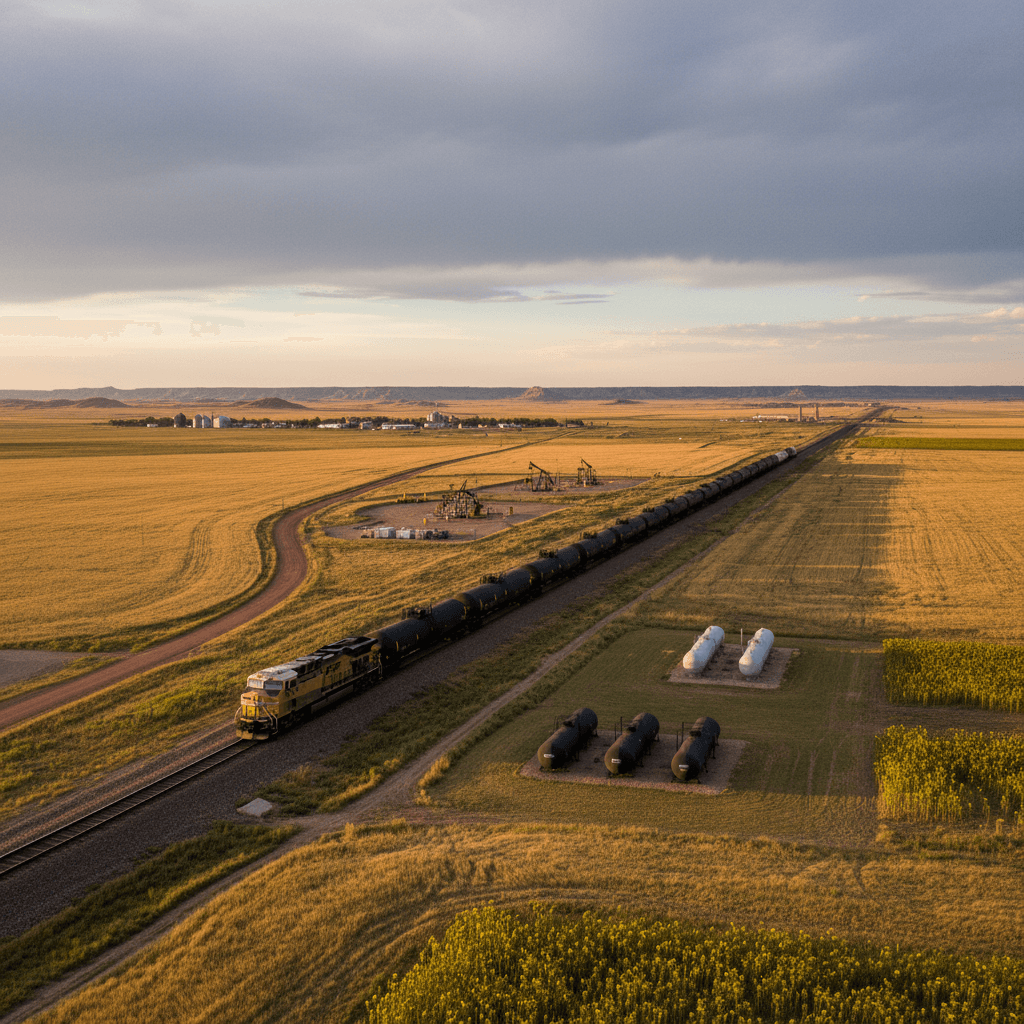
For Bakken operators, these parallel developments highlight a favorable shift in global LPG demand toward secure U.S. supply chains, potentially supporting stronger natural gas liquids (NGL) pricing. Furthermore, China's growing economic dominance in Central Asia could influence future energy infrastructure and trade routes that connect Eurasian markets, indirectly affecting long-term global commodity flows that North Dakota's exports compete within.
Source
According to reports from OilPrice.com published August 5, 2026.