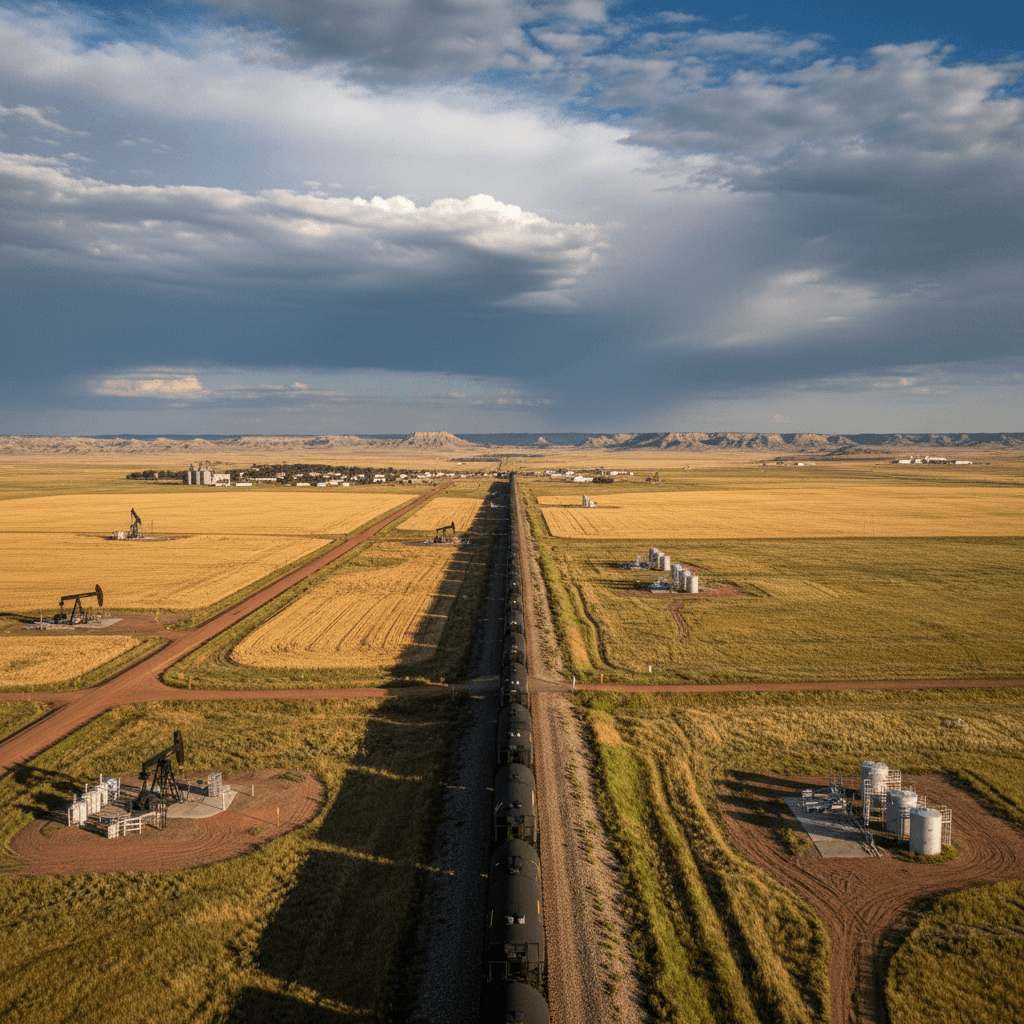
Global Market Moves Highlight Supply, Geopolitical Factors for Bakken
Long-term LNG deal, Russian subsidies, and China's Strait of Hormuz stance underscore external pressures on oil and gas.
Global energy developments over the past several days highlight factors that can influence the market for Bakken crude and natural gas, according to wire service reports. These moves underscore the interconnected nature of supply, policy, and trade routes that North Dakota producers navigate.
Australian energy company Santos secured a 10-year deal to supply gas to South Australia, Rigzone reported on July 5. The agreement supports a state strategic gas reserve aimed at industrial energy security, including for a steelworks transformation project. While a Pacific Basin transaction, such long-term supply pacts can reinforce global LNG market stability, a factor for associated gas production in the Bakken.
Separately, Russian subsidy payouts to domestic oil refiners jumped more than six-fold in June compared to a year earlier, according to a July 4 Rigzone report. This state intervention aims to keep local fuel supplies steady but can indirectly support continued Russian crude oil exports by incentivizing refining. Sustained Russian exports contribute to global supply, a key variable for the international oil price benchmarks that Bakken crude prices track.
On the geopolitical front, China has called for the unhindered flow of shipping through the Strait of Hormuz, Rigzone reported on July 3. The strait is a critical chokepoint for global seaborne oil trade. Advocacy for "unimpeded passage" by a major importer like China reflects ongoing concerns over potential supply disruptions. Any significant closure or attack in the region typically triggers global price volatility, which directly impacts the revenue outlook for Bakken operators.
For Bakken stakeholders, these disparate reports collectively point to the external forces shaping their market. Long-term gas contracts affect global LNG sentiment, foreign subsidy policies influence crude supply levels, and the security of key maritime routes remains a persistent price risk. North Dakota's oil and gas fortunes remain tied to these broader international dynamics of supply, state intervention, and logistical security.
Source
Rigzone (Santos deal, July 5, 2026); Rigzone (Russia subsidies, July 4, 2026); Rigzone (China Hormuz, July 3, 2026)

